










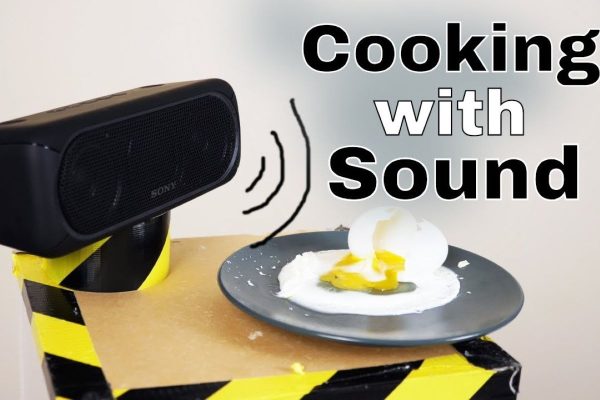
The banner of an explainer video on the science behind cooking with sound waves

Cooking With Sound Waves: Can Sonic Energy Really Change Food?

When you hear about cooking, it is usually associated with heat, fire, steam, and ovens. Raising the temperature to transform raw agricultural produce into a more edible, tastier form. For microwave ovens, reheating already prepared meals. However, food technology researchers are already seeing practical potential in the use of an uncommon energy form. The innovative…
Read More
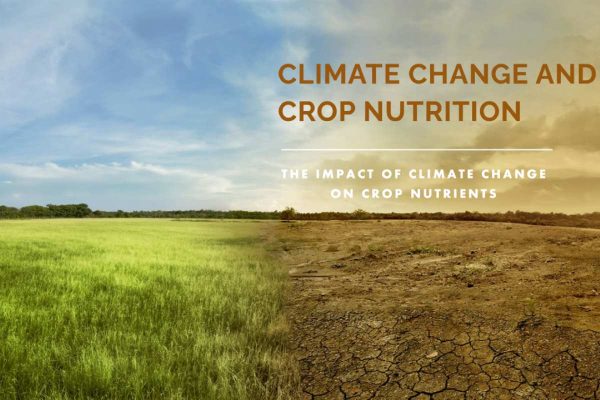
Climate Change and Crop Nutrition

Climate Stress Is Changing What’s in Our Food — Not Just How Much We Grow

Planting seasons are changing rapidly, but stakeholders seldom connect the dots between climate change and crop nutrition. The focus is more often on maintaining or improving the year-on-year yield of each cultivated hectare. So far, the harvest volume is good on paper; it somehow becomes acceptable to sweep the nutritional decline under the carpet.  In…

Read More
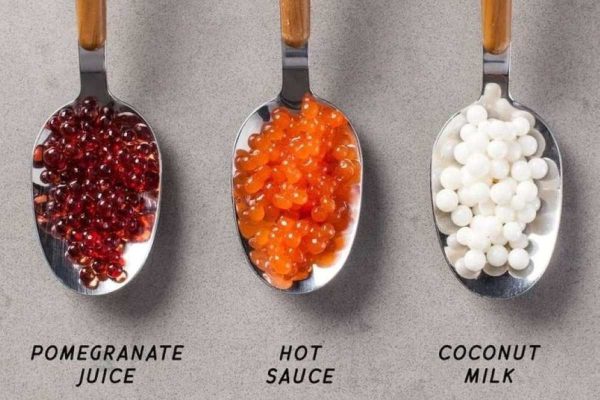
Encapsulated juices on spoons

Hydrocolloids at Home: The Science Behind Thickeners, Gels, and Foams

Hydrocolloids may be the key to the differences between a dish ordered at a restaurant and one made at home. Obviously, restaurants hire chefs, and these professionals are great at combining the right ingredients to achieve excellent culinary outcomes. So, the knowledge of texture engineering is one of the chief reasons restaurant-bought meals seem better…

Read More
Woman choosing frozen product in supermarket

The Truth About ‘High-Protein’ Labels: What Food Science Really Says

Scan an average grocery store aisle, and you are likely to encounter several acclaimed ‘high-protein foods.’  Cookies, cereals, energy bars, name it, now have some form of protein claim on their labels. This new trend raises questions about the reliability of protein content claims on food labels.  Consumers who gravitate towards protein claims on food…

Read More