









“Is there such a thing as the carbon footprint of breakfast?” you probably wondered upon reading this article’s headline. Well, breakfast is not exempt from the discussion of food emissions. Indeed, breakfast is considered the most important meal of the day, and has become the birthplace of many food rituals.
Of course, the carbon footprint of a single serving of breakfast is way too insignificant to trigger a climate catastrophe. However, the everyday climate choices of even low-emission foods add up in the long run.
So, no one is putting your breakfast choices on a blacklist here. On the contrary, this piece will help readers make sustainable breakfast choices. Read on to find out if your routine breakfast dishes are culpable, and how to improve on them.
What Does “Carbon Footprint” Mean in Food?
The carbon footprint of food can best be understood through the lens of life cycle assessment. Life Cycle Assessment is a combination of studies that analyze the environmental impact of food throughout its journey from farm to bin. In mugglespeak, the carbon footprint of food encompasses monitoring emissions during food production, processing, logistics, consumption and even waste handling.
When people and organizations finally open up to the idea of sustainable diets, they may fall into the trap of vague analysis. This involves assessing the environmental impact of a meal using a single factor, like source or food miles. Meanwhile, multiple factors go into generating food climate impact data and conclusions. Below are some highlights that could help determine the carbon footprint of breakfast and other meals:
Methods and Intensity of Production
Differences in crop cultivation methods and animal husbandry techniques in food production may cause variations in food emissions. Several studies have established that there are massive differences between food produced conventionally and that produced using regenerative farming techniques.
Environmental Changes Triggered By Land Use
Some new farms leave environmental carnage during setup, increasing the food’s carbon footprint. Even when such farms try to amend the devastation they caused through sustainable practices, it may not be commensurate with the damage done. For instance, if a strategic greenery, mangrove or forest is destroyed to make way for agricultural land, it may influence the food emissions of crops produced thereupon.
Food Type
Sustainable experts suggest that animal-based foods generally come with a relatively higher carbon land and water footprint than plant-based foods. So, the meat vs plant footprint debate affirms that it is more sustainable to obtain essential nutrients from plant sources than animal sources.
Location of Production
Strawberries are native to the temperate regions of the global North. However, some farmers cultivate the same fruit in hilly and cooler regions of the tropics. Certainly, the carbon footprint of a plant cultivated in a region that requires several interventions would be higher than one grown in its native habitat.
Waste Generation
In a 2025 Nature publication, the authors suggest that only about one in five of all life cycle assessments considers the waste generated during food production. Consequently, the estimates of food emissions are often downplayed.
Logistics and Transportation
The literal journey of food from farm to fork contributes to its footprint. While food logistics may not produce as many emissions as production activities, it still makes the footprint of products vary significantly.
ALSO READ: Are Your “Eco-Friendly” Groceries Really Sustainable? Here’s How to Tell
High-Carbon Breakfast Staples
You’ve probably had a sandwich for breakfast more times than you can remember. All the food items considered in this section feature regularly in sandwiches and similar breakfasts, and are notorious for having high carbon footprints.
- Bacon and sausages
- Dairy milk
- Butter and cheese
- Highly processed packaged cereals
A glance reveals that animal-based food items dominate the preceding list. This is because animal products contribute to over 15% of global carbon emissions. Animals produce more greenhouse gases (GHGs) than plants; keeping animals requires more land than plant cultivation; and plants are more efficient in converting agricultural inputs to food than animals. So, briefly assess your morning food ritual and try to remember which of the listed food items always find their way into your breakfast.
The question here is not whether the carbon footprint of breakfast makes the meal healthy. No, it is a question of identifying whether your meals qualify you as an advocate of sustainable diets.
Bacon and sausages are red meats; however, cattle have been established to be a higher source of carbon emissions than pigs. Why? Cattle are ruminant animals, and their diet (largely grass) is composted in their stomach and gives off methane gas as a byproduct. In contrast, pigs have a complex digestive system, similar to that of humans. So, they’re omnivores, and their bodies are more efficient with ingested food.
Milk, cheese, and butter are all dairy products, mostly gotten from cows. A lot has already been said about the food climate impact of products from cattle.
Baked foods and confectionery that use a lot of butter contribute to the breakfast environmental impact, thanks to dairy emissions. Some packaged cereal products are ultra-processed, and the emissions that accompany their production make them high-carbon.
Low-Carbon Breakfast Foods
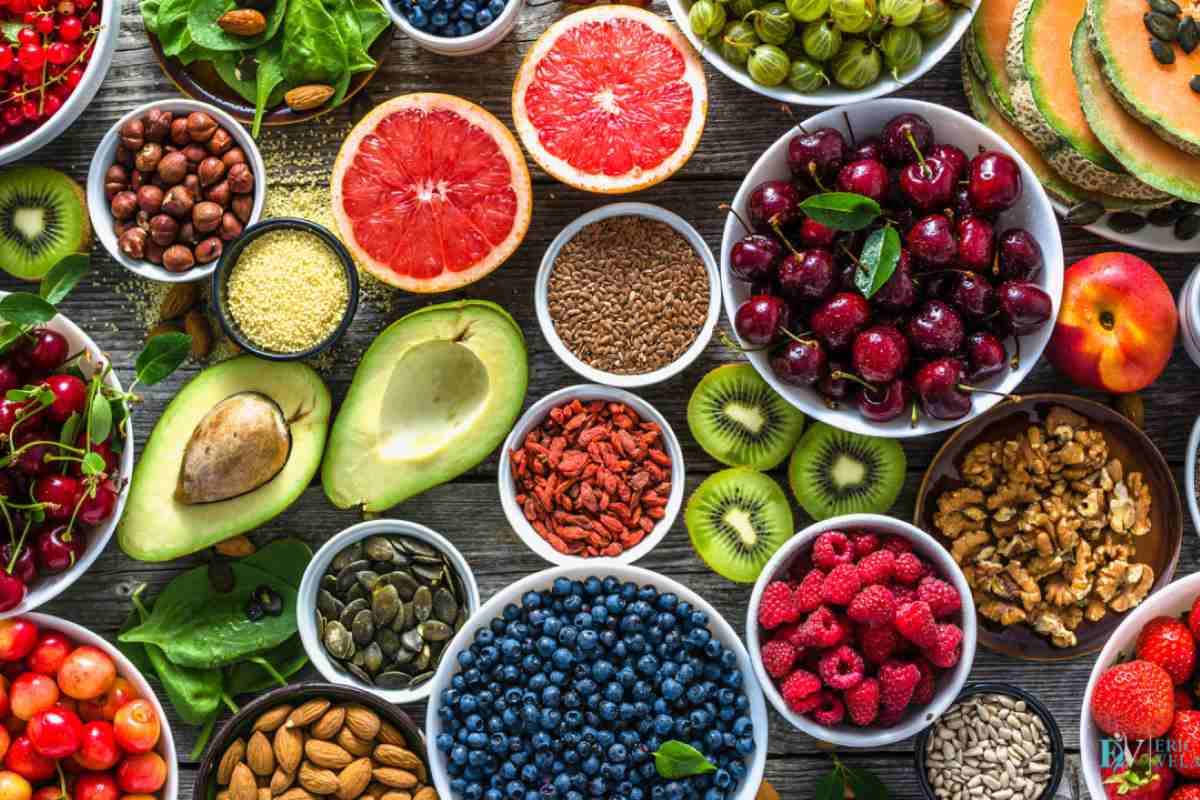
Upon scrutiny, you will find that most low-carbon foods have some things in common. One commonality is that they are largely plant-based, so embracing them could mean settling for a plant-based breakfast.
Here is a list of food items that could reduce the carbon footprint of breakfast significantly:
- Oats, grains, legumes
- Fruits
- Plant-based milks and spreads
- Smoothies
- Eggs
Oats, grains and legumes can be the base of a climate-friendly breakfast. Fruits serve as dessert, and plant-based milks, spreads, and eggs serve as accompaniment. Indeed, none of these food items can provide a balanced supply of essential nutrients. For instance, you can leave for the office with an all-plant smoothie, made with locally sourced cereals, fruits, veggies, and plant-based milk, in your vacuum-insulated mug.
Eggs are animal-based and made it to the low-emission foods list because of their relatively low footprint. There’s a nuance that needs to be thrashed out about these so-called plant-based breakfasts. The breakfast’s food miles have to be low; a plant-based breakfast loses its badge of honor if all the ingredients were imported. So, the debate transcends meat vs plant footprint, but the food miles and other factors discussed in previous sections equally matter.
Cultural Breakfasts and Carbon Trade-Offs
From a consumer’s perspective, the carbon footprint of breakfast varies across cultural lines. For instance, what an American may consider a good breakfast may come off as extreme for a Turk.
Some cultures prefer protein-heavy breakfasts; it is a food ritual they follow religiously. The breakfast environmental impact for such a culture would vary significantly from that of cultures that gravitate towards staple-based traditions.
Some cultures may struggle to find plant-based alternatives to their fat-rich and protein-heavy, flavorful relishes. So, eco-friendly breakfast recommendations may have to be taken with a pinch of salt. Understand what allowances your culinary culture permits, and implement changes that encourage healthy everyday climate choices.
Making a Lower-Carbon Breakfast (Without Radical Change)
Not forgetting that the environmental impact of breakfast varies across cultures, this section provides recommendations on reducing the carbon footprint of meals.
1. Ingredient Swaps
Reduce the carbon footprint of breakfast by swapping animal-based protein for protein-dense meals. For instance, replace beef with white meat (chicken or turkey) if chewy proteins are non-negotiable. If meat can be done away with entirely, replace it with protein-rich staples like lentils, beans, mushroom, nuts, seeds, or their fermented variants (Tofu/Seitan). Reduce dairy emissions by replacing dairy milk with almond, oat, or soy milk. Also, consider experimenting with an avocado spread in place of butter or mayo.
2. Portion Adjustment
Portion control can be an effective tool for making your breakfast eco-friendly. If your morning routine involves having breakfast at a local Starbucks, packing some of the food to go can help cut waste. When having your meal at home or packing for the office, avoid dispensing sauces directly onto the plate. Instead, place it in a side dish. Also, consider using smaller dishes for serving meals at home if you work from home. If you have to report to a physical office and breakfast is the only reasonable meal you’ll have throughout the day, please load up.
3. Batch Prep and Waste Reduction
Your emergency food stockpile is not the only stash in the home that requires meticulous planning. Plan each meal accordingly and make bulk purchases of groceries that enjoy seamless thoroughfare in the home. Visiting the grocery store before each meal also contributes a fair share to your carbon footprint.
ALSO READ: Superfoods or Super Strain? The True Eco Impact of Global Superfood Trends
Does a Sustainable Breakfast Mean a Less Nutritious One?
Do you have to replace the steaks or bacon in your breakfast with mushrooms? Does sidestepping the carbon footprint of breakfast have to result in a compromise on nutrient quality? These are some of the questions that this section will address.
It would be an outright delusion to claim that switching a familiar food with a strange one is easy. Humans are creatures of habit and naturally tend towards familiar things, food inclusive. That the new alternative ingredient is more nutritious or climate-friendly is often inconsequential. So, here’s the disclaimer: you will need to go through a season of acclamatization when opting for an eco-friendly breakfast.
However, reducing the carbon footprint of breakfast does not have to be at the expense of nutrients. Indeed, meals may become more nutritionally balanced when you switch to sustainable diets, rich in plant-based ingredients.
There are myths suggesting sustainable alternatives cannot supply as much protein as meat or seafood. Indeed, sustainable plant-based, or plant-rich, diets can supply as many nutrients as you need. The only problem is that you may need to consume bigger portions of plant-based meals to get the same amount of protein in a single serving of Summer BBQ. Another merit of plant-based foods is that they are often rich in fiber and micronutrients.
Key Takeaway
A one-time adjustment does not wipe out the carbon footprint of breakfast; it takes cumulative effort. So, it’s a matter of being intentional with your everyday climate choices. In addition, no meal is perfectly climate-friendly, so save yourself the headache of trying to be spot on. Albeit, if you’re an organization, it is necessary to set concrete benchmarks that reflect your commitment to environmental sustainability goals (ESG). Finally, awareness is very important. Every standing edifice was once an intangible concept in an architect’s mind.