








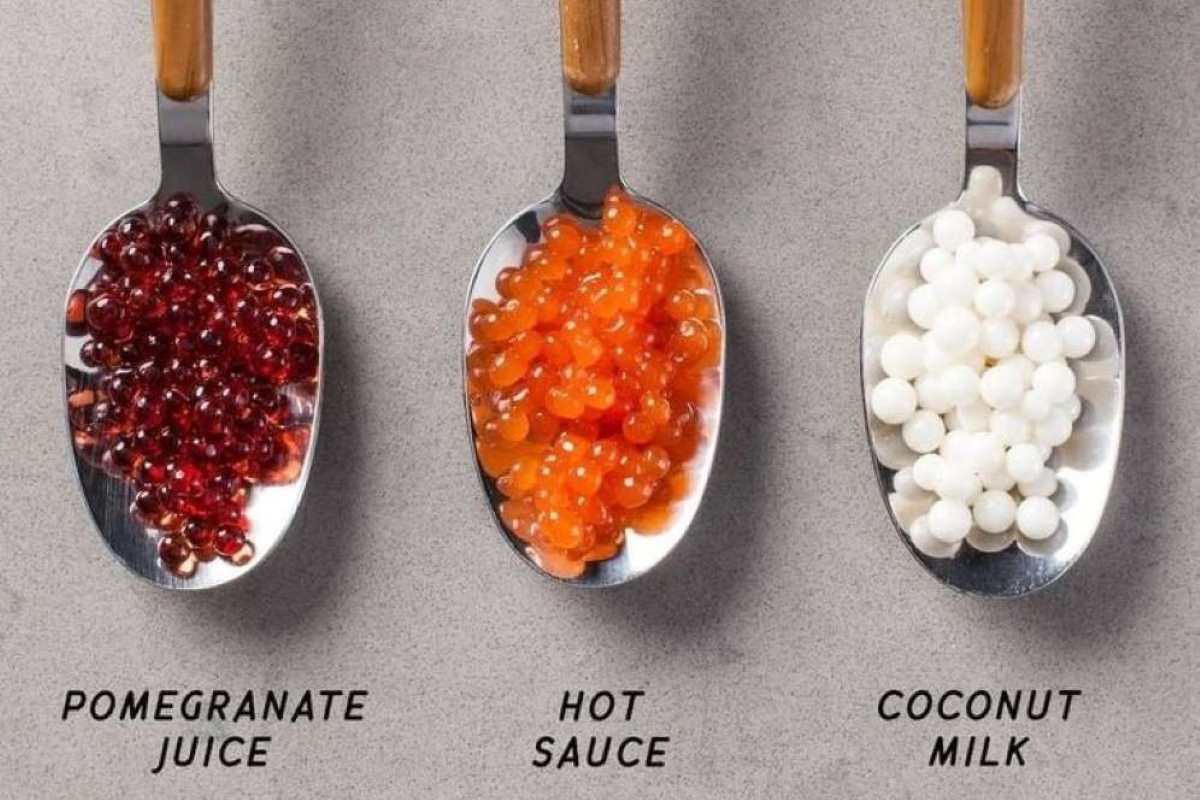
Hydrocolloids may be the key to the differences between a dish ordered at a restaurant and one made at home. Obviously, restaurants hire chefs, and these professionals are great at combining the right ingredients to achieve excellent culinary outcomes. So, the knowledge of texture engineering is one of the chief reasons restaurant-bought meals seem better prepared than homemade variants.
The texture, thickness and build of salad dressings, desserts, sauces and some snacks would be impossible without gelling agents. Understanding food texture science also involves being able to predictably manipulate ingredients’ rheology.
This piece will help you demystify hydrocolloids and make food texture science accessible to home cooks. Soon enough, understanding how gelling agents behave in cooking could make your meals as good as those served in high-end restaurants.
What Are Hydrocolloids, Exactly?
The ‘hydro’ in the term hydrocolloids hints that materials in this category have something to do with water. Hydrocolloids, or gelling agents, are substances with long molecular chains and excellent water-binding properties. They could be either long-chain proteins or carbohydrates. However, mixing a hydrocolloid with water often results in the formation of gels, viscous, or pliable solutions.
Classification of Gelling Agents by Source
Food ingredients for texture modification are sometimes classified by their origins and sources. The following are the common classifications of gelling agents and common examples.
- Microbial Sources: These gelling agents are usually products of microbial fermentation. Examples are gellan gum and xanthan gum.
- Animal Sources: Gelling agents in this category are usually extracted during animal processing. For instance, boiling the connecting tissues, bones and skin of animals often yields gelatin, a popular food hydrocolloid. Likewise, chitosan or chitin is often collected from the exoskeleton of crustaceans like crabs and shrimps.
- Plant Sources: Gelling agents in plants mostly manifest as polysaccharides. Tamarind seed gum, locust bean gum and guar gum are all from plant seeds. Meanwhile, karaya gum, taragacanth, and gum Arabic are all products of sap from different trees. Also, some fruits and vegetables produce pectins, which could be selectively processed into a hydrocolloid.
- Marine Sources: Alginate, carrageenan, and agar are all gelling agents extracted from seaweed.
- Synthetic Sources: Sometimes, natural materials with poor gelling properties (rheology and viscosity) may be artificially modified. The gelling agents produced from such processes automatically become synthetic. For instance, the fibrous portion (cellulose) of some plants can be processed into gelling agents. However, it undergoes rigorous physical and chemical modification before exhibiting the desired gelling properties.
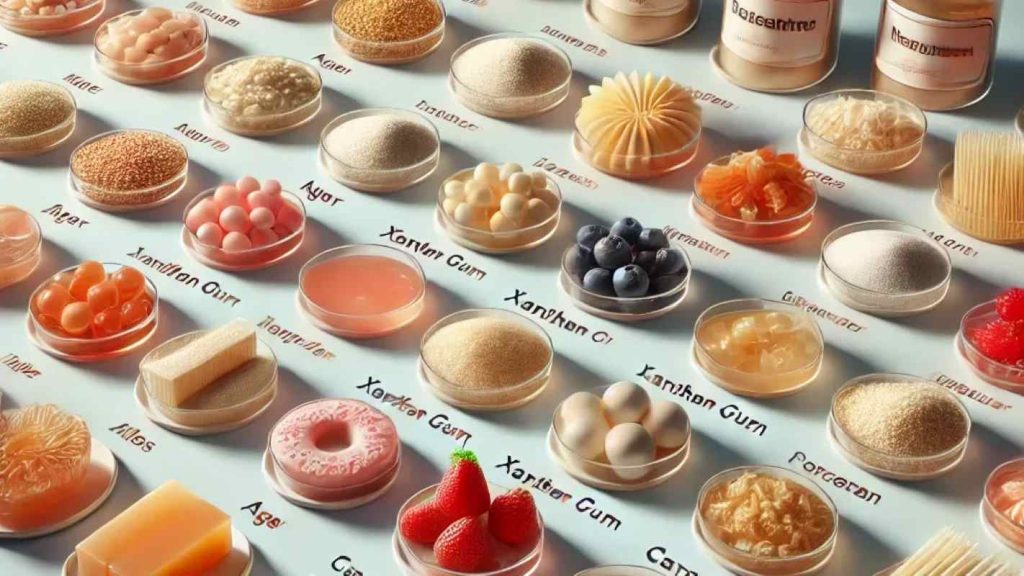
Role of Gelling Agents in Texture Modification
Gelling agents serve one of many purposes in food texture science. Some gelling agents serve as food thickeners. This involves increasing food viscosity, even when added at very low percentages. Some gelling agents are used to build rigid but flexible structures in food. Pectin is a good example in this niche as it is commonly used in jams and jellies. According to researchers at India’s Central Food Technological Research Institute, hydrocolloids could also serve as emulsification agents. This means they can effectively stabilize and bind food ingredients together.
ALSO READ: The Truth About ‘High-Protein’ Labels: What Food Science Really Says
Common Hydrocolloids You Can Use at Home
Some gelling agents may be difficult to source. However, there are a handful that you can easily get from your neighborhood store and experiment with at home. Below are a couple of these common gelling agents, and what use you can put them to.
Pectin
This is a natural gelling agent usually extracted from the core and rind of some fruits. Pectin is prominently produced from apples and citrus. Buy some pectin during your next visit to the store. Some fruits, like strawberries, don’t form jams and fruit gels easily. Adding some pectin could save the day the next time you’re making jellies for your kids.
Guar gum
Guar gum is one of those food thickeners that does not require heat to trigger its rheology-transforming properties. When making dairy-free ice cream, the mix may not develop the customary build as desired. Simply add about half a teaspoon of guar gum to about 1 liter of the mix. You can also use this water-binding thickener in salad dressings and smoothies.
Gelatin
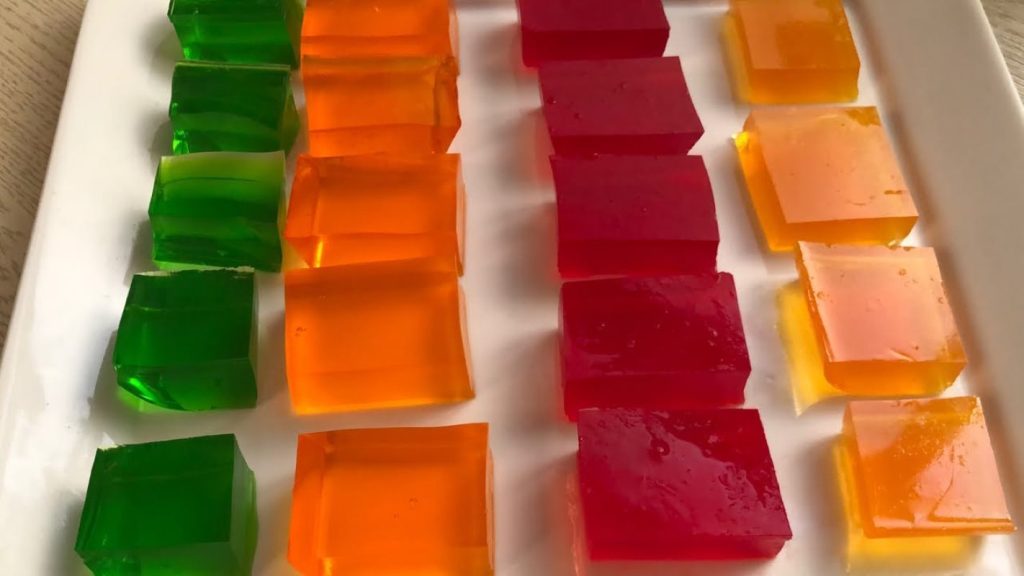
Gelatin is another cold-thickening gelling agent that confers plasticity and elastic properties on cold food blends. However, it requires warm water for the initial dissolution. Gelatin makes gel formation a story that can be retold through its thermo-reversible property. This means it melts when exposed to heat and sets again upon cooling. At home, your whipped creams, aspics, jellies, mousse, and panna cotta enjoy building with some gelatin intervention.
Agar Agar
Agar agar cooking has similar use cases as gelatin. It will set at room temperature and requires slightly more heat, for activation, than gelatin. However, agar agar is not stretchy like gelatin, leaving the food slightly brittle. While the texture of this gelling agent may seem like a drawback, it’s usually perfect for foods like gummies, cheesecake, and jams. Also, since agar agar is wholly derived from seaweed, it’s perfect for vegan jellies.
Xanthan Gum
Next time you’re preparing some sauce or pastries, and find it not as thick as you want, a little xanthan gum could come to the rescue. Some xanthan gum uses involve deploying this gelling agent as a texture modifier in gluten-free cookies. One of the chief merits of xanthan gum in cooking is its instant thickening ability. For instance, its gel formation starts as soon as it touches water. So, you can gauge the thickness of your dish on the fly.
How Gelling Agents Work
How hydrocolloid cooking brings about interesting transformations during meal preparation produces a combination of phenomena that shall be briefly discussed in this section. It is noteworthy that not all gelling agents possess properties that this section spotlights.
Water-binding ability of gelling agents
The affinity of gelling agents with water makes them perfect ingredients for thickening food mixes. The interlinks which these hydrophilic (water-loving) polymers form in mixtures make them regular suspects in food texture science.
Chain linking for network formation
Have you seen scaffolding on a construction site? Usually, the strength and reliability of construction scaffolding depend on the number of joints holding the structure together. A similar logic applies to food texture modification, gel formation, and rheology manipulation. Various cross-linking mechanisms make gelling agents great food scaffoldings.
Shear-thinning adaptability of some gelling agents
Shear thinning occurs when a gel-like food material loses its viscosity under shear stress. For instance, egg yolk loses its seeming thickness during whipping. However, studies in modern food chemistry establish that certain gelling agents could help food materials regain their consistency, even after rigorous processing. Carrageenan and xanthan gum are great examples of polysaccharides in this category.
Temperature effects
Most gelling agents exhibit shear-thinning properties. From a temperature perspective, this often means the food loses viscosity as it heats up, and sets back with the removal of thermal energy.
Cold-set gelation involves hydrocolloid cooking that does not require an increase in thermal energy. Such food mixes often lose their gel structure thanks to heat exposure. The reverse happens during heat-set gelation. The gelling agent requires heat to set, and the gel network often breaks down upon cooling. Cellulose-based gelling agents, like starch, usually exhibit heat-set gelation.
What Hydrocolloids Are Good For in Home Cooking
If you’re still wondering what good gelling agents are in home cooking, the short list that follows will help spotlight their relevance.
- Smooth Sauces: Some folks have tried making sauces at home. Many reverted to store-bought variants due to the undesirable outcomes of DIY food science experiments. Next time, try a quick online search on compatible gelling agents you could use with the sauce.
- Salad dressings: There are innumerable how-to videos on DIY mayonnaise recipes using ingredients you can easily find in your kitchen. What many of these explainers forget to point out is that nailing the right proportion of ingredients can be quite tricky. So, where you failed previously, a hydrocolloid can cover the emulsification lapses and stabilize your mixture of cooking oil, egg yolk, and spices.
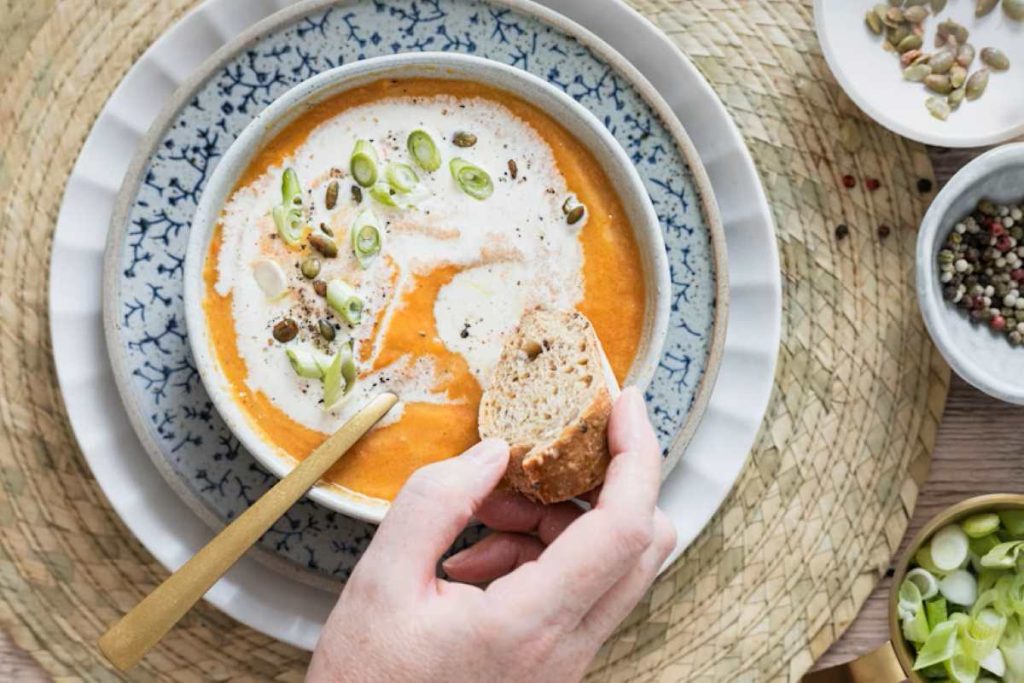
- Foams: Foams are usually mixtures of air and liquid, finely mixed to form interconnected bubble-like cells. In combination with the appropriate tools, it is possible to further stabilize homemade edible foams by adding some gelling agent to the liquid fragment before mixing.
- Vegan desserts: Eggs, butter, milk, and other animal-based ingredients are regular suspects in common desserts. However, vegan diets are getting popular and plant-based gelling agents can make up for the creamy and textural trade-offs.
- Gluten-free baking support: Gluten is the major reason why wheat flour is preferred in pastries. However, folks who want their confectionery free of gluten will lose the rubbery texture of dough or batter, of wheat flour. Nonetheless, you can use gluten-free flour, like sorghum flour, and add a hydrocolloid like xanthan to make the dough pliable.
Common DIY Hydrocolloid Mistakes and How to Avoid Them
As good as gelling agents can make the prospects of DIY molecular gastronomy, there are some pitfalls you want to avoid. Discover the most common hydrocolloid mistakes of DIY food science in this section.
Mixing incompatible hydrocolloids
When using multiple gelling agents in a food mix, it’s essential to find out if they go together. Likewise, some food items can be very harsh on viscosity-improving ingredients. For instance, endeavor to adjust the pH in acidic foods, like dairy and juices, before adding gelling agents to them. Also, avoid using heavy water during emulsification to prevent early gelling (pre-gelation).
Incorrect handling temperature
Proper dissolution of the gelling agent, its viscosity and gel strength rely on activation temperature. This is the temperature at which a manufacturer recommends a hydrocolloid should be hydrated. So, always refer to the hydrocolloid package for this information.
Poor dispersion
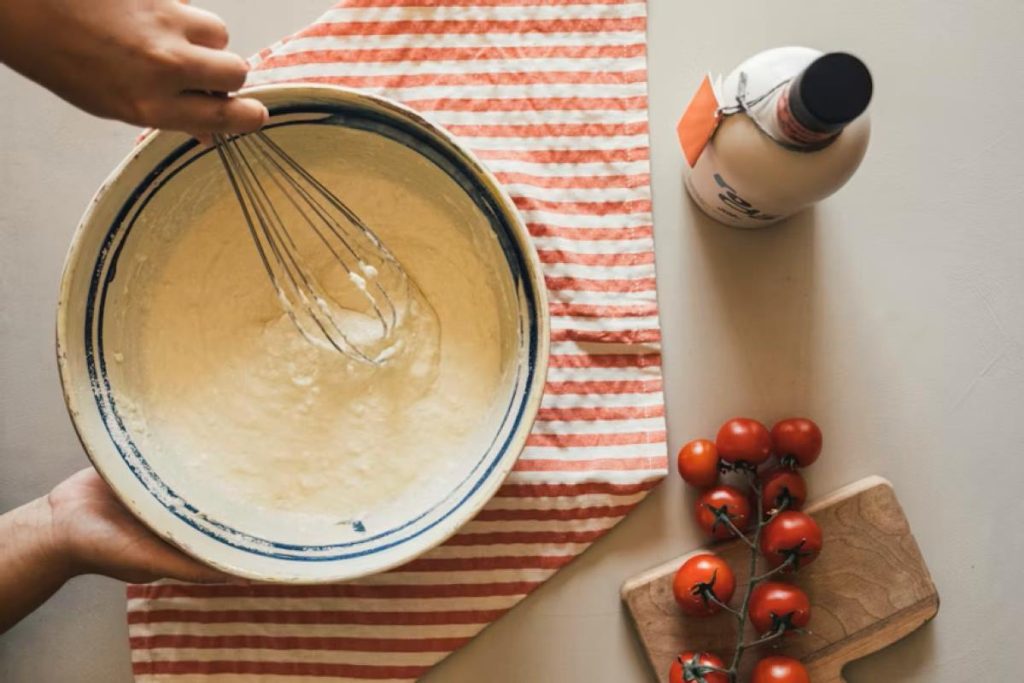
Gels develop clumps during hydration when the finely divided substance does not disperse properly. Meanwhile, the gelling agent is just one of the ingredients in food texture science, but it may affect the final quality of the product.
Overuse of gelling agents
An overdose of most gelling agents may result in food developing undesirable sensory properties. Imagine snacking on a heavily slimy energy bar. Serving such food to guests may send the wrong signal about eating spoiled dessert. So, always keep the use case of these gelling agents within recommended proportions.
ALSO READ: From Natural Pigments to Edible Dyes: The Science Coloring Our Food
Safety, Labeling, and Digestive Considerations
It is important to note that not all hydrocolloids are natural. However, these food additives are generally regarded as safe (GRAS). Indeed, some gelling agents are good sources of soluble dietary fibres. In Europe, some gelling agents approved for use in food, and their label codes, are:
- Gelatin (INS 441)
- Cellulose Derivatives (E460-E469)
- Pectin (E440)
- Fella Gum (E418)
- Xanthan Gum (E415)
- Konjac Mannan (E425)
- Tara Gum (E417)
- Gum Karaya (E416)
- Gum Tragacanth (E413)
- Gum Arabic (E414)
- Locust Bean Gum (E410)
- Guar Gum (E412)
- Carrageenan (E407)
- Alginates (E400-E405)
- Agar (E406)
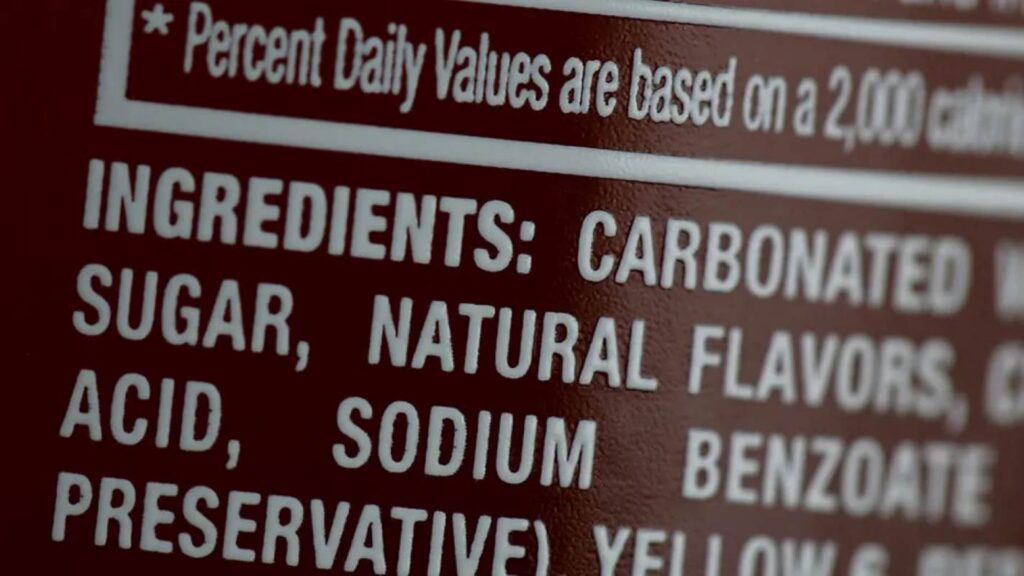
The few gums, thickeners, and stabilizers that cause gastrointestinal discomfort only do so when used indiscriminately in food. Sensitivities and allergies are also rare. They only occur when a gelling agent is sourced from a food material to which the consumer is averse.
Key Takeaways
Hydrocolloids are not magical substances that change the alchemy of your homemade meals. Instead, they are just tools that help modify the textural properties of food. Folks who have a fine handle on the use of gelling agents can go beyond the realms of maintaining consistency. They could use these special ingredients for novel creations in their home kitchen. Finally, you don’t have to be a professional chef or a lab-coat-donning scientist to take advantage of the texture control that gelling agents provide.
ABOUT THE AUTHOR

Babatunde Olufemi is a food scientist, educator, and science-based food writer with academic and practical exposure to food processing, nutrition, food safety, and the global food industry. Through Quill of Grubs, he breaks down complex food science topics into clear, accessible explanations for everyday readers, students, and professionals.