







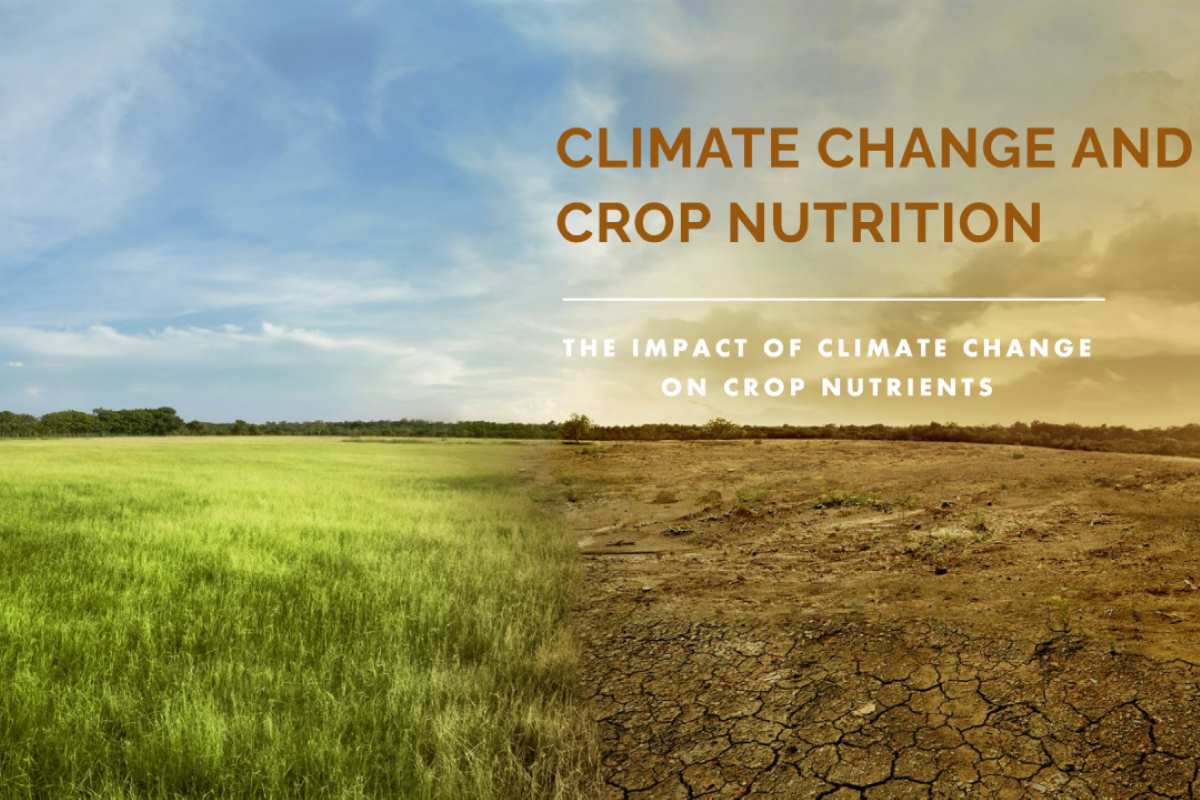
Planting seasons are changing rapidly, but stakeholders seldom connect the dots between climate change and crop nutrition. The focus is more often on maintaining or improving the year-on-year yield of each cultivated hectare. So far, the harvest volume is good on paper; it somehow becomes acceptable to sweep the nutritional decline under the carpet.
In reality, food crops that manage to survive the various stresses of climate change may experience nutritional declines. Looking all fresh and juicy on the surface, but a subtle victim of micronutrient dilution and other nutritional deficiencies.
This piece, therefore, emphasizes the unpopular truth that climate change is affecting not just food quantity but also nutrient quality. Expect to encounter research-backed claims about the links between drought-stressed crops and declines in crop nutrition.
What Is Climate Stress in Crops?
The interplay between climate change and crop nutrition occurs on multiple dimensions. So, it would be misleading to claim that regional deterioration of soil health, induced by climate change, alone is responsible for the decline in crop nutrient density. Instead, it would be more appropriate to assess the various factors causing climate stressors to deplete food crops nutritionally.
Climate stress often manifests in one or more forms. Interestingly, plants exhibit different physiological responses to each of these conditions.
Heat Stress
In agriculture, heat stress sets in when plants get exposed to unprecedented temperature spikes. There are several ways these heat gains affect plants and their crops. One, it reduces photosynthesis through stomata closure. The stomata are similar to human skin pores, and their closure, while intended to regulate heat build-up in the plant, reduces carbon dioxide intake. If the heat stress is prolonged, it inevitably stunts the plant’s growth. Also, heat-stressed plants struggle to flower and reproduce. Where the plant is already fruiting, heat stress could affect the quality and nutrient profile.
Drought Stress
Droughts, even without temperature spikes, tend to induce similar responses in plants as heat stress—stomata closure. During droughts, plants lack access to water. Drought-stressed crops consequently try to limit the volume of internal moisture they lose to the environment. This shot at self-preservation leads to a decline in crop nutrient buildup.
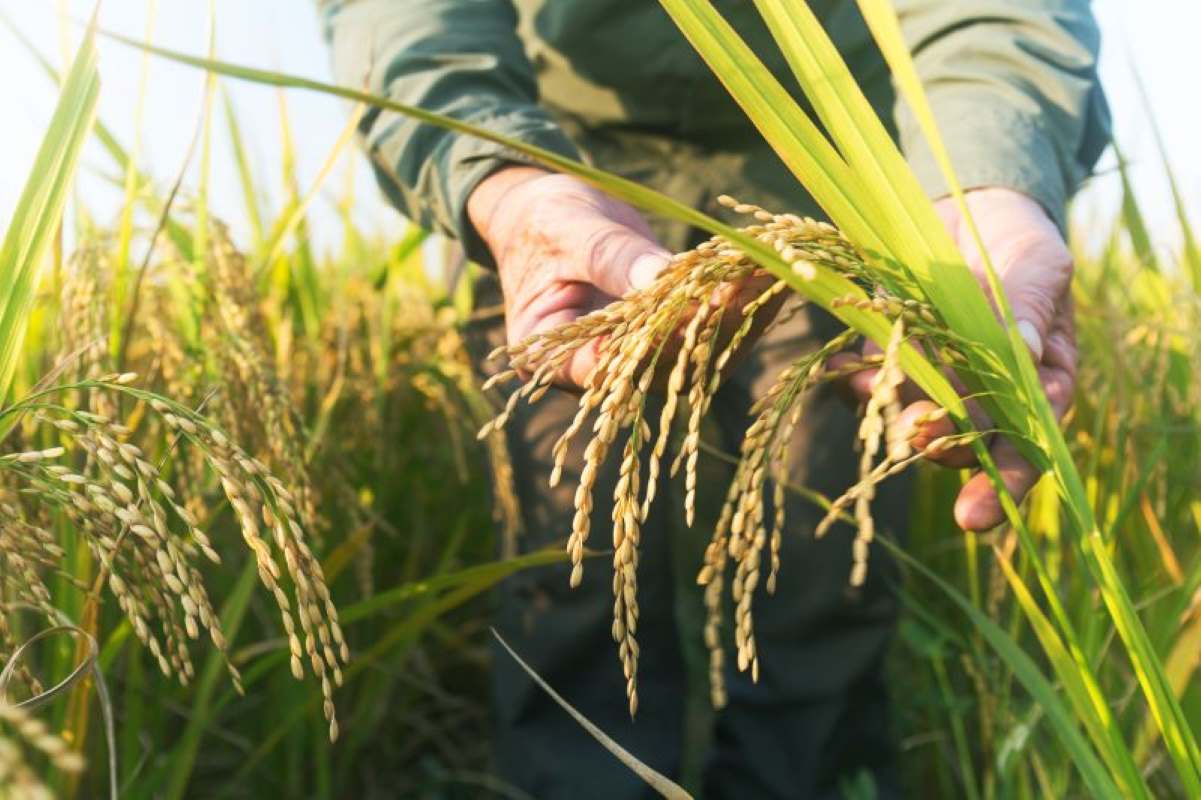
Flooding
Nutrient-dense agriculture and food security depend heavily on water availability and irrigation. However, when flooding makes water available to plants in more than necessary volumes, drawbacks are imminent.
The first obvious impact of flooding is leaching, which depletes soil health. The farm plot becomes waterlogged, and plant roots struggle to access oxygen for respiration. All these flooding dominoes ultimately weaken the plant, or at best, only reduce crop nutrient density.
Elevated atmospheric CO₂
Climate change is widely touted as increasing greenhouse gases in the atmosphere. In mugglespeak, this simply means the levels of gases like methane, CO₂, and water vapor in the atmosphere are rising above normal. While CO₂ is necessary for plant growth, elevated levels provide a masterclass on the negative food nutrition and climate change interplay.
Exposure of crops to elevated CO₂ levels has been established to increase carbohydrate production. The bad news is that this condition also reduces other essential nutrients like protein, iron, and zinc. Consequently, elevated CO₂ levels cause crops to gain more mass while experiencing macronutrient and micronutrient dilution. This is called the CO₂ fertilization effect.
Soil Degradation
Flooding is not the only phenomenon that negatively impacts soil health in agriculture. Activities like industrial pollution, deforestation, overgrazing, over-tillage, and monocropping may contribute to climate stress in agriculture. By extension, all these activities could cause soil compaction and nutrient loss. In some cases, the soil loses its nutrient bioavailability. This means nutrients are there in the soil, but not in a form usable by plants.
ALSO READ: Hydrocolloids at Home: The Science Behind Thickeners, Gels, and Foams
Which Nutrients Are Most at Risk?
The link between climate change and crop nutrition is not far-fetched. High-authority findings reveal that these two phenomena are directly related. For instance, a 2018 publication by the Environmental and Energy Study Institute highlights a Harvard study that provides evidence of climate change causing nutrient loss in crops.
According to recent cross-disciplinary research, iron, zinc, and protein are some of the most depleted nutrients in climate-stressed plants. Less prominent victims of the CO₂ fertilization effect are magnesium and certain vitamins.
The nutrient bioavailability studies on climate-stressed plants cited earlier focus on staple crops: rice, wheat, maize, sorghum, and soybean. Plant scientists discovered that environmental stressors particularly affect proteins and micronutrients. The global spike in atmospheric CO₂ is making nitrogen fixation and protein synthesis difficult for plants. Likewise, the condition makes crops struggle to absorb essential minerals and vitamins from the soil.
Can Farming Adapt to Protect Nutritional Quality?
Climate-smart nutrition and nutrient-dense agriculture are the panaceas that food security experts are recommending for food crops. However, these climate adaptation strategies are a swim against the tide, and require regionally tailored intervention for success. Now, you’ll get to explore some specific solutions that farmers are already deploying to side-step the injurious relationship between climate change and crop nutrition.
1. Adoption of Climate-resilient Crop Varieties
Agronomists and other researchers are already making giant strides with the development and deployment of climate-resilient crop varieties. Some of these new varieties have undergone research trials and are now commercially available. For instance, scientists from Nigeria’s Institute for Agricultural Research (IAR) at Ahmadu Bello University, Zaria, developed the TELA maize variety. This maize variety has gone commercial, is insect-resistant and drought-tolerant. Similarly, various research teams around the globe are developing new crop varieties to address the climate crisis peculiar to their region.
2. Soil Health Restoration
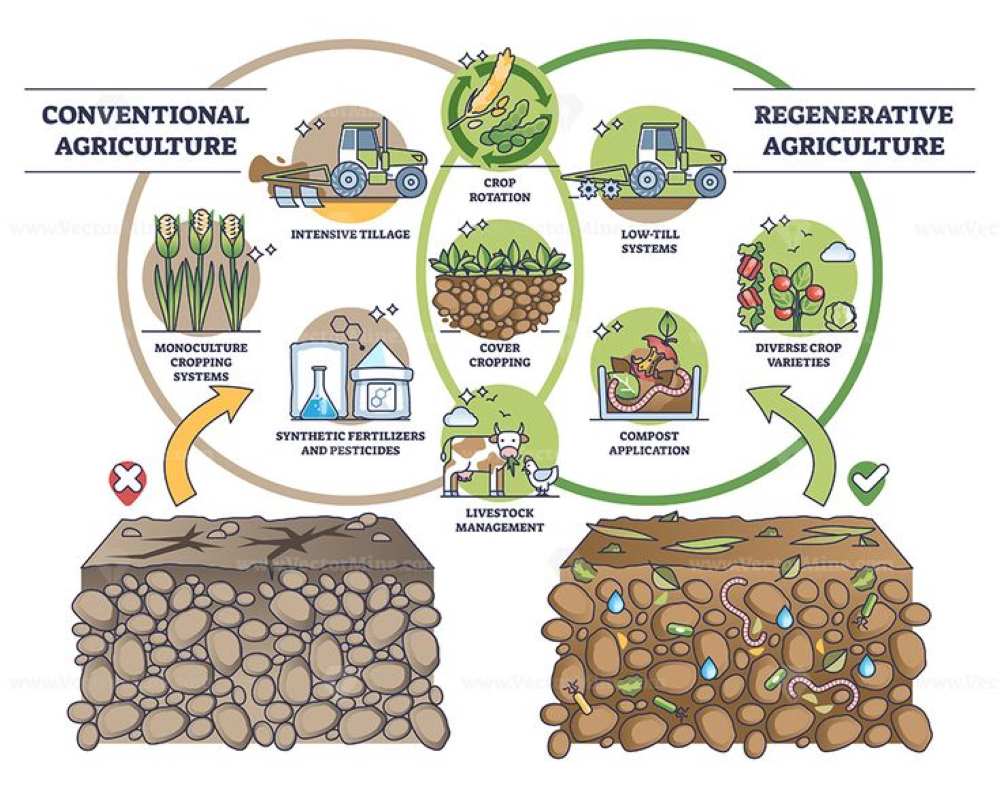
It is possible to achieve climate-smart nutrition through soil health restoration methods. Most of these soil-centric activities fall under the purview of regenerative farming. These include reducing tillage, using organic manure, cover cropping, crop rotation, integrated nutrient management, and incorporating beneficial microbial inputs. The goal here is to reduce the impact of drought stress, heavy rainfall, nutrient deficiencies, and salinity on overall soil health.
3. Diversification of Cropping Systems
Besides improving soil health, diversifying the cropping system on farms can reduce nutrient loss in crops. For instance, plants that are prone to heat stress will benefit immensely from compatible agroforestry. This provides a microclimate for the food crops, reduces erosion, and serves as a carbon sink. Also, crop rotation, mixed farming, and intercropping can all contribute immensely to restoring depleted soil or plant nutrients.
4. Experimenting with Precision Agriculture
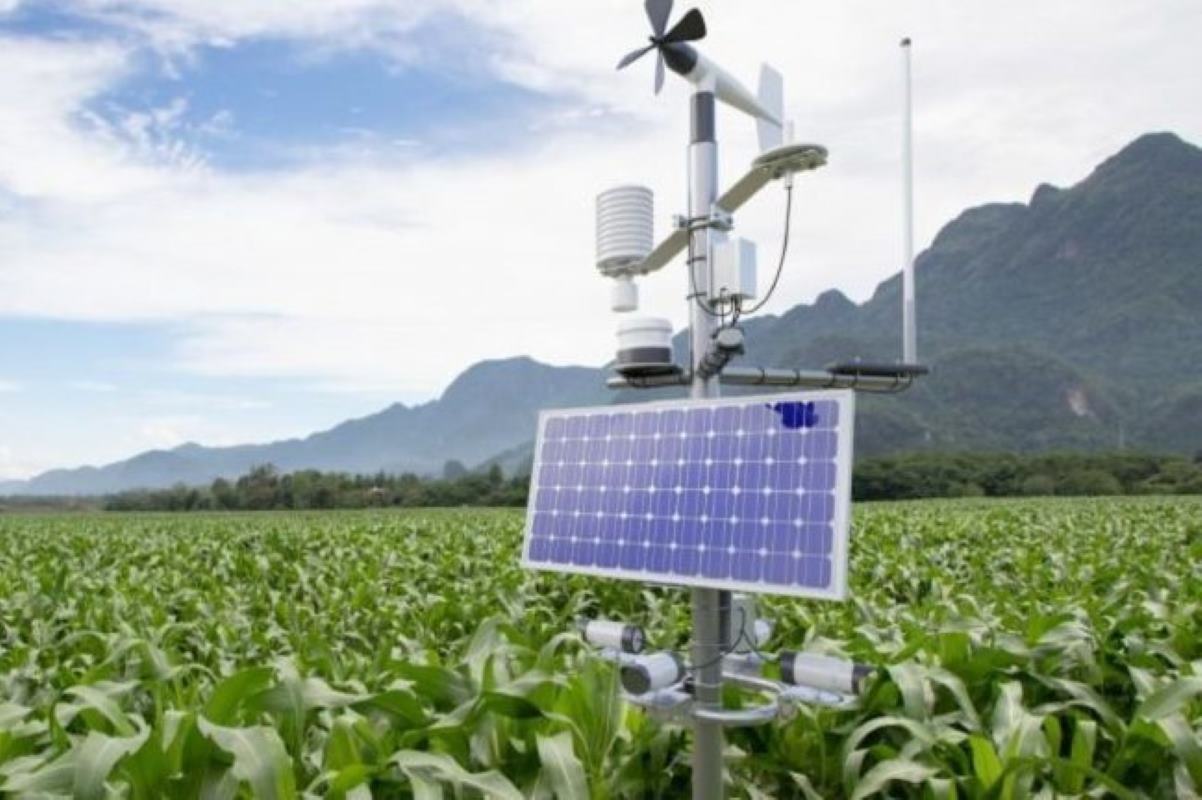
Precision agriculture involves providing data-driven management for farmlands. Conventional farming usually has the farmer deploying relatively the same resources to every plot of a vast farmland. The outcome? A section enjoys a better yield than another, because different sections of a single farmland may have unique requirements.
5. Breeding for Nutrient Density
Biofortification is the name of the game for this initiative for mitigating climate-induced food insecurity. Jennifer Doudna and Emmanuelle Charpentier received the 2020 Nobel Prize in Chemistry for developing the CRISPR technology. This technology has revolutionized plant breeding, precisely editing crops’ genetic makeup. Consequently, crop breeding institutes around the world are now developing nutrient-dense crop varieties that naturally synthesize nutrients which are deficient in native breeds affected by climate stressors. That is the basic core of biofortification.
ALSO READ: The Truth About ‘High-Protein’ Labels: What Food Science Really Says
What This Means for the Future of Food
Farmers, of all scales, are feeling the brunt of climate change. However, the challenge is not peculiar to farmers alone. Policy makers can do a lot to influence the impact of climate change and crop nutrition on food security. Indeed, most nutrition-focused climate policies popping up around the globe are designed to ultimately push food systems towards sustainability. However, since the challenges facing the future of food are dynamic, these policies will also have to be climate-adaptive. Naturally, it becomes necessary to abandon the static metrics by which food security was previously measured.
Most emerging food security policies are being tailored to climate-smart and nutrient-dense agriculture, dietary shifts, reduction of food loss and waste, sustainable public procurement, and social protection for the nutritionally vulnerable.
Food science largely focuses on the transformation of food materials between the farm and your dinner table. So, while this discipline may not contribute to nutrient-dense crop production or CRISPR gene editing, it still plays a vital role in food security and crop nutrition.
Close
So far, you probably realize that climate stress does not affect just harvest volume, but also crop nutrient composition. Nutrient dilution is a subtle food insecurity challenge; it is not an obvious challenge but poses a serious nutritional threat. So, the key to food security is not just increasing crop yield, but ensuring preservation of nutritional integrity.