








A question that often plagues householders is: “How long can food sit out?” Even when they have enough resources to do so, people seldom stock more food items than is needed. The reason for this is not far-fetched—food perishability. Meanwhile, the food this piece focuses on is not farm produce or raw staples, but cooked and ready-to-eat meals. If the food item needs to be refrigerated or frozen to remain safe to consume, it falls under the scope of this article.
Since most food safety mistakes occur with food left at room temperature, it becomes necessary to address post-preparation handling. Are you one of those folks who rely only on how food smells or looks as a metric of safety? Welcome to your reality check.
In this piece, you’ll learn tips on how to predict food safety time limits reliably. This here is not guesswork, but based on regulatory recommendations on the microbiological safety of perishable foods. Endeavor to read to the end; this may be your key to food poisoning prevention.
What Happens to Food at Room Temperature?
Before addressing the “how long can food sit out” question, it would help some to understand what happens to food at room temperature. This analysis shall take scientific or laboratory room temperature as lying between 68°F and 77°F (20°C – 25°C). These figures vary across regions, and are often a function of seasonal variations, but sit snuggly within what’s called the ‘Danger Zone Temperature.’
Food, particularly cooked food, can be compared to a garden; left unattended, it gets taken over by weeds. Similarly, when food is allowed to stand without intentional time-temperature control, it goes bad easily. However, the rate of spoilage varies across different food items. Also, temperature does not spoil food in isolation, but influences other spoilage factors.
The following are brief highlights of why food spoils at room temperature:
Rapid Microbial Reproduction
Most microorganisms thrive and proliferate at about the same temperature as the average human body. However, room temperatures also work fine. So, these microbes use molecules in the food as fuel for growth and reproduction. Simply put, they thrive and degrade their environment (the food harboring them).
Accelerated Enzyme Activity
Enzymes exist naturally in the food matrix. Some microbes also secrete enzymes to break down complex nutrients like starches, fats, and proteins. At room temperature, the activity of enzymes is accelerated. The food damage caused by enzyme activity is seldom ever reversible.
Increased Chemical Reactions (Oxidation)
Some degenerative chemical processes in food, like oxidation, nutrient loss and rancidity, are temperature-dependent. Fat-rich foods often get oxidized and become rancid after standing for a long time at room temperature. Food nutrient loss does not occur during cooking alone.
Even at room temperature, some sensitive food nutrients like vitamin C and B vitamins may become degraded. This is why it is inadvisable to leave chopped fruits and vegetables sitting out for long.
Moisture Migration and Condensation
Moisture balance in food is largely governed by the temperature gradient. When the temperature around the food is high, it absorbs heat energy and loses moisture. Conversely, when the temperature drops around the food item, it loses heat energy to the environment, and if the atmosphere is humid, it absorbs moisture.
This moisture fluctuation occurs when you rotate food between the refrigerator and the kitchen counter. Besides affecting texture, a spike in food moisture content may also encourage mold and bacteria growth.
Mind you, microbes are ubiquitous, meaning they are everywhere around us; in the air, water, soil, food, and on surfaces. However, not all microorganisms are deleterious to human health. Pathogenic microorganisms are the disease-causing microbes. Meanwhile, spoilage microorganisms break down food, alter its quality and make it unpalatable, but do not necessarily cause illness.
ALSO READ: Vinegar or Baking Soda for Washing Produce: What Actually Works?
The Food Safety “Danger Zone” Explained
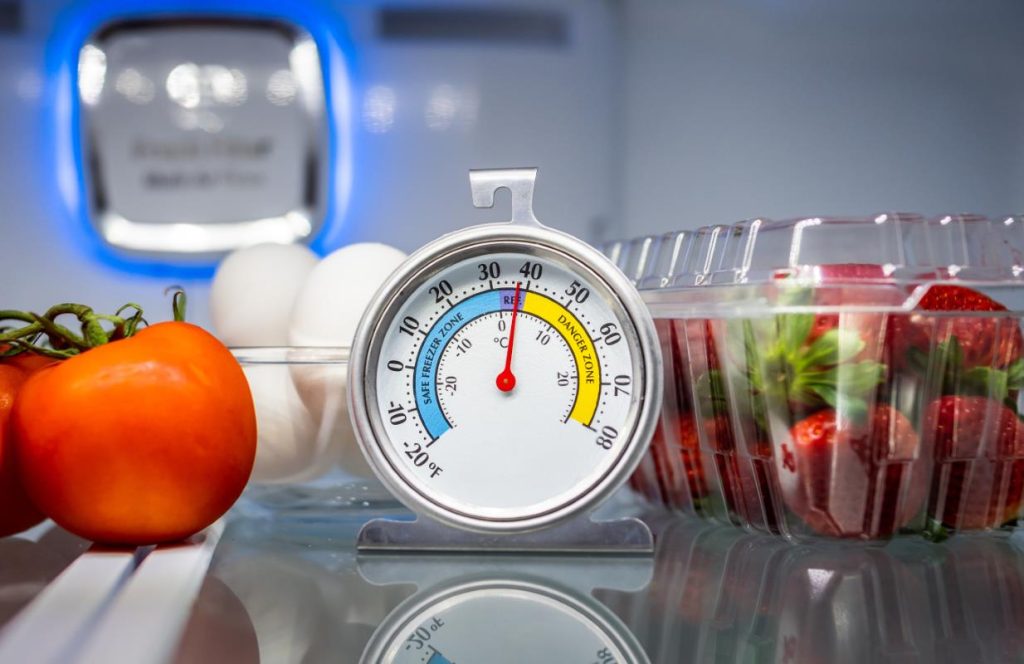
The Food Safety and Inspection Service of the USDA designated a certain temperature range (≈5°C–60°C / 40°F–140°F) as the Danger Zone for food items. Letting food ‘sit out’ in the context of this article means exposing your food to this temperature range. Of course, it is impractical to always keep food very cold (refrigeration temperature) or very hot. At some point, you’ll have to bring food out of whatever temperature-controlled technology that has been shielding it from rapid spoilage.
For emphasis, the danger zone is conducive for pathogens because that temperature range is optimum for most living organisms. Studies suggest that some bacteria become so prolific in the danger zone that they can double their population within 20 minutes. During peak performance periods, some colonies of microorganisms go beyond reproduction; they form spores or produce toxins.
The gist about microbial spores and toxins is that they can be heat-stable—remain a safety threat even after intense heating. So, while the microbes that produced toxins or spores may die off during reheating, food poisoning can still occur. Clostridium perfringens is an example of a spore-producing bacterium, while Bacillus cereus and Staphylococcus aureus are examples that produce toxins.
So, back to the question of ‘how long can food sit out, and remain safe?’ Read on to learn about the two-hour rule on food safety.
The 2-Hour Rule (and When It Becomes 1 Hour)
You love to stock up on yogurt as a gut-friendly dessert. However, you had to buy a big bowl to save cost on multiple small units. Now, the problem is that indulging in yogurt always brings out the big bowl from the refrigerator and exposes it to the danger zone. Let’s see the food safety guidelines to follow while handling perishable foods.
Most regional food safety regulators recommend the 2-hour rule for safe food handling. For instance, the USDA and FDA recommend keeping hot perishable foods at 140°F (60°C) or above. For refrigerated foods like yogurt, eggs, or poultry, store items at 40°F (4.44°C) or below. When food is brought out of the safe storage conditions described, it should not sit in the danger zone for more than two hours. Meanwhile, there are exceptions to this rule. Whenever the room (or outdoor) temperature that the food gets exposed to exceeds 90°F (32°C), it is advisable to reduce the exposure time to one hour.
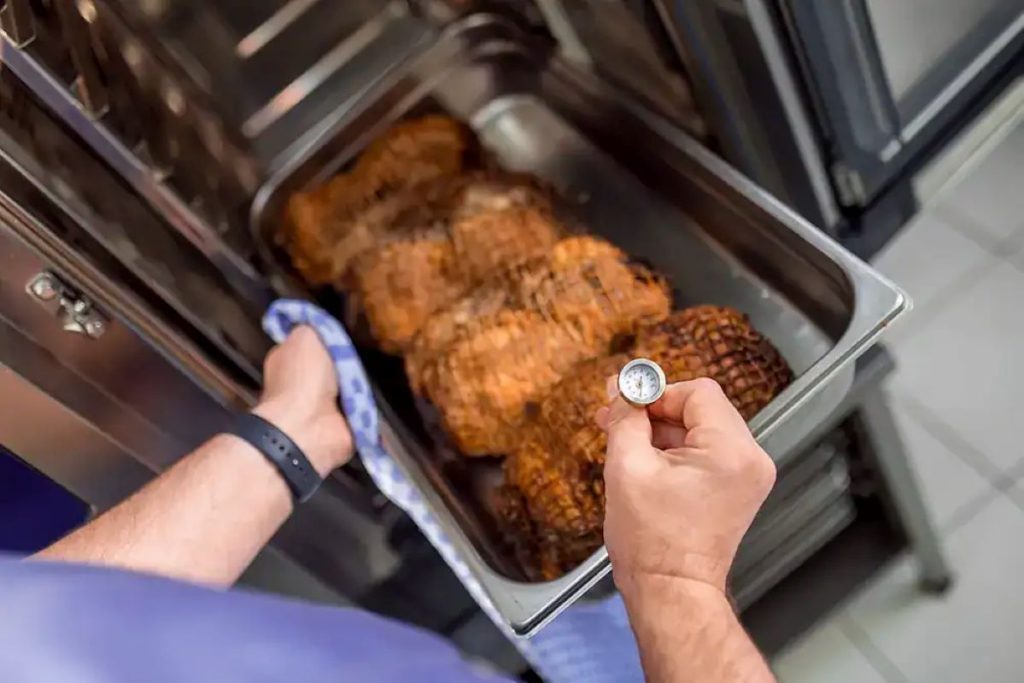
The scenarios of higher handling temperatures painted earlier are very common during summer or outdoor cooking activities. Food is likely to get exposed to relatively higher temperatures during picnics or camping trips.
So, if the food is made to sit in the danger zone at temperature thresholds higher than 90°F (32°C), avoid keeping it for more than an hour. How long can food sit out again? Either two or one hour, depending on the exposure temperature.
According to the USDA, the following are food safety guidelines for handling take-outs, delivered foods, or homemade meals outdoors.
- Adhere strictly to the 2-hour rule.
- Use or discard perishable foods that have exceeded two hours in the danger zone.
- Reheat frozen or refrigerated meals properly (at least 165°F / 74°C internal temperature) before use.
- Spy out the mark of regulatory safety inspection on packaged store-bought foods.
- Use shallow containers for refrigerating or freezing leftover meals.
- Avoid slow-heating cookers for perishable foods.
How Long Specific Foods Can Safely Sit Out
The responses to the ‘how long can food sit out’ question have been largely generic thus far. In this section, you’ll get to learn how long specific foods can stay in the danger zone, with the goal of minimizing bacterial growth.
Cooked Meat and Poultry
That the poultry or meat in question is cooked is inconsequential. Always follow the 2-hour rule for this food category. Also, never use thawing of frozen meat or poultry as an excuse to let it sit long hours in the danger zone. Moving from the freezer to a refrigerator is the safest way to defrost frozen meat. Whenever in doubt about how long meat or poultry has stayed out, please discard it to avoid foodborne illness.
Rice and Pasta
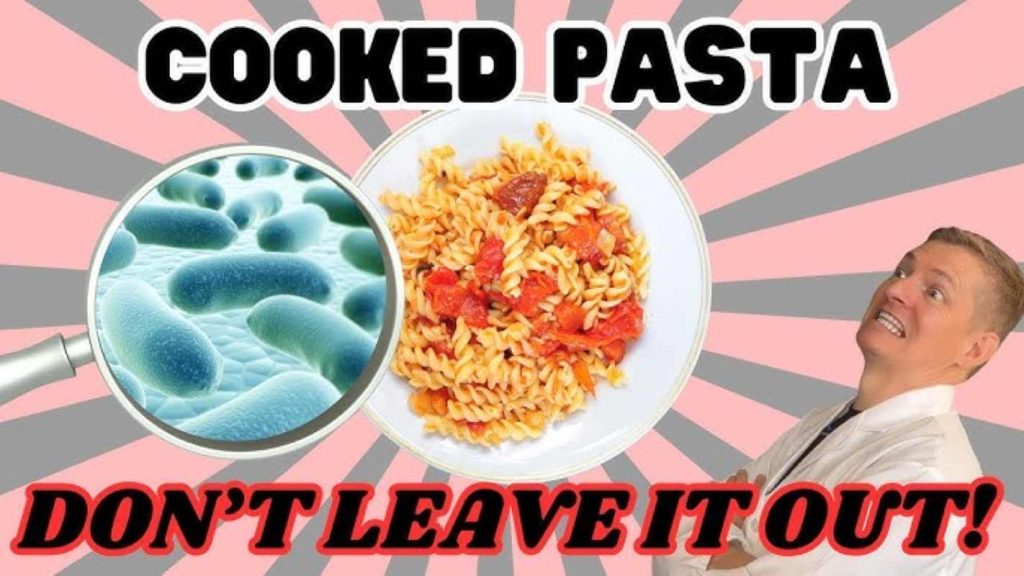
Cooked rice or pasta that is left to sit out for an extended period can potentially lead to the ‘fried rice syndrome.’ This condition is a foodborne illness caused by the Bacillus cereus bacteria that grow seamlessly in cooked rice and sometimes pasta. This bacterium is a spore-producer. So, reheating the dish after allowing it to sit out for long periods may be ineffective for food poisoning prevention. Again, follow the 2-hour rule for rice and pasta.
Dairy Products
Butter stays pretty safe for up to two days within the danger zone, with the observance of general kitchen hygiene. The only problem with butter sitting out for a long time is that of sensory quality and not food safety; it may go soft or turn rancid.
The ‘how long can food sit out’ question becomes a bit nuanced when it comes to eggs. In the United States, eggs sold in stores are washed to eliminate adhering dirt. Unfortunately, the process also washes off a natural protective layer (cuticle) that comes with the egg. If you live in the US and buy eggs from the store, always keep them refrigerated, and follow the 2-hour rule. However, if you run a homestead, unwashed fresh eggs can keep for up to two weeks at room temperature.
Milk, yogurt, and cream cheese are highly perishable dairy products and require strict adherence to the 2-hour rule. Also, it is necessary to avoid intermittently bringing these food items out of cold storage. While they may remain safe to consume despite the repeated transition between refrigerator and countertop, it could alter some quality attributes.
Cooked Vegetables
The 2-hour rule also applies to cooked vegetables.
Sauces, Soups and Gravies
When these food categories are subject to temperature abuse, they easily become a hotbed for bacterial growth. This trend is often due to the considerable proportion of water in sauces, soups and gravies. So, it is advisable to adhere strictly to the 2-hour rule. If unsure of how long the dish has been sitting, please discard it. Also, never test such dishes for safety through tasting.
Baked Goods (with vs without dairy fillings)
According to EatingWell, plain bread and rolls can last for up to 4 days at room temperature. Cookies can also hold together for between 3 and 5 days if protected from moisture in an airtight container. Frosted cakes can also last for 3-5 days. Adding a little brandy to the cake mix could also extend its shelf life. However, it is advisable to observe the 2-hour rule with baked goods containing dairy and poultry fillings. Custard, cream, and pumpkin pies fit snugly in this space.
Foods That Are More Forgiving at Room Temperature
This article is definitely not a tale of woes about food. “Are there food items that fare very well at room temperature?” you’ve probably wondered. Yes, some foods remain pretty stable within the danger zone.
Whole Fruits
As the fresh and unwashed eggs discussed earlier, whole fruits still have their natural coat or peel intact. This protective layer keeps out extraneous microbes and helps the fruit retain moisture. At worst, fruits like stone fruits, melons, tomatoes, and bananas ripen and develop desirable properties when they sit out. So, sitting out can actually be beneficial to whole fruits when the ripening process is monitored.
Bread and Dry Baked Goods
Moisture is often a non-negotiable growth factor for spoilage and pathogenic microorganisms. So, the low moisture content of bread and dry baked goods makes them an unconducive environment for microbes. The high sugar or fat content of these food items also contributes to their low water activity.
Selected Fermented Foods
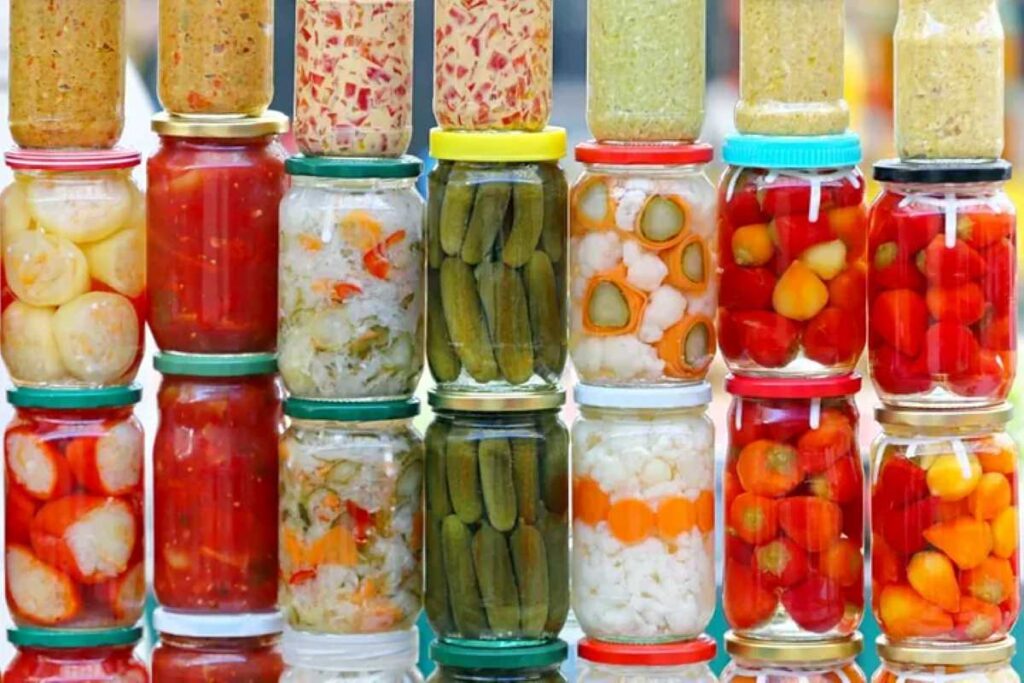
Some fermented foods can sit out for prolonged periods due to acidic components or high brine concentrations. For instance, pickles, kimchi and sauerkraut can stay for months in a dark corner of the pantry without going bad. The extreme conditions (acidic, high salt, or low-oxygen) of fermented food media make them unconducive for pathogenic microbes.
Instead, following the food safety guidelines of DIY pickling or fermentation will yield even more tasty products. With fermented products, the right question is not necessarily ‘how long can food sit out?’ However, the food storage safety of this product category is a wee more important than its time-temperature control.
Common Myths That Increase Food Poisoning
You don’t need to look too far to find misleading food myths about kitchen hygiene and safe food handling. After this, this piece will dispel a few of such myths relating to temperature abuse and food storage safety.
If it smells fine, it’s safe
No, that a food item still smells okay after a quick, or even careful, sniff does not certify it as safe for consumption. If unsure about how long a perishable food has spent in the danger zone, please discard. Food safety experts and regulatory bodies strongly advise against using only the human senses as a judge of wholesomeness.

Reheating kills all bacteria
The straight off answer is ‘No, reheating does not always kill all bacteria in food.’ Now to the nuanced aspect. Reheating is an established method of ensuring that microbes in food are eliminated. However, this only applies if the food to be reheated was stored properly. If due to intermittent heating, or poor food handling and storage practices, the food has already gone bad, reheating will not make it safe to consume. Even if you reheat food that is already getting slimy at a very high temperature, and manage to kill off the microbes, heat-stable spores and toxins may persist.
Food poisoning only comes from meat
No! Food poisoning does not come solely from meat. Yes, raw meat can be an easy source of cross-contamination, particularly when there’s little attention to proper kitchen hygiene. However, eggs, seafood, unpasteurized dairy, and leafy greens can be sources of pathogenic microbes.
ALSO READ: Wooden vs Plastic vs Metal Cutting Boards: Which Is Safest for Your Kitchen?
4 Practical Tips to Reduce Risk at Home
Regulators usually hold restaurants and other food service enterprises to high operational standards. So, there are regulatory requirements for the proper handling and storage of commercial food items. However, the FDA cannot gladhand private individuals to observe hygienic and safe practices in their home kitchen.
So, to avoid the risk of food poisoning in your home kitchen, here are a couple of tips that may come in handy.
- Cool food in batches: The art of cooling food before refrigeration is one of the foremost excuses most folks give about letting food sit out. However, the problem is often the portion size. Carefully separate hot meals meant for refrigeration into multiple batches; this makes cooling more rapid.
- Use shallow containers: Food portioned into shallow containers cools faster. Also, heat penetrates such dishes easily during reheating activities.
- Set kitchen timers: Now that you’ve gotten answers to the ‘How long can food sit out?’ question, it is time to walk the talk. Buy a timer for use in the kitchen, and use it to ascertain how long food items have been on the counter, particularly during meal prep.
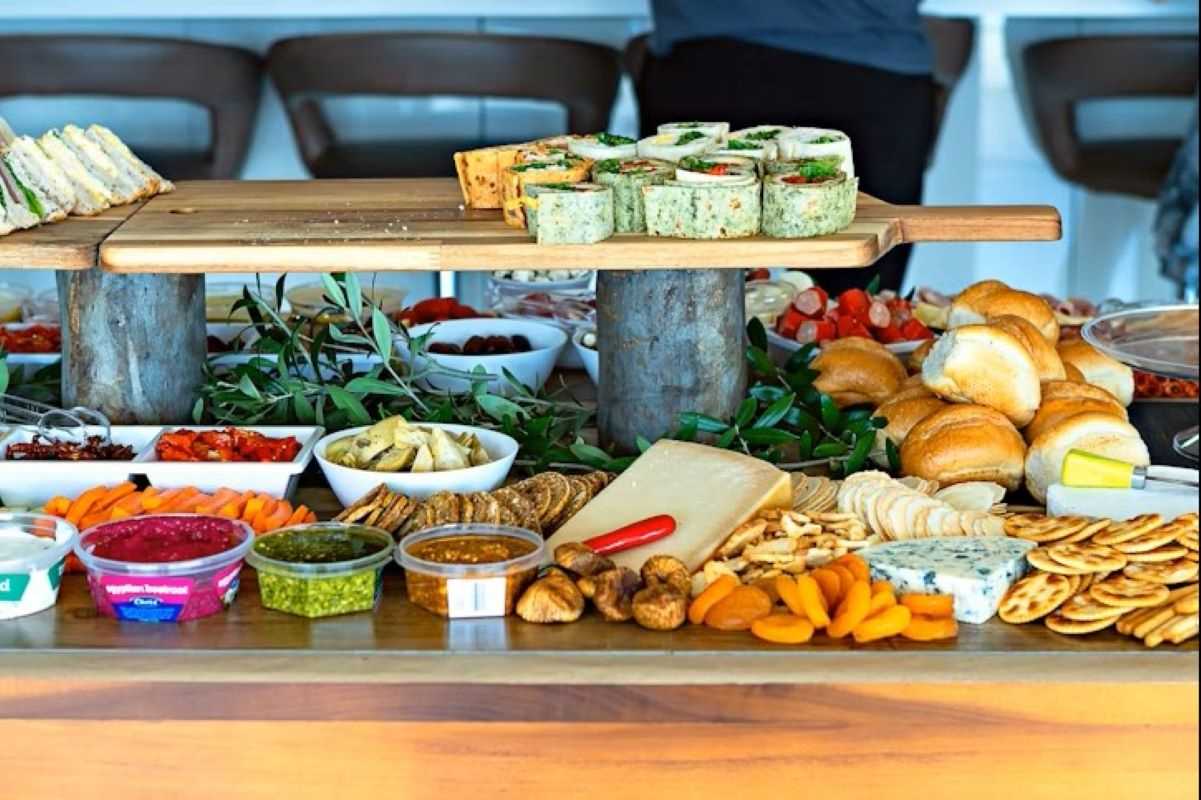
- Monitor temperature of home buffet: During potlucks, parties and get-togethers that feature a buffet, making food sit out is inevitable. Professional event planners use chafing dishes or slow cookers to keep food hot (over 140°F) during large parties. If you don’t have either of these specialized serving utensils, avoid hosting a buffet at home.
Key Takeaway
This piece has done justice to the ‘How long can food sit out?’ question. Summarily, always remember that judging food by appearance or odor does not make it safe. Observing food safety practices entails sidestepping looming damage. It saves you from having to convalesce from food poisoning or foodborne illness. Whenever in doubt about how long food has been sitting in the danger zone, please discard. While food is intended for nourishment, it is always pivotal to prioritize safety.