









The relationship between ultra-processed foods and the brain axis is one that science has reinforced as existing. Have you ever caught yourself reaching for sweets or chips when you’re not even hungry? That right there may be processed food cravings.
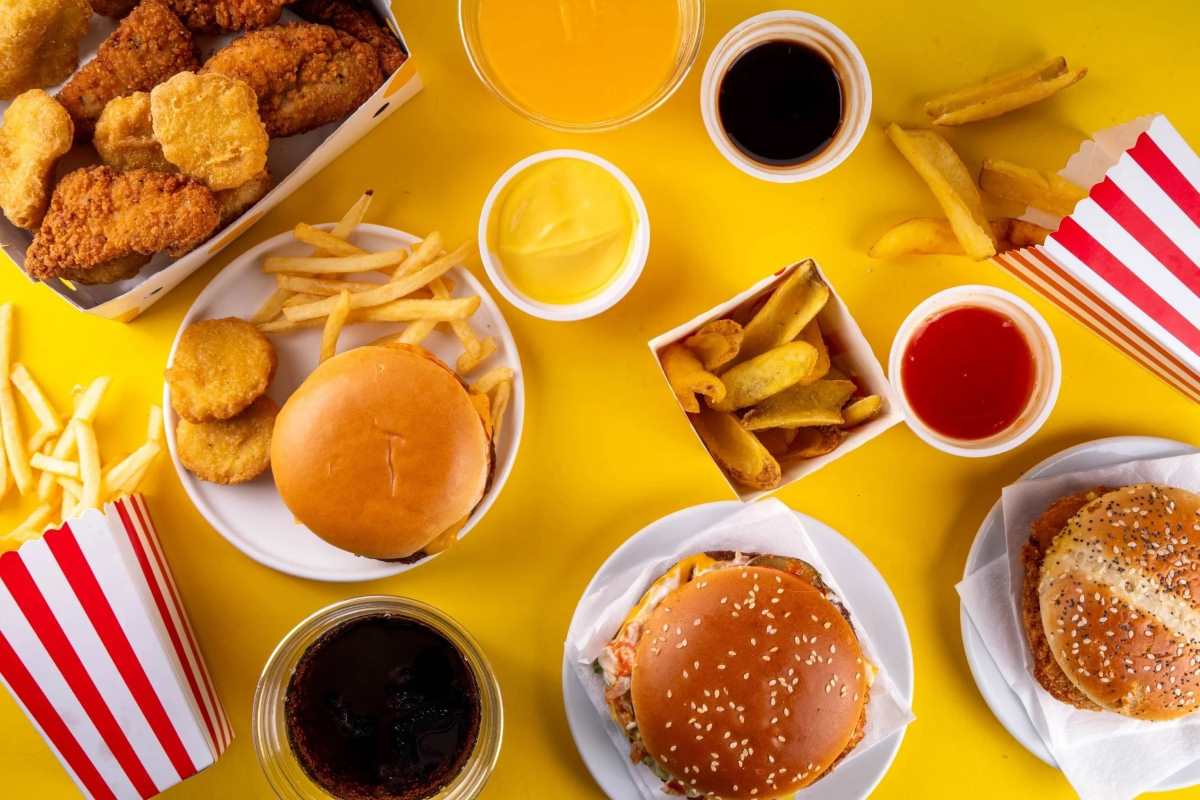
Several ultra-processed foods (UPFs) are designed intentionally to taste so good. Interestingly, studies have found that such food products alter neural signaling and brain reward loops. So, this article will try to discuss some of the neurological effects of UPFs. To achieve this goal, we shall consider how hyperpalatable foods drive neural pathway activation.
Studies on how processed foods affect the brain have been ongoing for several years. But this piece will set forth scientific consensus on the relationship between the brain’s reward system and food.
What Makes a Food “Ultra-Processed”?
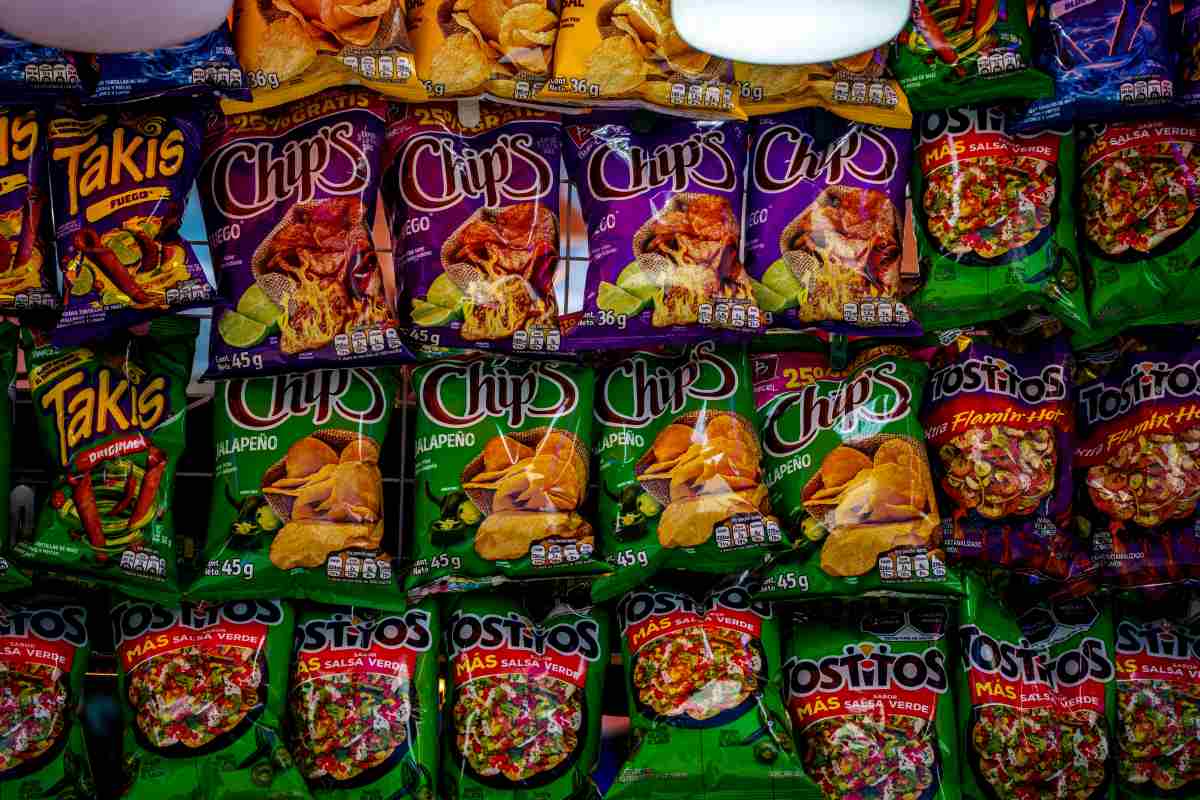
Mostly, ultra-processed foods are commercial products that have undergone rigorous industrial processes. Usually, they are designed to be palatable, and whatever aisles they occupy in a retail store often enjoy considerable foot traffic.
Now, it is necessary to clarify that the world of ultra-processed foods is not all that ‘black and white.’ This preceding statement implies that not all ultra-processed foods are unhealthy. For a better understanding of what qualifies as ultra-processed food, read our article ‘5 Real Reasons Why Ultra-Processed Foods Dominate Our Diets.’
The Brain’s Reward System: Your Biological Motivation Engine
Dopamine is a hormone that is secreted primarily by the brain, and sometimes by the kidneys. In the brain, this hormone doubles as a neurotransmitter, meaning it assists in transmitting chemical messages across nerve endings. Due to its peculiarities, the brain often releases dopamine into the bloodstream as part of what is called a neural reward loop. This means dopamine release occurs in the brain whenever it is informed that some body part is having some pleasurable experience.
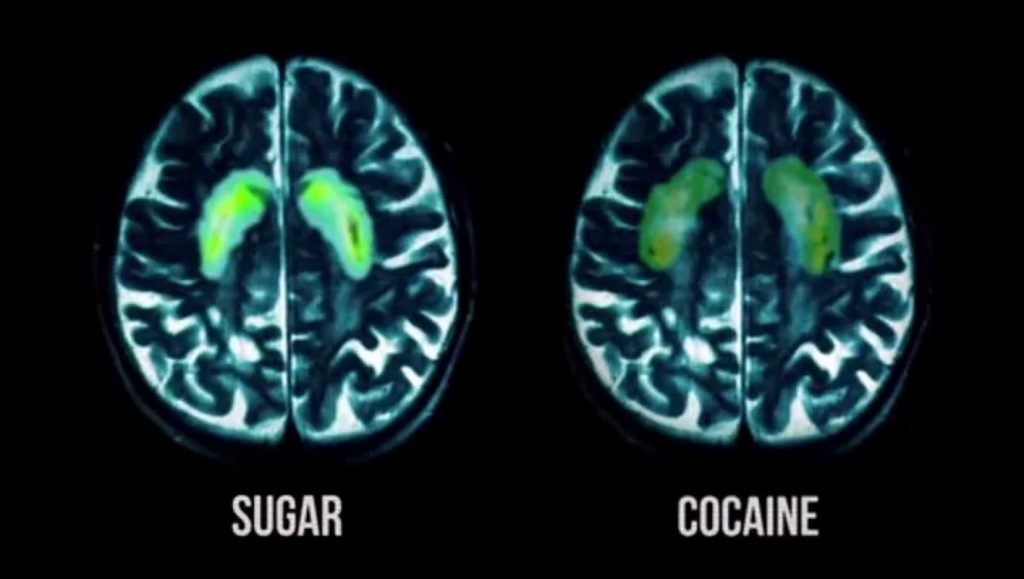
Consequently, dopamine release is imminent during activities like sex, eating, pot smoking, or the use of hallucinogenic drugs like meth or LSD. This explains why dopamine is often called the ‘feel-good hormone.’ Interestingly, dopamine is not alone in the appropriation of brain chemistry and the neural reward loop. Dopamine helps you learn the brain reward loops to reinforce, but another neurotransmitter—serotonin—helps regulate habits formed from pleasurable activities like eating.
The relationship of dopamine and serotonin is a sensitive and independent one. Food addiction science has found dopamine-serotonin imbalances in most studied cases of unbridled processed food cravings. Nonetheless, dopamine remains vital for health and subsistence because it helps to reinforce survival behaviors. In contrast, serotonin helps regulate excessive neural pathway activation by signaling satiety. This is how ultra-processed foods and brain chemistry could drive your eating habits and appetite regulation.
ALSO READ: Why We Love Crunch: The Science Behind Perfectly Crispy Foods
How Ultra-Processed Foods Trigger Stronger Dopamine Spikes
Of course, food addictions are usually subtle, and their impact is seldom as prominent as that of hallucinogenic drugs. Nonetheless, eating behavior science has it that hyperpalatable foods can rig dopamine pathways and, by extension, topple people’s appetite regulation ability.
UPFs are often designed using ‘bliss point’ engineering. This method of food product development involves nailing the perfect combination of fat, salt, and sugar for maximal pleasure and dopamine release.
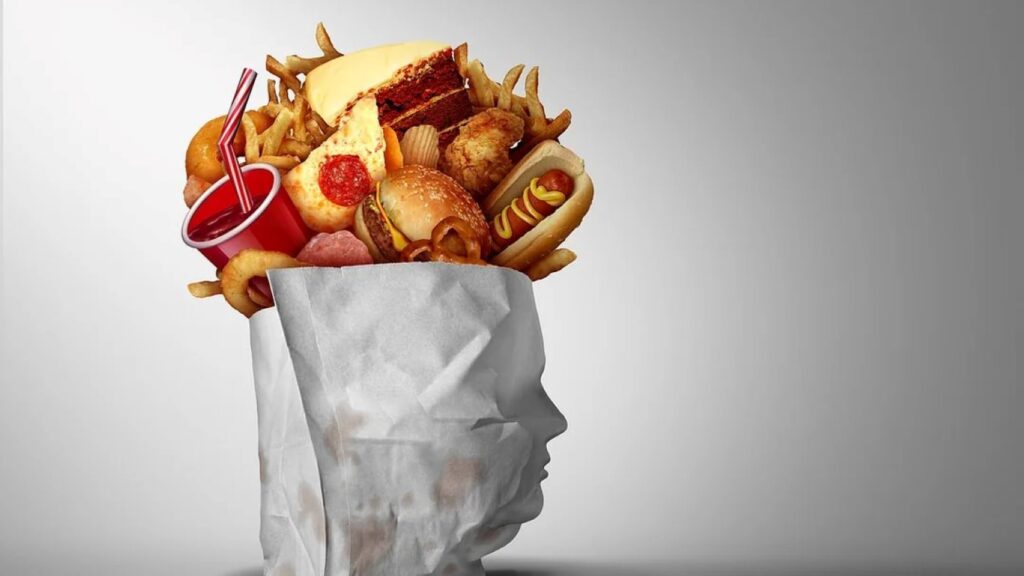
UPFs that manage to crack the bliss point code tend to send high reward signals to the consumer’s brain. Consequently, consumers’ cravings for such food products often mimic addictive behaviors.
The dopamine pathways of drug addicts are usually hard-wired and form habits that are often difficult to change. Eating behavior science reiterates that the ultra-processed foods and brain relationship is a bit similar, albeit with lesser intensity. Naturally, breaking an identified craving for hyperpalatable foods is much easier than getting clean from, say, heroin.
Why UPFs Make You Want More (Even If You’re Full)
While the science behind processed food cravings is indeed complex, understanding it can be pretty easy. Let’s start by breaking down the relationship between dopamine and eating habits. Indeed, eating behavior science establishes two different eating patterns around that relationship. The two eating patterns are:
- Hedonic eating
- Homeostatic eating
Hedonic eating patterns involve the psychological desire for the pleasure derived from eating some highly palatable food. This eating pattern is more concerned with satisfying desires than addressing hunger.
In contrast, homeostatic eating patterns are driven by physiological indicators that help the subject be aware of its need for nutrients and energy. This pattern ensures the subject’s survival and maintenance of basic biological functions.
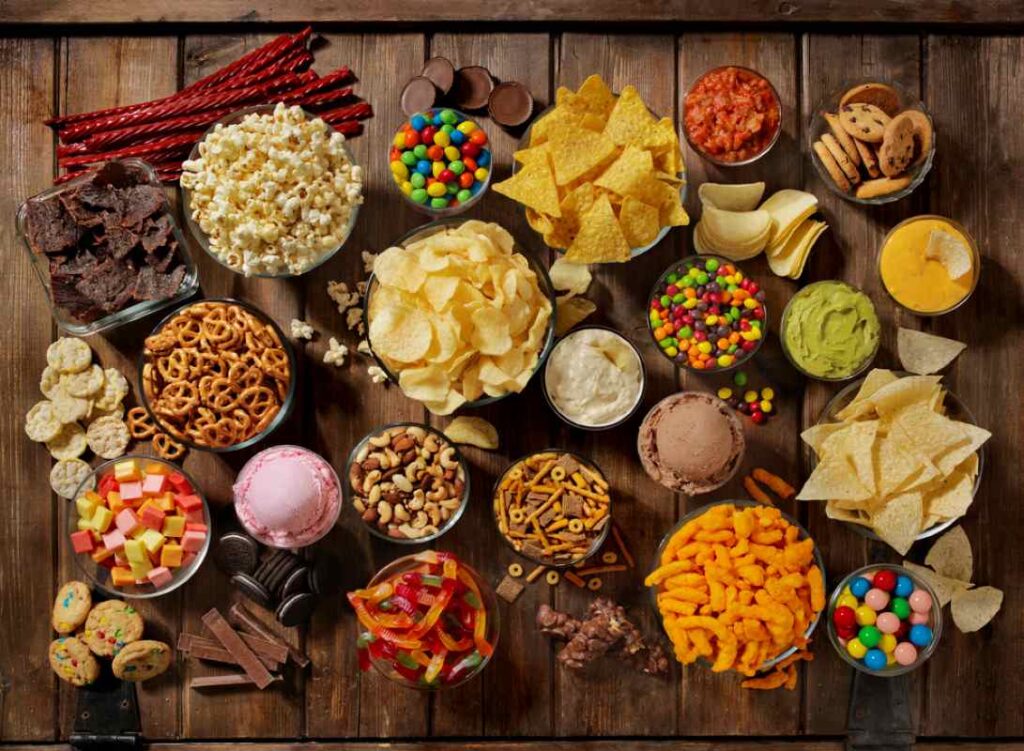
UPFs are designed to trigger a person’s hedonic eating patterns, so much so that the product leaves such individuals desiring more instead of becoming satisfied. Consequently, hyperpalatable foods may alter a person’s satiety hormones (ghrelin and leptin). Ghrelin is responsible for hunger signaling, while leptin helps a person determine when they’re full.
Finally, the ultra-processed foods and brain relationship is a tricky and elusive one. The nutrients present in UPFs are designed to be rapidly absorbed and digested by the body. Thus, this kind of food often returns you to a hungry state not long after eating. If such a dopamine and eating cycle is maintained over a long time, the individual easily becomes obese.
ALSO READ: DIY Flavor Lab: Experimenting With Homemade Seasoning Blends
Are Ultra-Processed Foods Actually Addictive? What Science Says
In science circles, the term ‘food addiction’ remains controversial. Many food experts affirm that foods seldom possess addictive tendencies. However, while some ultra-processed foods and brain axis interactions mimic responses to addictive substances, it may be exaggerated to classify them as such.

Several studies have used the Yale Food Addiction Scale to assess the tendency of highly processed foods to cause addictive-like behavior in consumers. Nonetheless, scientists are always cautious not to peddle patterns of eating disorders as food addiction, as such labels may be misleading.
Steps to Regain Control Without Demonizing Food
Food, in itself, is seldom the problem with addictive-like eating patterns. If only people understood the ultra-processed foods and brain interaction, they’re likely to eat such foods and still lead a healthy life. However, if your eating habits already show signs of heavy reliance on UPFs, there are some practical steps that can help you reset.

- Engineer your personal space to provide minimal visibility for UPF snacks. This can be achieved by stocking your pantry and fridge intentionally.
- Practice mindful eating, which makes you unlikely to fall into the loop of reward-seeking eating habits.
- Avoid depending on UPFs to attain satiety. Maybe in pleasure diets like desserts, but never as the main course.
- Replace all hyperpalatable snacks in your diet with balanced alternatives.
- Take control of dopamine spikes by eating fiber-rich foods.
Ultra-processed foods are not edibles to be fidgety about. Indeed, some people have become overly enthusiastic about foods that fit such descriptions. Meanwhile, food is by no means the problem; you only need to get a handle on your brain reward system and make a point to eat healthy.
As research grows, we’re learning how the modern food environment shapes our cravings—and how to navigate it wisely.
ABOUT THE AUTHOR

Babatunde Olufemi is a food scientist, educator, and science-based food writer with academic and practical exposure to food processing, nutrition, food safety, and the global food industry. Through Quill of Grubs, he breaks down complex food science topics into clear, accessible explanations for everyday readers, students, and professionals.