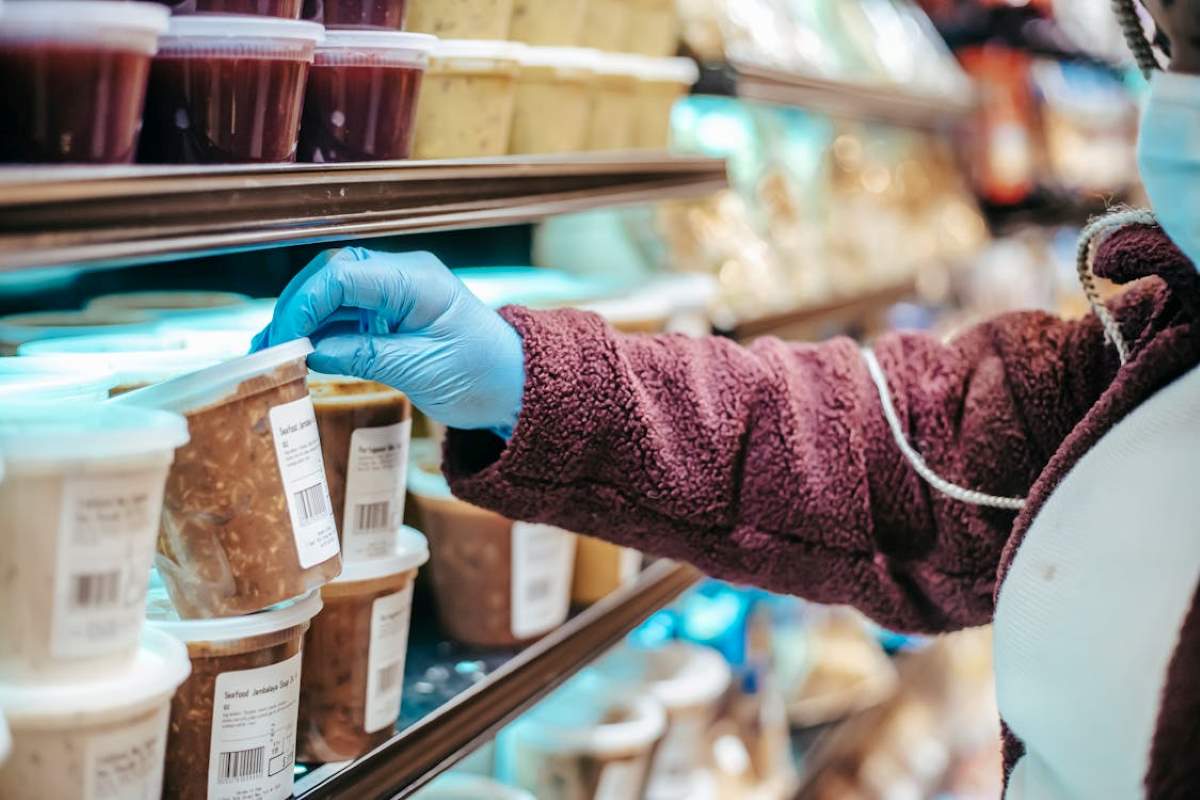










There are only a handful of food companies that have fermented snacks as their flagship product. However, this product category is becoming popular. Branded fermented products are mostly based on existing traditional delicacies. For instance, it’s now common to see items like fermented nut clusters, kombucha chews, or tangy kimchi crisps on store shelves. The interesting thing about this recent fermented snack trend is that the brands involved are trying to establish quality consistency.
Most consumers who opt to buy probiotic snacks do so for their gut-friendliness. Additionally, some people also do it for the bold and nostalgic flavors. However, how many individuals truly understand how fermentation enhances flavor, or the underlying science of fermentation?
The goal of this article is to analyze fermentation chemistry and its microbiology. Additionally, you’ll gain insights into how microbial fermentation processes transform simple ingredients into innovative snacks with complex and tangy flavors.
What Counts as a Fermented Snack?
If you’re a lover of yogurt, cheese, sauerkraut, sourdough bread, or kombucha, then you need no introduction to fermented snacks. Those are just a few of the gut-friendly foods we have around. The truth is that almost every culture has a fermented food that is peculiar to it. Such traditional fermented foods originated from pre-industrial food preservation processes, often through microbial transformation and enzymatic reactions.
The recent probiotic snack trend only builds on existing fermented dishes. The only difference is the snack shelf-life science that has been introduced to make the product consistent and the quality predictable.
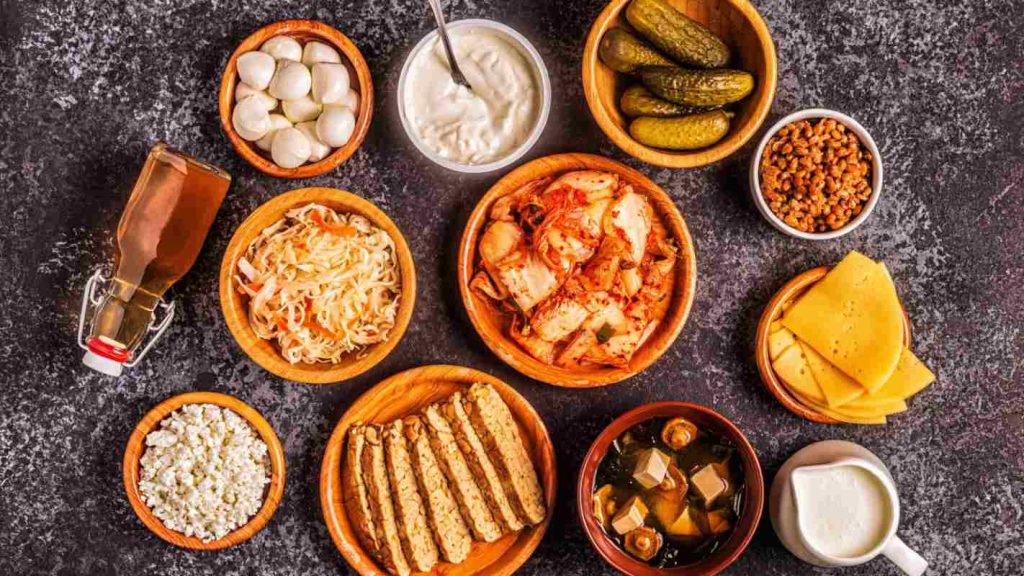
The prime-movers in the production of fermented snacks are microbes (molds, yeasts, bacteria) for the enzymatic breakdown or microbial transformation of food. In the course of carrying out their biological processes, microbes, such as lactic acid bacteria, produce aromatic compounds, alcohols, and acids that influence the fermented flavor profiles of food.
Lore has it that pickles were first sold in the States by Jewish immigrants, mostly in unbranded jars. Today, several brands stock store shelves with approved fermented products. For instance, Gutsy Ferments and Bubbies are known for pickles and other fermented vegetables. SuperYou has carved a niche for itself by offering fermented yeast protein wafers. Clearspring produces gut-friendly snacks, including Sourdough, Tempeh and Miso.
ALSO READ: Why Fermented Foods Are Staples in So Many Cultures (And Still Matter Today)
Why Fermentation Extends Shelf Life and Boosts Flavor Naturally
The flavor of fermented snacks is largely dependent on the original flavor of the food and the microbes that act on it. Let’s break it down:
- Molds (e.g. Aspergillus oryzae): Fermentation by molds is responsible for the characteristic umami in foods like Miso and soy sauce. This rich flavor is a product of the enzymatic breakdown of starches and proteins into simpler compounds.
- Yeasts (e.g. Saccharomyces spp.): Most of the alcoholic (either strong or mild) fermented foods involve the microbial fermentation of starches. Yeast fermentation produces a characteristic, fruity flavor.
- Bacteria (e.g. Lactic Acid Bacteria (LAB)): Any fermented food that exudes tangy flavors, keeps well and amends gut maladies is probably a product of LAB fermentation.
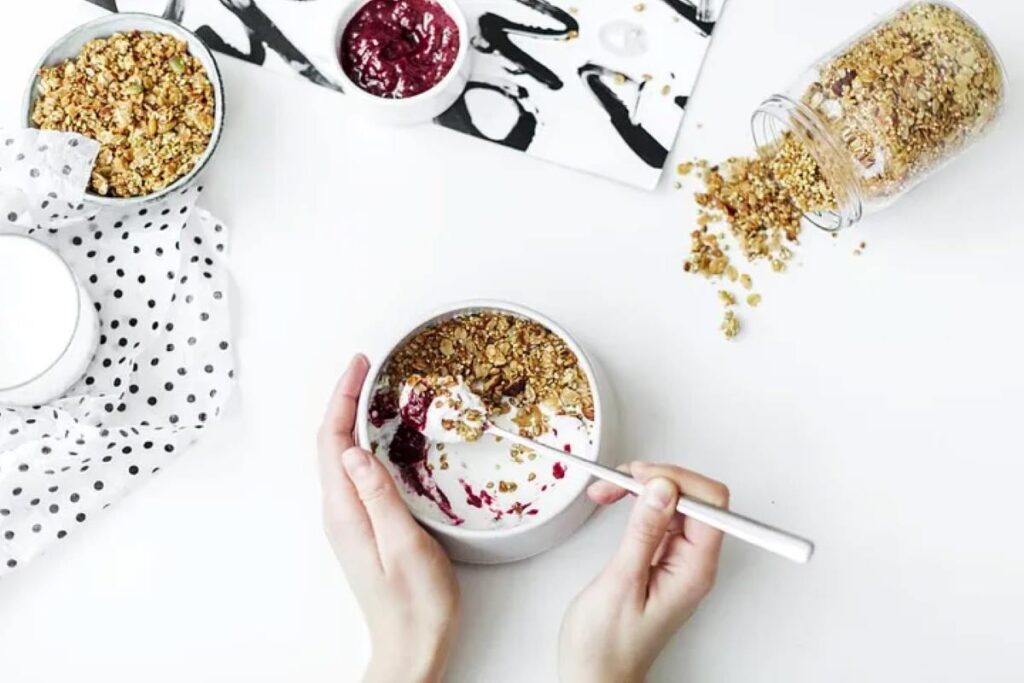
Next to an analysis of how fermented snacks can exhibit such a long shelf-life. Food brands that have hopped into the probiotic snack trend dry their products where possible, mostly after fermentation has occured. However, fermentation chemistry itself has its own hacks for keeping the resultant product shelf-stable.
For instance, the lactic acid produced during LAB fermentation reduces the food’s pH, thereby controlling the growth of harmful microorganisms. Similarly, some microbes produce natural bacteriocin (food-safe antimicrobials) that kill other organisms possessing spoilage factors.
Some fermented snacks use artificial additives to extend product shelf-life, but such products are not the locus of this piece.
Are Fermented Snacks Really Good for Gut Health?
Now that we have come to the question of the fermentation benefits of gut-friendly snacks. Therefore, it becomes necessary to distinguish between probiotics, prebiotics, and postbiotics, as these confer the bulk of the health benefits attributed to fermented foods.

Prebiotics are the indigestible bulk or fiber present in the food we consume. In the gut, these fibers serve as food for the desirable bacteria. Probiotics are living microorganisms found in certain fermented foods. These are desirable yeasts or bacteria that impact gut health when consumed. Common examples of fermented foods that contain live desirable organisms (probiotics) include tempeh, kombucha, kimchi, kefir, yogurt, and miso. Postbiotics are the metabolic byproducts of probiotics that have been feeding on prebiotics. Examples include organic acids such as short-chain fatty acids, cell fragments, and extracellular polysaccharides. Postbiotics persist after heat processing kills off the probiotics in fermented foods.
ALSO READ: The Science of Fermentation: How Bacteria Make Foods Better
Modern Fermented Snack Innovations and DIY Ideas
The major brands producing fermented snacks commercially are trying to make the their flavors global. This makes it easy for culinary adventurers to acclimate to traditional fermented foods from other cultures. Some brands are getting innovative with how they flavor food, by using fermentation chemistry to achieve ‘functional flavoring.’ Others have gone headlong into the business of fermented spices. These are condiments designed to add a plant-based umami flavor to dishes. Fermented chili oil powder and miso dust are good examples of such ‘fermented spices.’
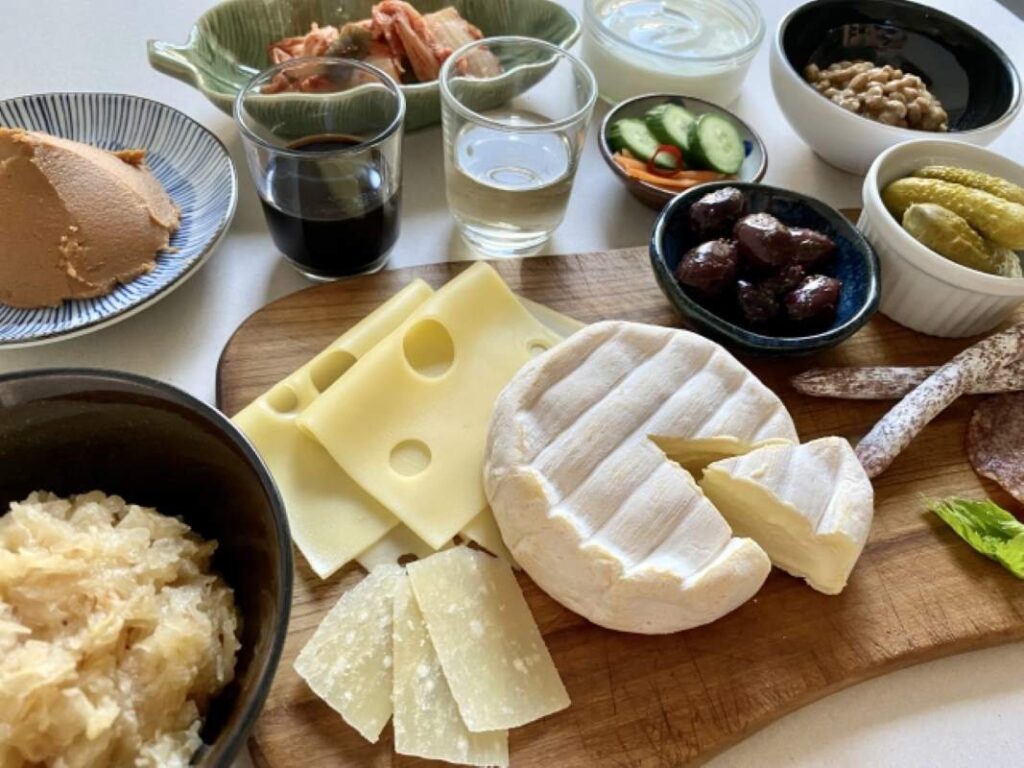
Are you aware that fermented snacks are a shelf-stable food you can prepare at home? Most of it involves dehydrating familiar fermented foods such as kombucha. Consequently, all the safety guidelines that apply to conventional food fermentation still apply here.
A few examples of such snacks that you could easily slap together in your home kitchen are:
- Fermented nut mixes
- Dehydrated kimchi chips
- Yogurt leather strips
- Fermented chili-garlic seasoning flakes
ABOUT THE AUTHOR

Babatunde Olufemi is a food scientist, educator, and science-based food writer with academic and practical exposure to food processing, nutrition, food safety, and the global food industry. Through Quill of Grubs, he breaks down complex food science topics into clear, accessible explanations for everyday readers, students, and professionals.