










Do the regular quick fixes you have during lunch breaks qualify as sustainable snacks? Just a couple of decades ago, only a handful of people gave a hoot about the eco-friendliness of anything—food, automobiles, or clothing. However, times have changed, and there’s an ongoing global advocacy for industries to go ‘green.’ Consequently, individuals and organizations are becoming more aware of the ecological footprint of their activities.
Someone reading this is probably wondering if there are existing correlations between their snacking habits and climate change. Well, several resources go into producing the average commercial snack. Indeed, that the snack is prepared at home may be of little consequence to its carbon footprint.
This brings into question the possibility of eating our snacky cake and having it. Are existing global snacking trends sustainable and healthy for the planet? This article will assess whether some modern snacking cultures are sustainable, without oversimplifying their implications.
What Does “Sustainable Snacking” Actually Mean?
Usually, people snack to nourish and vitalize their bodies between meals. However, beyond providing life-driving juice and keeping your body healthy, snacking, when intentional, can be eco-friendly. Interestingly, there are multiple domains for categorizing snacks on the scale of sustainability. So, ticking just one of those boxes does not qualify those quick bites as eco-friendly snack foods.
Waste Generation
To qualify as sustainable, or low-impact, snacks have to be such that they contribute minimal waste. Alternatively, if the generated waste is significant, it needs to be upcycled for minimal environmental impact. This is one of the many dimensions that help determine if a snack is sustainable. The water footprint of the snack could also serve as its sustainability metric.
Packaging
Packaging materials for green snack brands are usually biodegradable and eco-friendly. The product may be healthy and nice, while the wrapper may constitute food packaging waste.
Processing Intensity
Snack sustainability could also be a function of how rigorous its processing is. Multiple studies have established that there’s a direct relationship between food carbon footprint and ultra-processing.
Ingredient Sourcing
The manufacturer of your favorite snack may be using ingredients that have travelled thousands of miles. If there are local alternatives for sourcing those materials, the said manufacturer would be kicking against the ethos of responsible sourcing.
ALSO READ: Superfoods or Super Strain? The True Eco Impact of Global Superfood Trends
Why Snacks Have a Disproportionate Environmental Footprint
That snack food emissions can be significant may come as a shock to many people. However, there are multiple reasons why snack sustainability has recently come into the spotlight. For instance, commercial snacks require as much energy to produce as your average processed food, if not more.
Another issue with snack sustainability is the accompanying long supply chains. Take chocolate bars as an example. The processing facilities of the most prominent chocolatiers are situated in Europe. Meanwhile, the major raw material, cocoa beans, comes from thousands of miles away.
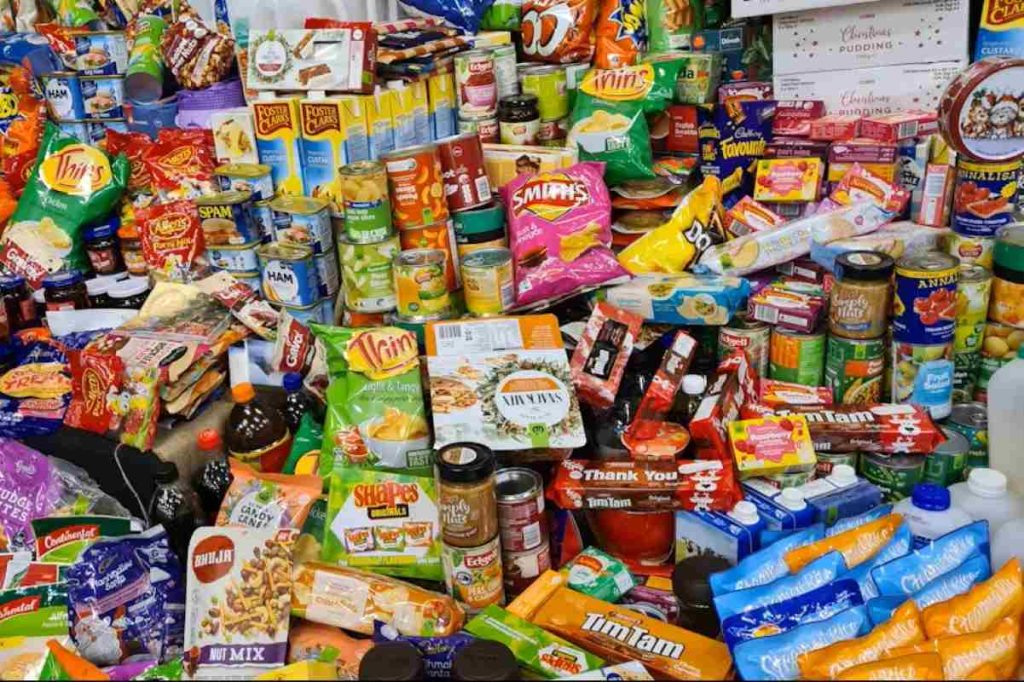
In your encounters with snack variants, have you ever come across any with recyclable packaging? Maybe a handful among millions. If you make a point to note, you’ll discover that most snacks come in single-use packaging. So, food packaging waste that comes from annual snack consumption also has a notable environmental footprint.
Furthermore, sustainable snacking may require rethinking the frequency of consuming convenience foods. The brand you prefer may come under the category of low-impact snack foods. However, if snack patrons consume low-impact convenience foods frequently enough, the food’s carbon footprint may compound, constituting an environmental threat.
Ingredients Matter: Which Snacks Tend to Be Lower Impact?
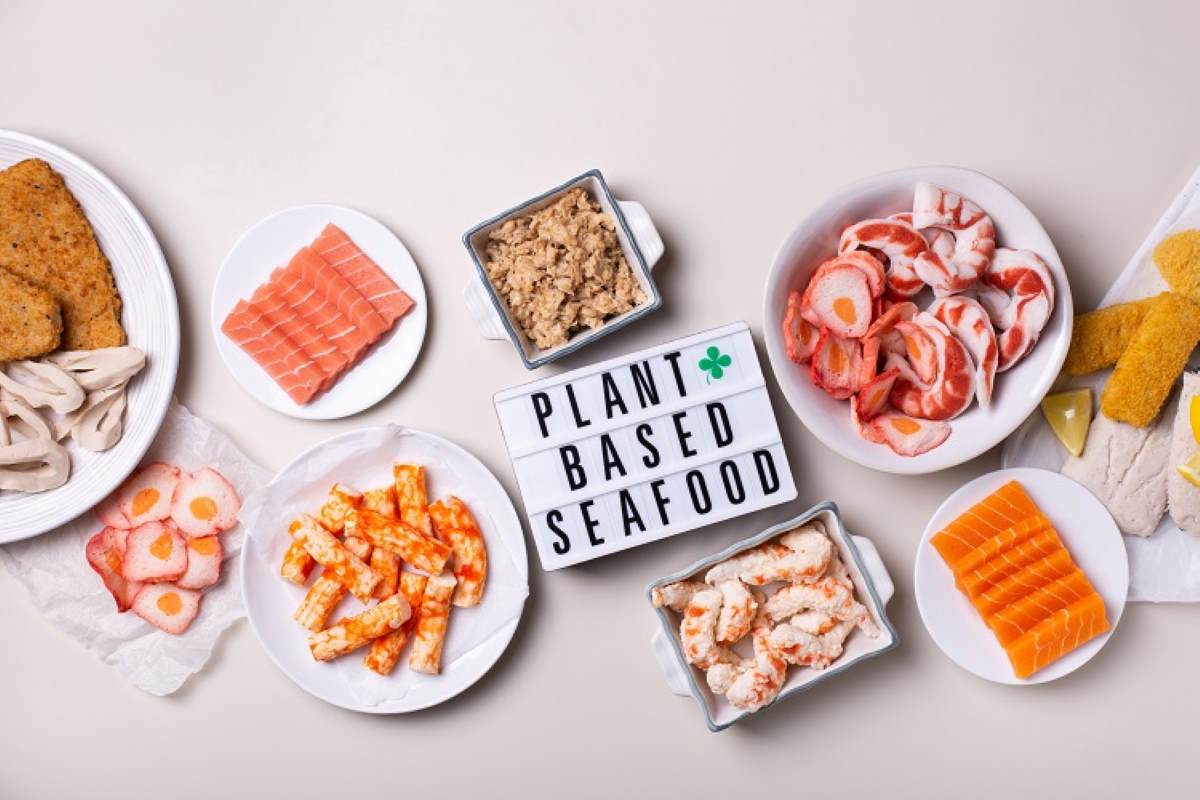
It is difficult to underplay the role of ingredient choices in the development of eco-friendly snack foods. For instance, some studies suggest that some plant-based snacks are more sustainable than their animal-based equivalent. This, however, is not a question of which is healthier, but rather a review of which ingredient source is more environmentally lenient.
One of the foremost contributors to the snack food emissions metric is the food mile. The longer the ingredients, or the snack, have to travel before their endpoint, the higher the food’s carbon footprint. In contrast, ethical ingredients clock the lowest food miles possible, from farm to table.
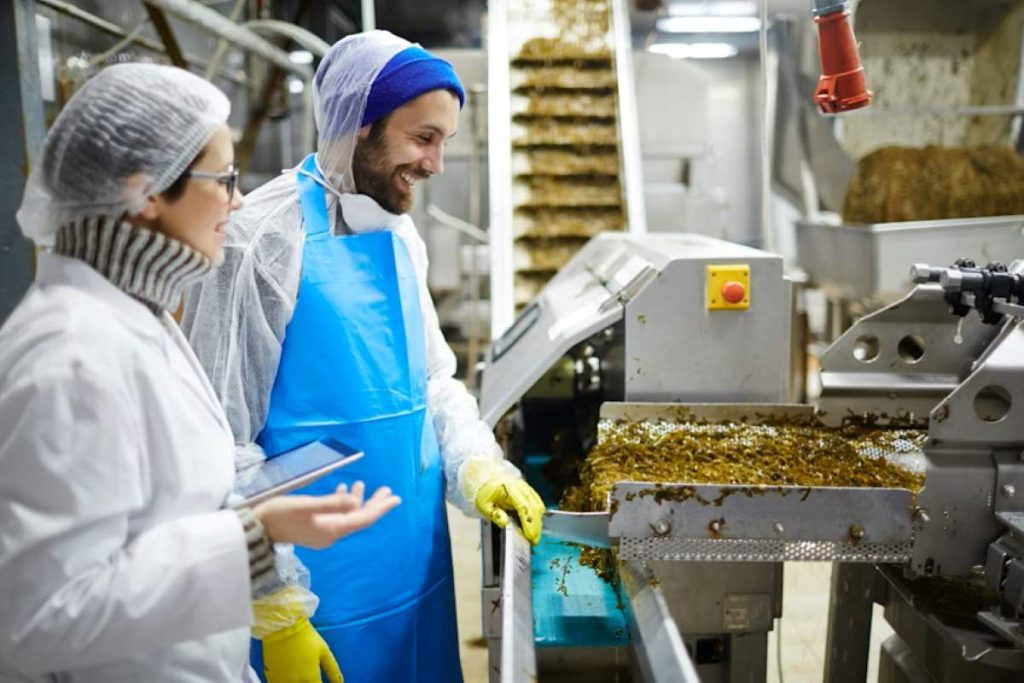
The level of ingredient refinement may equally impact snack sustainability. Consider flour-based snacks as an example. If a snack manufacturer chooses whole-grain flour over refined flour, they would significantly reduce the snack food emissions. Subjecting snack ingredients to minimal processing could also yield low-impact convenience foods.
Food scientists are developing innovative products by increasingly upcycling food waste. Buying products that subscribe to such green food trends may qualify as sustainable snacking. Imagine buying cookies formulated with upcycled banana peels or corn cobs. Such sustainable food choices will definitely reduce the environmental burden of some waste.
All the preceding ingredient-related factors either compound or reduce snack food emissions.
How Snack Brands Are Responding
Since the eco-friendliness of snacks has come under scrutiny, brands are also tweaking products to align with green food trends. Health-conscious food consumers are becoming more informed about sustainable snacking. Consequently, many snack brands are reformulating products with ethical ingredients. For instance, artificial colors are being replaced with natural pigments.
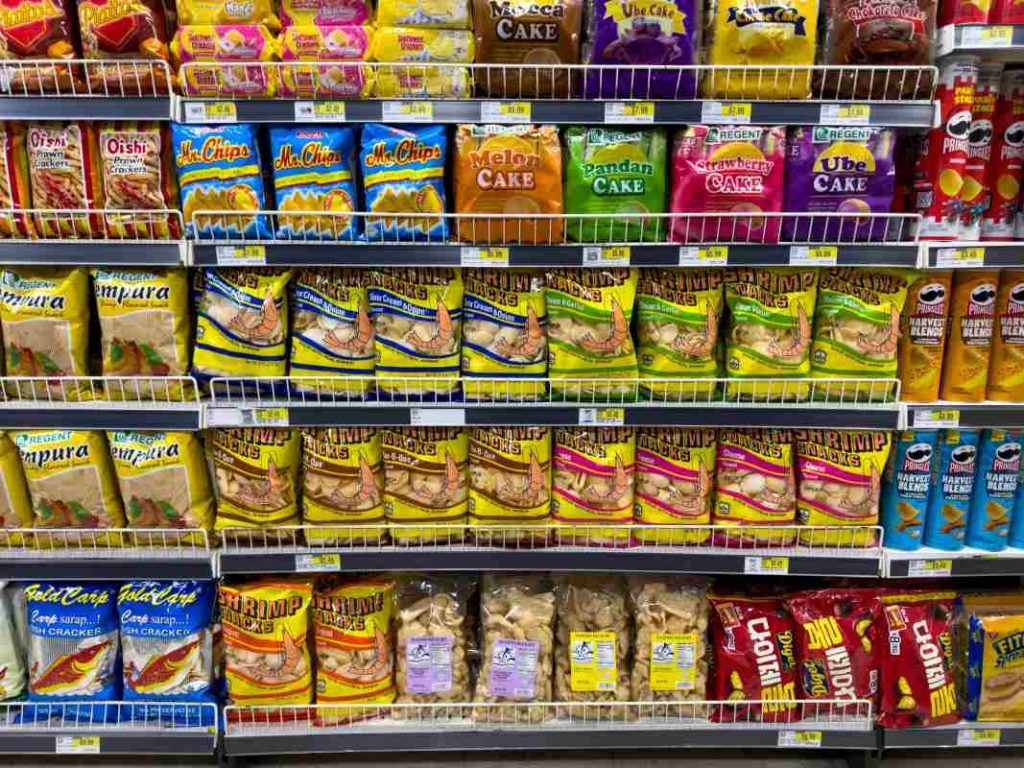
Here are some other initiatives that snack brands are taking to help them win over consumers who prefer green products:
- Carbon Labeling: To reassure buyers that their products qualify as low-impact snack foods, some manufacturers print the carbon score on labels.
- Upcycled Snacks: Some snack brands are capturing market share by using food ingredients that would otherwise go to waste. A good example is making chewy treats from spent grains retrieved from breweries.
- Smaller Footprints Through Local Sourcing: Some manufacturers are also shifting to ethical ingredients and responsible sourcing to make their snacks more sustainable. Replacing long-haul ingredients with local alternatives makes this possible.
- Transparency Reporting: Sustainable food choices are slowly becoming a major determinant of consumers’ snack buys. So, snack brands are engaging in clean-label practices and also use it as a selling point.
The Trade-Offs Consumers Rarely See
Interestingly, green food trends are not all pros. There are often trade-offs that manufacturers choose not to disclose. This section will examine some of the unspoken trade-offs likely to come with sustainable snacking.
Greenwashing Risks
Inevitably, some snack brands will not follow the guiding ethos of clean-label manufacturing. Greenwashing could also plague green food trends if regulators don’t monitor snack manufacturing operations.
Health and Sustainability
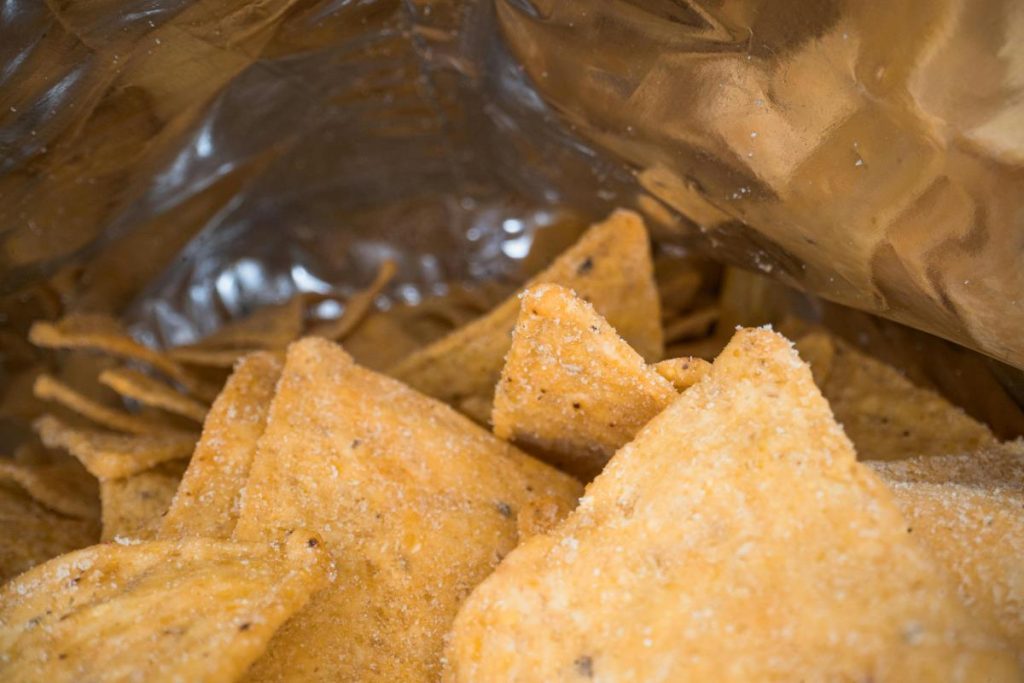
A snack may be sustainable by one of the metrics discussed earlier. However, if the so-called ‘sustainable snack’ is ultra-processed or uses some unethical ingredients, it may turn out to be unhealthy.
Cost and Accessibility
The eco-friendliness of a snack does not automatically translate to accessibility. Also, where sustainable snacking is accessible, some consumers may find it unaffordable. No matter how sustainable a snack may be, if only the wealthy can buy it, its environmental impact may be relatively higher.
Shelf Life and Waste
Snacks made from upcycled waste food materials may not be as shelf-stable as those made with fresh produce. Also, snack manufacturers may not disclose if their sustainable products generate as much packaging waste as regular brands.
Overall, sustainable snacking can be more nuanced than what meets the eye. Consequently, a sprinkle of critical thinking should help you distinguish the real deal from plain greenwashing. Also, it may sometimes be pointless to go out of your way to buy ‘sustainable snacks’ when regular brands are much healthier and accessible.
ALSO READ: The Business of Diwali Snacks: How Indian Food Brands Cash In on the Festival of Lights
Can Snacking Ever Be Truly Sustainable?
It may be impossible to formulate and produce a snack that is 100% sustainable. You know, one with a life-cycle assessment revealing that it generates zero waste and has a perfect sustainability score.
In reality, the average snack manufacturer will acknowledge that green food trends are subject to incremental improvement. Existing formulations will be improved to meet consumer demands and prevailing realities.
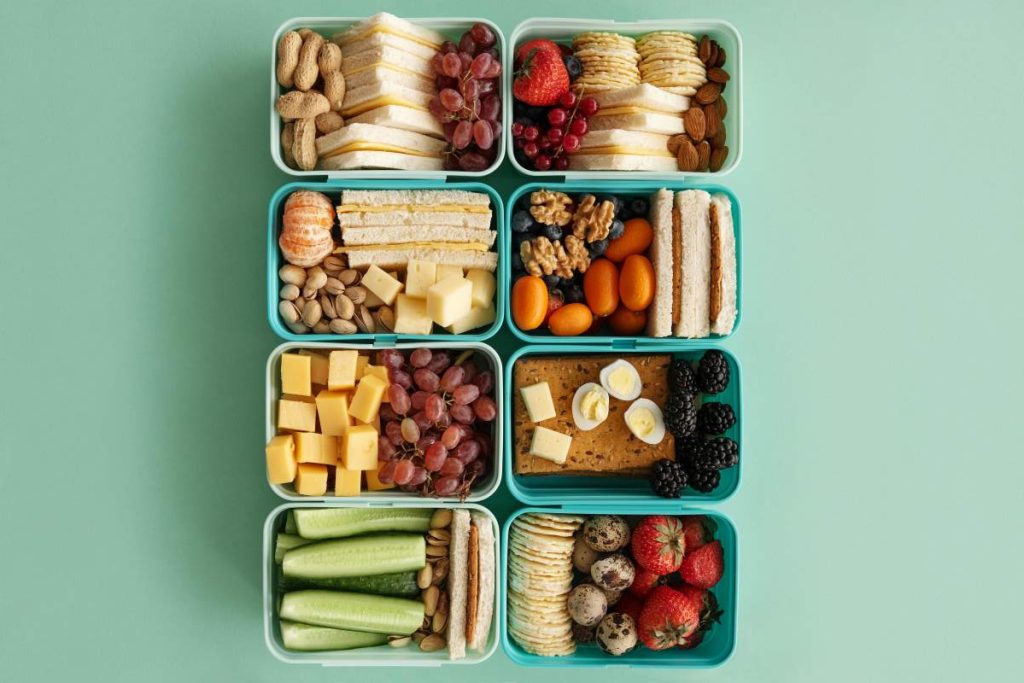
Also, most consumers need to adapt before embracing products that come with green food trends. Take the idea of converting banana peels into vegan bacon as an example. Most likely, some consumers will turn down vegan bacon and stick with the pork variant.
Key Takeaway
Judging by the points in this piece, sustainable snacking is achievable. However, it is necessary to understand its nuances and limitations. Speaking of limitations, manufacturers of snacks are more aware and can equally keep consumers informed by practicing label transparency. Finally, it is necessary to strike an environmental and social balance while striving to nail sustainable snacks. The customer acceptability and financial success of sustainable snacks depend heavily on this balance.
ABOUT THE AUTHOR

Babatunde Olufemi is a food scientist, educator, and science-based food writer with academic and practical exposure to food processing, nutrition, food safety, and the global food industry. Through Quill of Grubs, he breaks down complex food science topics into clear, accessible explanations for everyday readers, students, and professionals.