








Beyond diet intentionality and paying attention to the nutrient density of what you eat, assessing the sustainability cost of superfoods on your plate is equally necessary. Capitalism has improved the standard of living in several Western nations over the years. Similarly, people in such countries can make better food choices thanks to their buying power. Consequently, this has phenomenally driven demand for superfoods in such places.
Interestingly, some superfoods are not even cultivated by the developed economies of the world and have to be hauled across several miles. Though celebrated for their nutrition, very few consider the social and environmental impact of these superfoods.
While some food influencers have raised the alarm about the environmental impact, the complexities involved are seldom addressed. Which is why this article will discuss the carbon footprint of superfoods and how readers can make ethical food choices. Tag along!
What Exactly Makes a Food a “Superfood”?
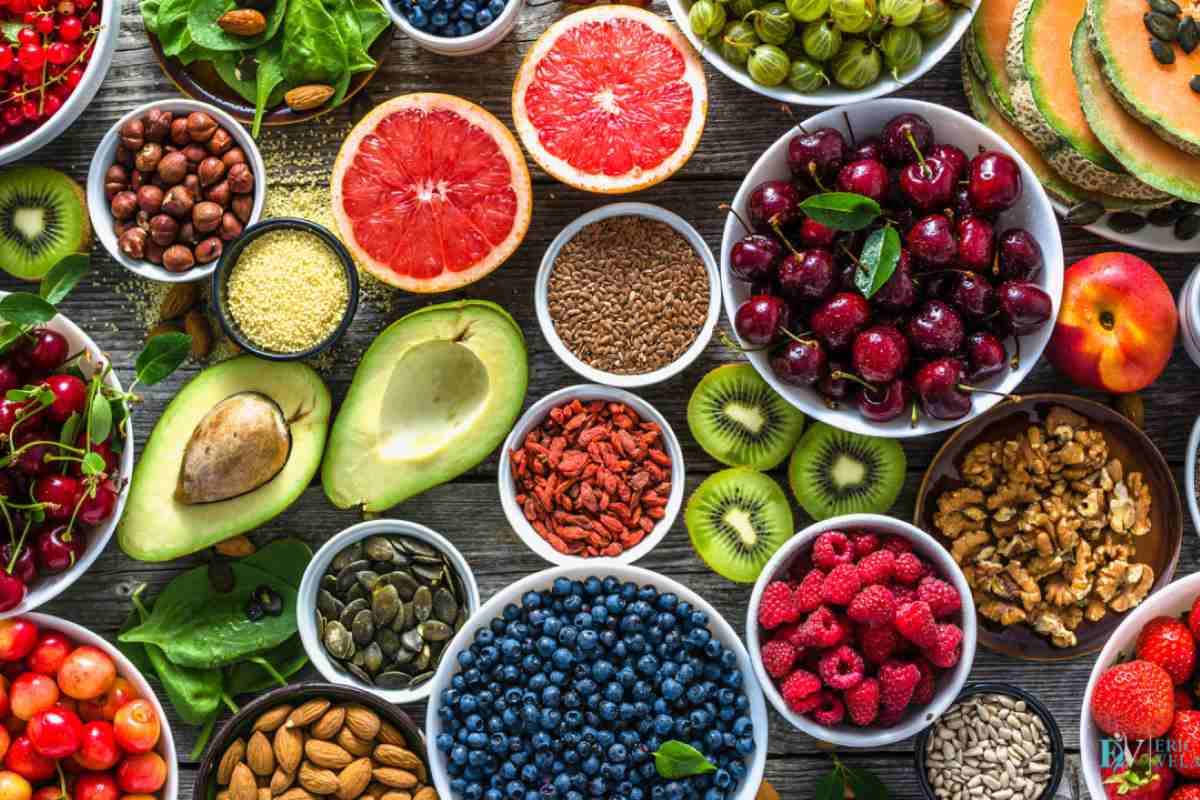
It is necessary to clarify upfront that there is no scientific consensus of what qualifies as a superfood. Albeit, it is a term popularized by marketing campaigns of Big Food companies. Contextually, superfoods are food items that have been found to contain a high concentration of beneficial nutrients. Superfoods are often, but not always, plant-based and are a rich source of either fiber, antioxidants, minerals, vitamins, or healthy fats.
If food items like acai, chia, blueberries, quinoa, strawberries, etc., were only grown and consumed locally, discussions about the sustainability cost of superfoods may be unnecessary. However, there’s a global demand for these food items. Consequently, most superfoods are air-freighted produce, which racks up massive food miles and carbon footprint. Global food transport has become a lucrative business, albeit at the expense of climate change and biodiversity loss.
ALSO READ: Plant-Based Seafood: The Next Big Wave in Alternative Proteins
The Carbon Footprint of Flying Superfoods Around the World
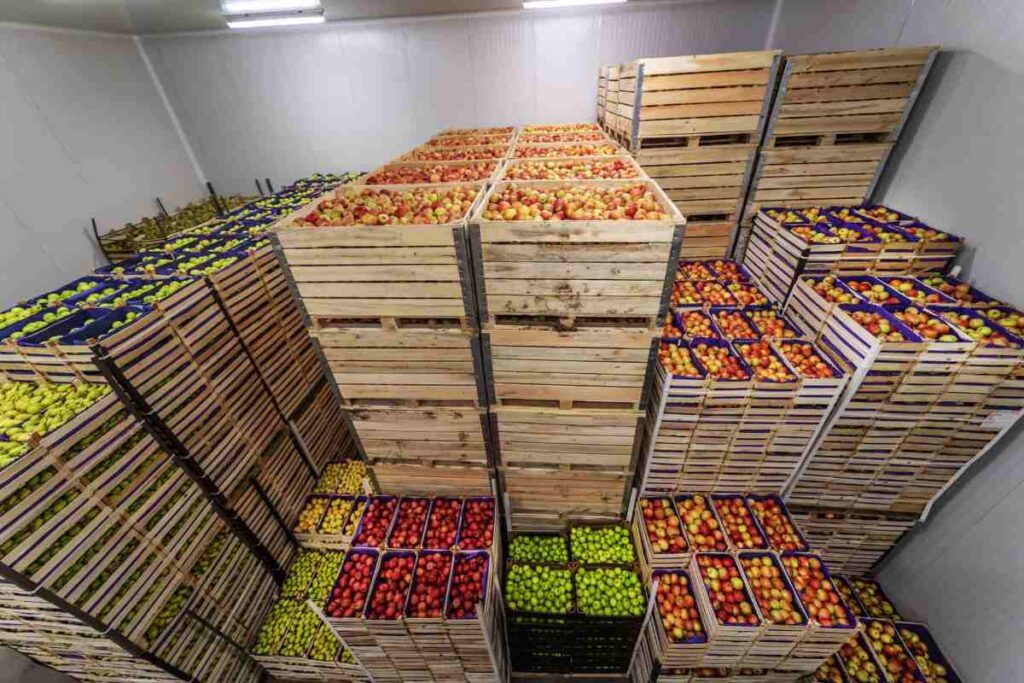
Still wondering why environmental trade-offs have become a major problem with superfoods? Hang in there for a brief explainer. So, it turns out that some superfoods are delicate, meaning they are highly perishable and require refrigerated transport. Common examples of such delicate superfoods are avocados, fresh berries, goji berries and acai. Now, you can imagine how impractical it would be to haul such produce with sealiners. This explains why most superfoods available in stores are mostly air-freighted produce.

Peruvian asparagus is a delicacy in the United Kingdom, but is usually air-freighted. The food miles of superfoods can translate to up to 50X the emissions of locally grown alternatives. To reduce the sustainability cost of superfoods, experts have proposed local cultivation where possible. Likewise, health-conscious food consumers can go for locally available sustainable superfood alternatives. For instance, strawberries are not native to the tropics, but Nigerian farmers have managed to cultivate them on the Jos Plateau.
However, it is necessary to point out that the food miles of superfoods are not the only contributor to their carbon footprint. In some instances, local production emissions in a bid to cut global food transport may equally contribute to the sustainability cost of superfoods.
When Superfoods Trigger Monocultures and Biodiversity Loss
Another challenge that superfoods may pose to the ecosystem is that they inspire investment in monoculture farming. This involves cultivation of a single economically viable crop across a large expanse of land. Though economically viable, such agricultural practices could lead to biodiversity loss, soil nutrient depletion, and crop pests and disease vulnerabilities.
There are several examples of the eco impact of monoculture farming around the world. In Mexico, for example, the monoculture cultivation of avocados has been scientifically proven to topple the ecological balance. A study found that avocado plantations are threatening the natural habitats of monarch butterflies in the North American country. Similarly, demand for quinoa, another superfood, has been found to contribute to the disruption of crop diversity in the Andes.
Also, awareness of the nutritional benefits of acai has caused an increase in its cultivation in the Amazon. By extension, the increase in the density of acai palm has been scientifically proven to alter the biodiversity in the Amazonian forest.
Monoculture farming is not bad in itself; it’s just a case of creating another problem while trying to solve another. There are a handful of reasons why monoculture farming of superfoods could be a problem for the ecosystem.
1. Makes the ecosystem more fragile
The case of acai cultivation in the Amazon is a good example here. Even in its natural, unspoiled form, the Amazon region remains a fragile ecosystem. Now imagine a massive clearing of the forest for monoculture farming in such regions.
2. Increases pesticide use
Agronomy involves soil management and crop management, usually for profit-making. So, farmers naturally do whatever is necessary and cost-effective to protect their investment. Sometimes, monoculture farming requires the use of pesticides, whose production and use contribute to the sustainability cost of superfoods.
3. Reduces biodiversity
For one, cultivating a single superfood across several hectares will inevitably alter the biodiversity of crops in the area. Unfortunately, it doesn’t stop there. Animal species that depended on the biodiversity of the pristine land converted to farmland are likely to lose their livelihood.
4. Exhausts the soil’s vitality
One of the beneficial practices of regenerative farming is mixed cropping. This practice involves the rotation of crops being cultivated on a piece of land to ensure nutrient replenishment. However, such philosophies are seldom applicable in the monoculture cultivation of superfoods. Consequently, the nutrient profile of the soil depletes significantly over the years.
Social Impact: Local Communities Feel the Strain
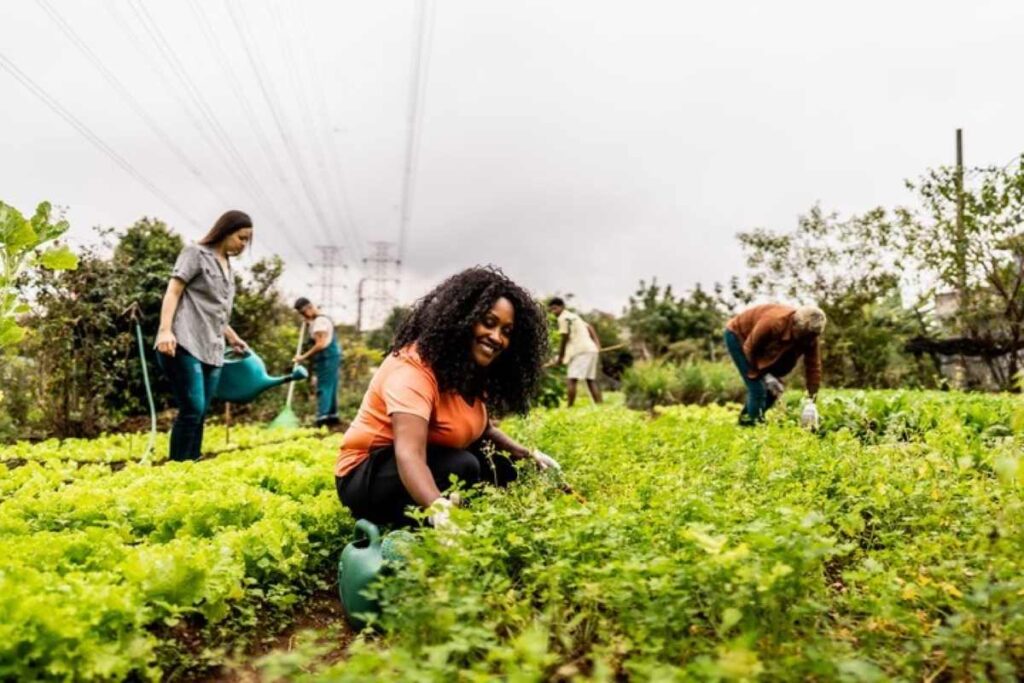
Beyond the eco impact of quinoa, chia, acai, and other superfoods, local communities also endure multiple backlashes. Now, being the producers of the superfoods, it is natural to expect that they would enjoy the produce more. Unfortunately, as the global crop demand for these commodities increases, farmers find it more economically viable to export than sell locally. Consequently, the global demand for superfoods makes these staples unaffordable for local consumers. At one time, quinoa was way cheaper than rice in Peru. However, thanks to global demand, the superfood has become very expensive in the South American country.
Interestingly, the farmers who favor the export of superfoods to local sales are often short-changed by players along the supply chain. For clarity, it is common knowledge that exporters make more from the international trade of superfoods than the farmers.
Finally, there’s also the case of the hidden water footprint of some superfoods. The avocado agribusiness, for instance, is touted as requiring so much water that it often triggers bouts of water scarcity in host communities.
Are Imported Superfoods Always Unsustainable? Not Necessarily
The sustainability cost of superfoods, as highlighted in this piece, is not always common to all farmers. Occasionally, you may find outliers who try in whatever ways they can to reduce the carbon footprint of their superfood business. For instance, some superfood farmers observe sustainable practices like regenerative farming. Sometimes, importers and retailers of superfoods prioritize ethical sourcing.
Also, since the global West is one ot the most economically viable markets for superfoods, more farmers are obtaining sustainability certifications. Consequently, food chains are likely to ask importers if they have, say, a Rainforest Alliance, Fairtrade, or a similar certification, before sealing a supply deal.
Similarly, some suppliers are making ethical sourcing a selling point for their business. So, beyond ensuring sustainable practices in the cultivation of superfoods, some suppliers also make sure to empower smallholder farmers. This empowerment may come in the form of fair pricing for the farmers’ commodities or co-op-based export systems that have a lion’s share of the profits going to the farmers.
ALSO READ: Are Your “Eco-Friendly” Groceries Really Sustainable? Here’s How to Tell
How to Choose Superfoods More Sustainably
Consumers around the globe can also help reduce the sustainability cost of superfoods. Here are a few ways you can help reduce unsustainable practices in the global value chain of superfoods:
- Reduce waste by opting for superfood brands with sustainable packaging or an option for sales point refill.
- Buy from brands that support ethical sourcing and smallholder cooperatives.
- Look out for superfoods with organic or regenerative farming certifications.
- Consider brands that are transparent about their food supply chain by incorporating traceability features.
- Go for local alternatives where possible.
Key Takeaway
Summarily, superfoods are far from bad, no. Indeed, foods classified in this niche by food marketers are usually rich in particular nutrients and are often good for your health. The bottleneck only arises when these foods are cultivated or transported using methods with high environmental impacts. So, next time you stumble upon some trendy food, a little due diligence would do a world of good.
The more we understand the global journey of our food, the more power we have to choose wisely.
ABOUT THE AUTHOR

Babatunde Olufemi is a food scientist, educator, and science-based food writer with academic and practical exposure to food processing, nutrition, food safety, and the global food industry. Through Quill of Grubs, he breaks down complex food science topics into clear, accessible explanations for everyday readers, students, and professionals.