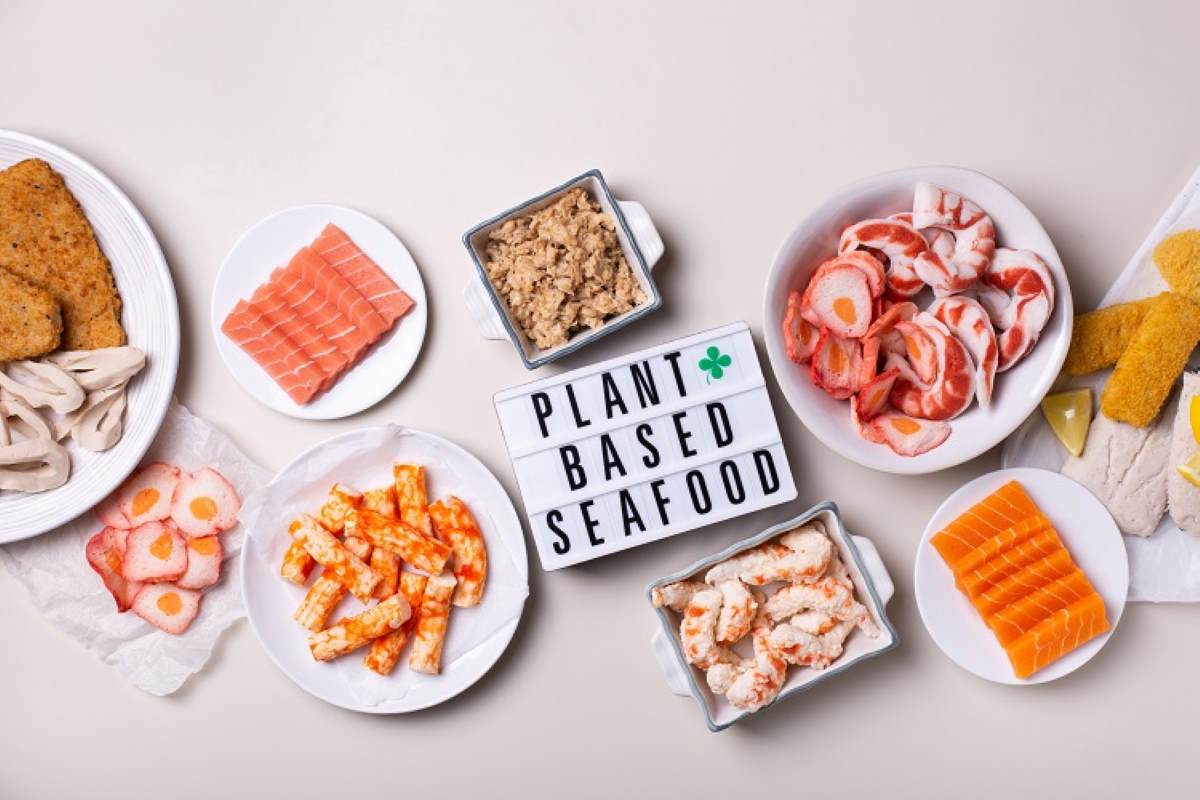









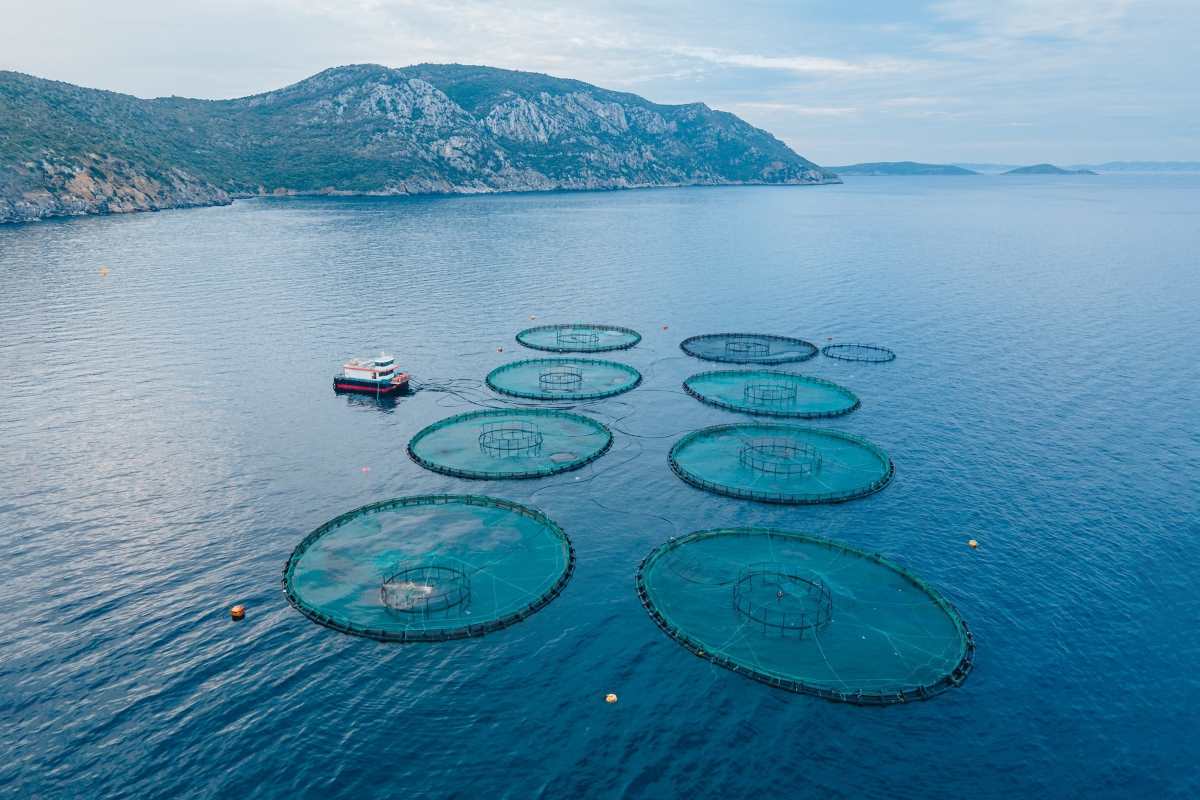
The selling points of regenerative aquaculture are those that distinguish it from conventional aquaculture. While some traditional aquaculture practices have been criticized as unsustainable, ocean-friendly aquaculture aims to address these concerns. For one, it cuts down pollution and sustains the natural resources in the ecosystem.
Unlike conventional aquaculture, advocates of sustainable fish farming claim they can reduce resource depletion and even restore them. Indeed, climate change advocacy groups are selling regenerative aquaculture as one of the biodiversity solutions to the climate crisis.
The goal of this piece is to examine whether ecological aquaculture is as sustainable as its advocates claim it to be. Join us on this journey to discover marine farming innovations.
What Is Regenerative Aquaculture?
Regenerative aquaculture is the sum total of multiple sustainable practices that have recently been introduced to seafood production. The goal of this holistic approach to aquatic farming is to boost the health of the marine ecosystem. So, as seafood is being produced to ensure food security, this ecological aquaculture offers other benefits simultaneously. For instance, it promises to improve the health of the marine ecosystem, and by extension, the Earth’s climate.
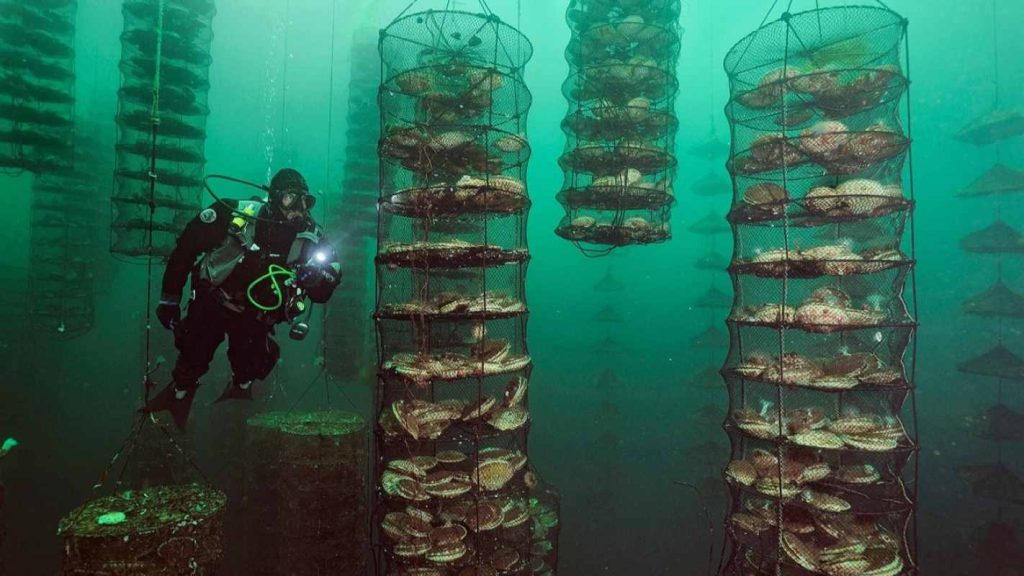
Another moniker for this marine farming innovation is low-impact aquaculture. This was acquired from its focus on aquatic species that require low inputs and minimal resource extraction. In addition, ocean-friendly aquaculture often includes farming practices that strive to mimic natural systems, making marine regeneration practicable. For instance, growing fish as part of ocean-friendly aquaculture discourages the use of artificial feed. In contrast, industrial fish farming, even those set up in offshore facilities, may be harmful to the environment.
ALSO READ: Plant-Based Seafood: The Next Big Wave in Alternative Proteins
How It Works: Farming With Nature, Not Against It
If you are still wondering why advocates of regenerative aquaculture tout it as sustainable, wonder no more. Ocean-friendly aquaculture often involves growing multiple aquatic species. What this does is to induce a subtle symbiotic dependency. In simple terms, nutrient cycling inevitably occurs when you grow species like seaweed, shellfish, oyster, mussel, and fish in proximity. Such sustainable seafood systems make aquaculture possible with minimal human intervention.
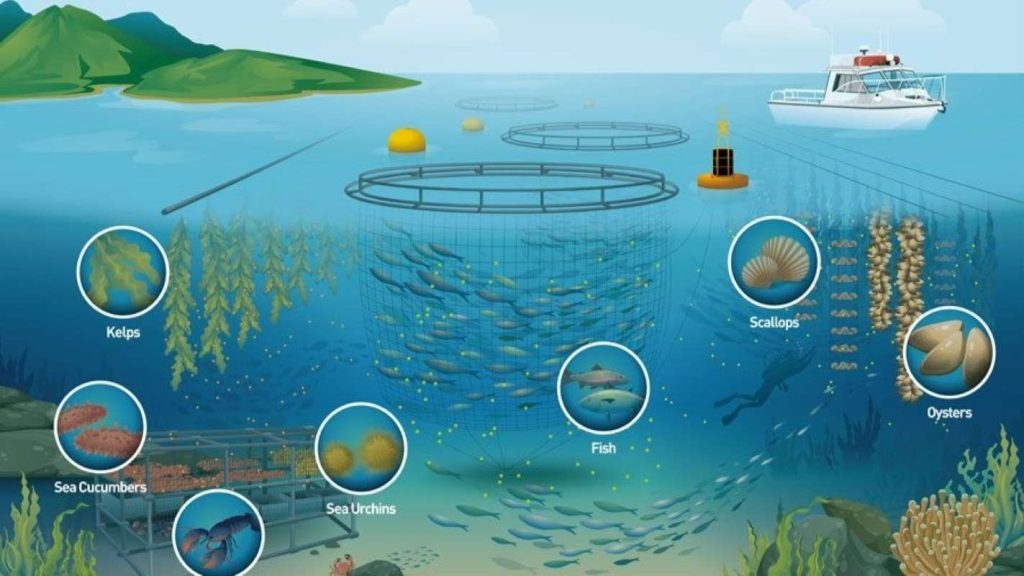
Now, to the key underlying principles that explain how ocean-friendly aquaculture can aid biodiversity recovery. For instance, the National Oceanic and Atmospheric Administration (NOAA) have stated that shellfish farming (mussels and oysters) possesses the potential to trigger a domino effect of ocean regeneration. In addition, shellfish restoration reduces excess nutrient levels, filters water, and improves clarity in water bodies.
Another piece of the blue economy food systems is seaweed farming. Growing vast seaweed vegetations improves the carbon sequestration capabilities of aquaculture facilities. Seaweed farming benefits are innumerable, including the provision of habitat for aquatic wildlife. Also, it does not require freshwater, feed or fertilizer for optimum growth. In addition, blue economy experts are starting to consider seaweed farms as promising carbon and nitrogen sinks.
Environmental Benefits: What the Science Shows
Beyond speculations by industry watchers and advocates, this section spotlights evidence-based benefits of regenerative aquaculture.
1. Enhances Biodiversity
In the recent past, the marine ecosystem has experienced some imbalance due to climate change. Species that cannot tolerate the sharp changes in climatic realities are dying or migrating. However, a recent study funded by the Nature Conservancy and the Builder’s Initiative discovered that the adoption of ocean-friendly aquacultural practices can boost ocean regeneration and coastal resilience.
2. Reduces Coastal Eutrophication
Coastal Eutrophication is the excessive concentration of nutrients in a water body. This should be a good thing for the environment, no? Well, the answer is ‘no,’ as eutrophication encourages vegetation growth on the coast. In 2021, a team of Chinese environmental scientists found that growing seaweed can reduce coastal eutrophication significantly.
3. Aids Habitat Restoration
Australia’s Great Barrier Reef has been a case study of how climate change can affect aquatic habitats. Coral reefs are receding, and fish species that make the aquatic formation their home are now rarely sighted. However, a team of Kenyan researchers published a review on this subject, polling multiple scientific studies. This review paper suggests that ocean-friendly aquaculture could help create climate-resilient food systems through ocean regeneration.
4. Possesses Potential for Carbon Sequestration
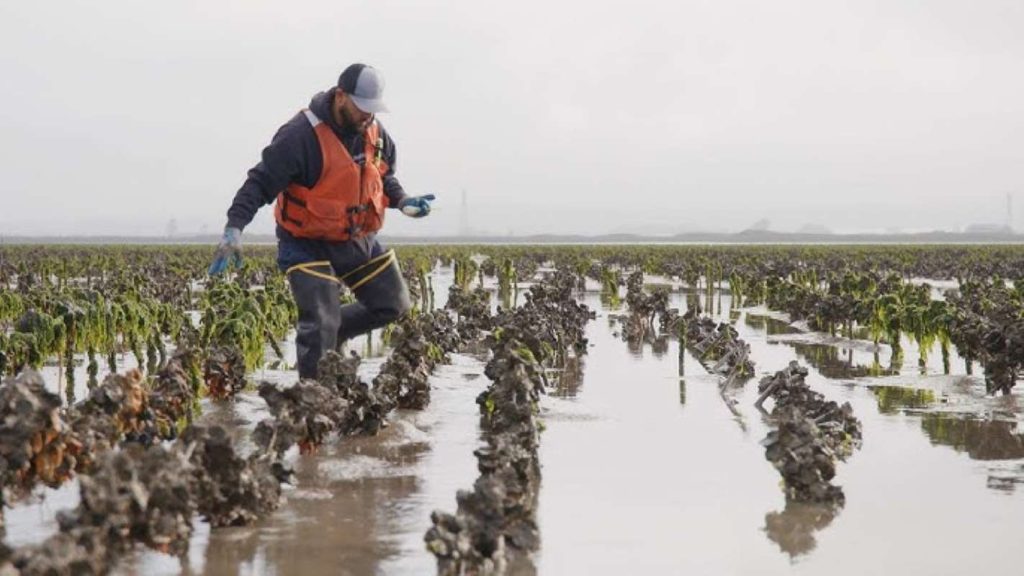
Carbon sequestration is the capture and storage of atmospheric carbon dioxide (CO2), reducing the greenhouse effect. Multiple studies have identified shellfish farming as a veritable method of mitigating emissions.
5. Improves Water Quality
Shellfish and seaweed farming do a world of good for water quality. Several research studies have identified multiple mechanisms that help achieve this. For instance, there’s biofiltration, involving organisms at various trophic levels. Seaweeds have also been found to oxygenate water bodies and disrupt the growth of invasive algae colonies.
The Limitations and Criticisms of Ocean-Friendly Aquaculture
So far, the spotlight has been on how regenerative aquaculture can help sustain climate-resilient food systems. Now, a quick look at some of its inexcusable drawbacks.
- Greenwashing Risks: Trust humans to always overflog some initiatives with commercial benefits, and downplaying its drawbacks. Low-input aquaculture can be very beneficial to the environment, yes. But it is always best to help adopters understand its accompanying limitations.
- Risk of Overexpansion: You’ve probably seen that meme that suggests reducing the grill time of chicken and increasing the oven temperature will get your meat burnt. This is a perfect analogy for the unchecked expansion of blue economy food systems. In nature, biodiversity recovery takes time; initiative is not enough. Indeed, rapid initiative can be counterproductive.
- Marine Spatial Conflicts: As good as initiatives of marine regeneration initiatives can be, they still contest for limited marine and coastal spaces. That low-input fish farm may as well become a rich and biodiverse haven for native marine species, if left undisturbed.
- Regulatory Challenges: In some regions, local marine authorities are struggling to keep abreast of marine farming innovations. Consequently, inadequacies often creep in concerning the regulation of some of these initiatives.
- Regional Suitability: Field studies have found that ocean-friendly aquacultural initiatives yield varying results in different parts of the world. So, the benefits are not evenly distributed for all water bodies and marine ecosystems.
ALSO READ: Superfoods or Super Strain? The True Eco Impact of Global Superfood Trends
Can Regenerative Aquaculture Scale Responsibly?
Artificial intelligence offers innumerable benefits to the technological world. Nonetheless, experts are raising their brows to the potential wrong exploitation of artificial general intelligence (AGI), which is when it becomes a reality. Similarly, for ocean-friendly aquaculture to scale responsibly, a number of guardrails would need to be put in place. This will prevent inordinate commercial exploitation of the sustainable seafood systems.

Speaking of guardrails, they can come in any of the following forms:
- Governments and NGOs should provide not only support, but also regulatory checks.
- Research teams should actively provide scientific perspectives and recommendations for the improvement of marine regeneration initiatives.
- Certifications will need to be created for facilitators looking to go commercial.
- Policy frameworks are also required to outline best practices in the marine biodiversity recovery industry.
When done right, regenerative aquaculture promises genuine ecological benefits for local coastlines and the entire planet. However, field trials revealed it is not a universal solution to imbalances in the marine ecosystem. Iterations of scientific research, practical implementation, transparency, and responsible scaling should make the goals of sustainable fish farming achievable.
ABOUT THE AUTHOR

Babatunde Olufemi is a food scientist, educator, and science-based food writer with academic and practical exposure to food processing, nutrition, food safety, and the global food industry. Through Quill of Grubs, he breaks down complex food science topics into clear, accessible explanations for everyday readers, students, and professionals.