








Medieval feasts are far removed from what applies in the twenty-first century. Interestingly, many of these medieval dining customs have influenced modern dining habits.
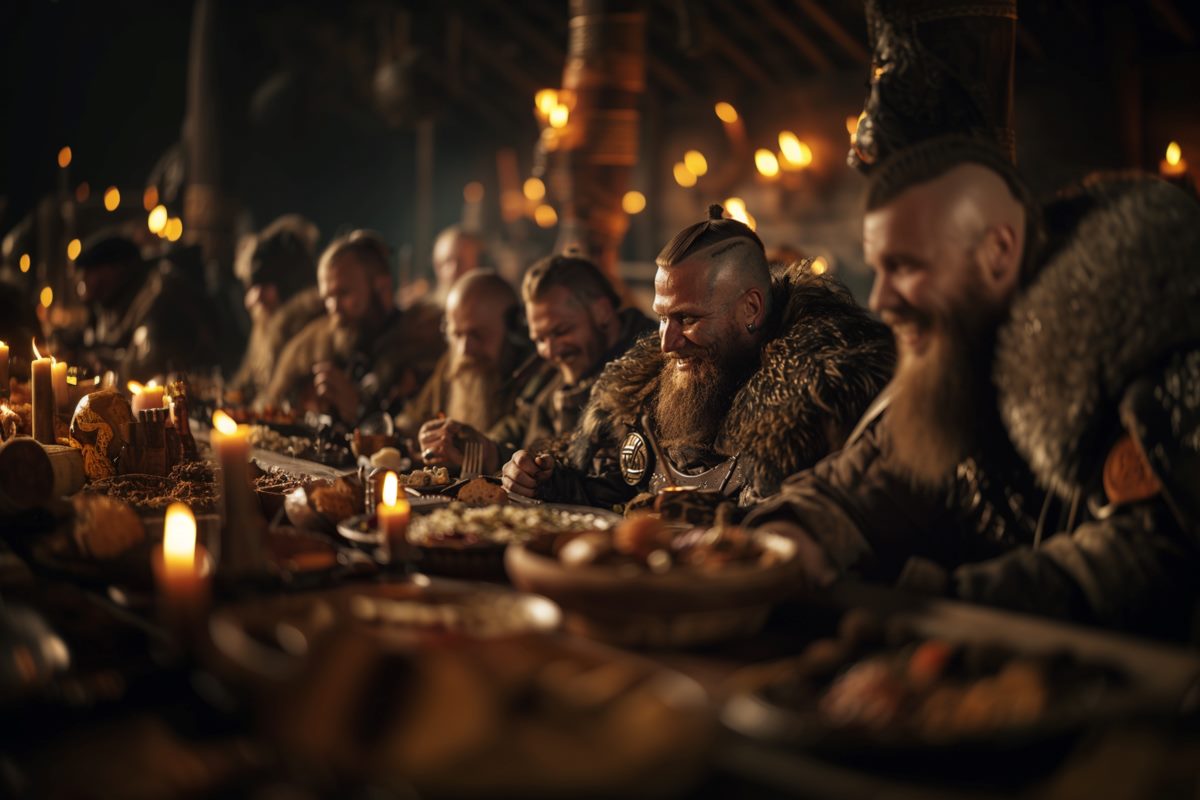
Try to visualize long tables lit by firelight, with towering dishes arriving in quick succession, and minstrels providing entertainment. However, contrary to the myths popularized by mainstream media about medieval banquets, these feasts were largely symbolic, structured and politically charged.
This article will dive into the history of feasting and dispel enduring myths about medieval food and historical gastronomy. So, welcome to an immersive ride through the banquet traditions of Europe’s 10th to 15th centuries. Hold on to your horsecarts!
Feasts Were Political, Not Just Culinary
Unlike today, when parents throw a Thanksgiving feast for their kids and the extended family, medieval feasts were largely politically motivated. Due to the sheer cost of hosting medieval banquets, the end was always poised to justify the means. So, such medieval banquets were strictly organized to celebrate notable events like royal births, treaties, weddings, alliances, and political milestones.
Another notable attribute of medieval banquets was the seat placement, an apparent communication of power hierarchy. In the 12th century, sitting in the wrong place during a banquet was enough reason to get an individual executed. Indeed, the closer a guest sits to the host, or lord and lady of the house, the higher their status and sphere of influence.
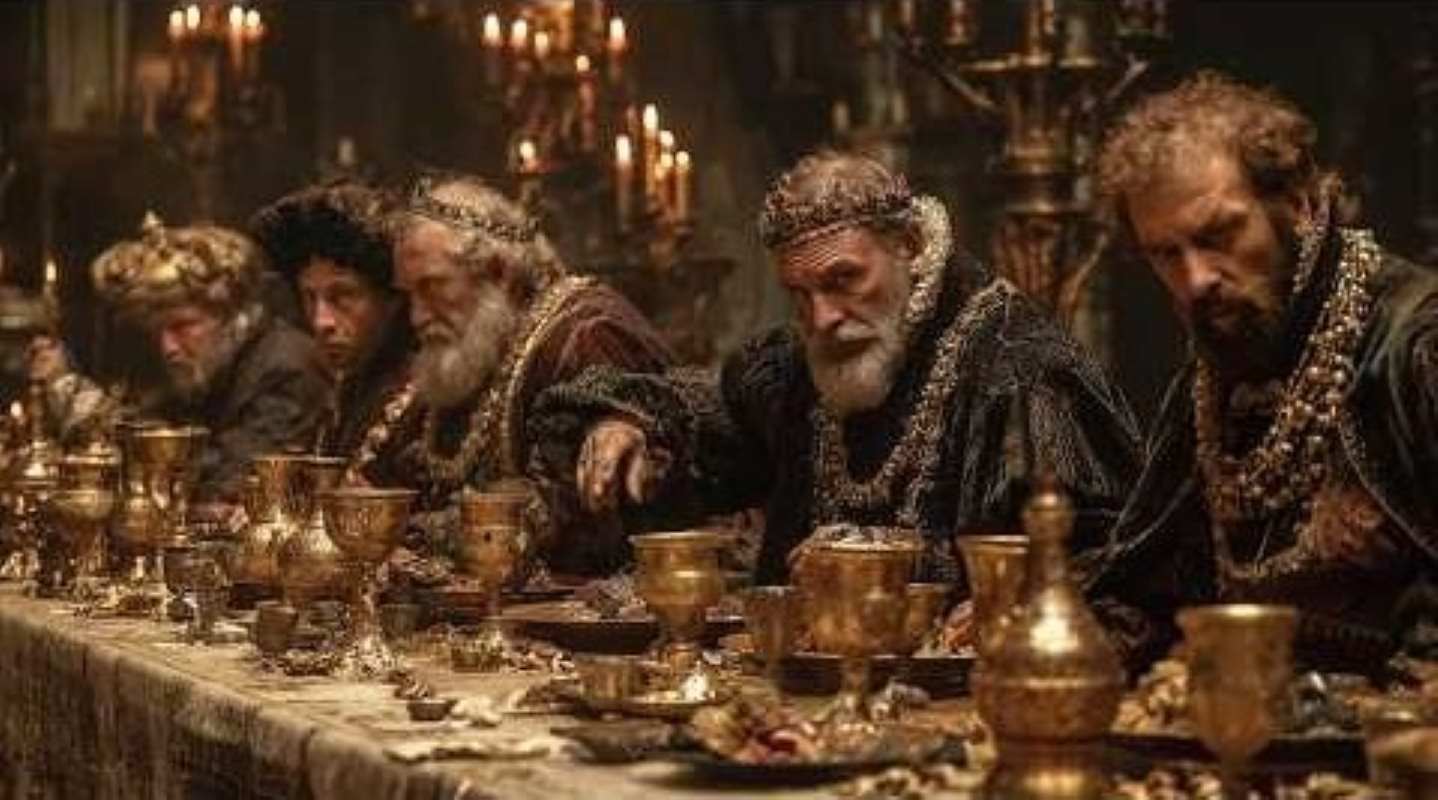
Remember how President Donald Trump recently hosted Saudi Arabia’s crown prince at the White House and had top tech CEOs and industry moguls in attendance. In 21st-century parlance, that would probably be the closest analogy we have of what courtly dining looks like. There’s more to such gatherings than the courses served. More often than not, the invitees are selected based on political favor; either prospective or retrospective.
It was said of King Solomon in the biblical annals that he threw great feasts in honor of Queen Sheba during the latter’s diplomatic visit to Jerusalem. In this case, the feasts were an obvious display of opulence and influence. I can imagine a medieval Lord throwing a feast and inviting the Sovereign of that province just to prove to warring pairs how far his influence reaches.
ALSO READ: The African Spice Routes: How West African Flavors Shaped Global Cuisine
What Was Actually Served? More Variety Than People Think
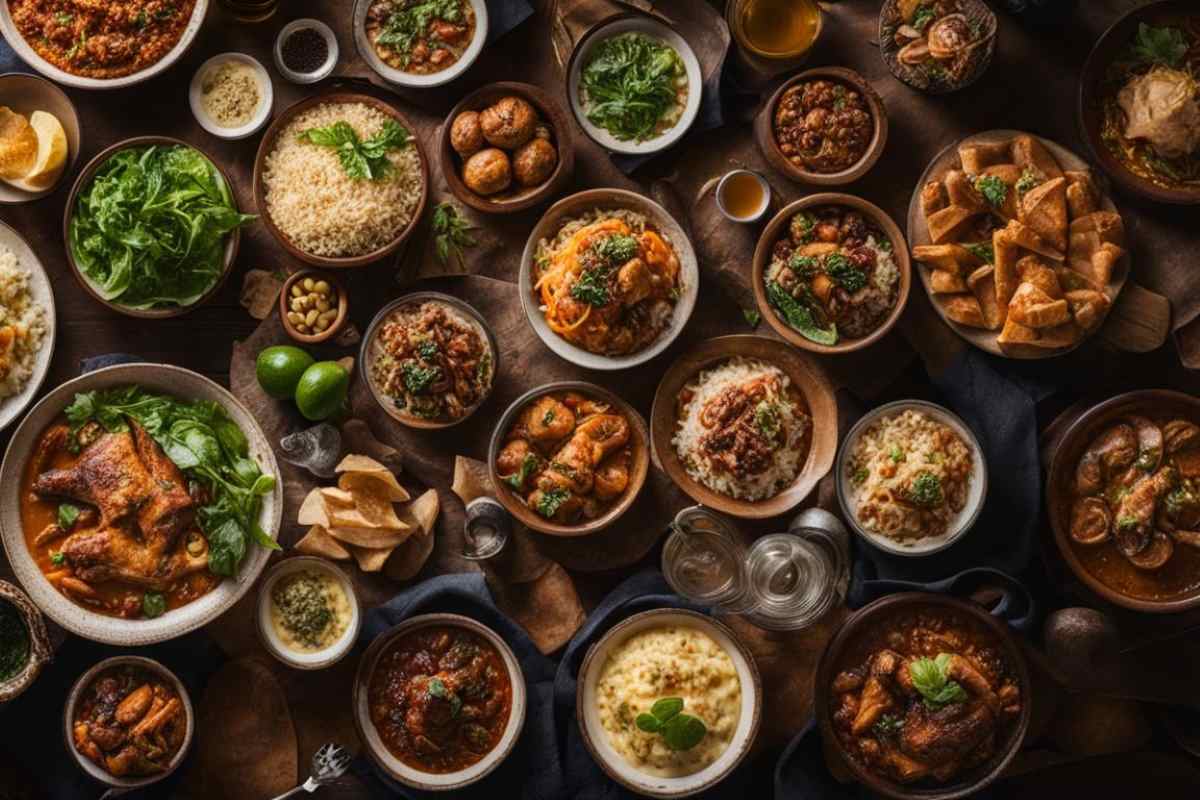
Royal feast culture did not offer narrow menus like modern feasts do. Indeed, medieval feasts seldom ever feature menus. Guests often have access to a vast array of helpings that attendant servers can help dispense at the slightest beckoning. Available dishes at medieval banquets were mostly designed to impress and delight guests. So, they are often complex, spiced dishes, accompanied by varieties of roast meat and pottage.
Common dishes that featured at the average medieval banquet are:
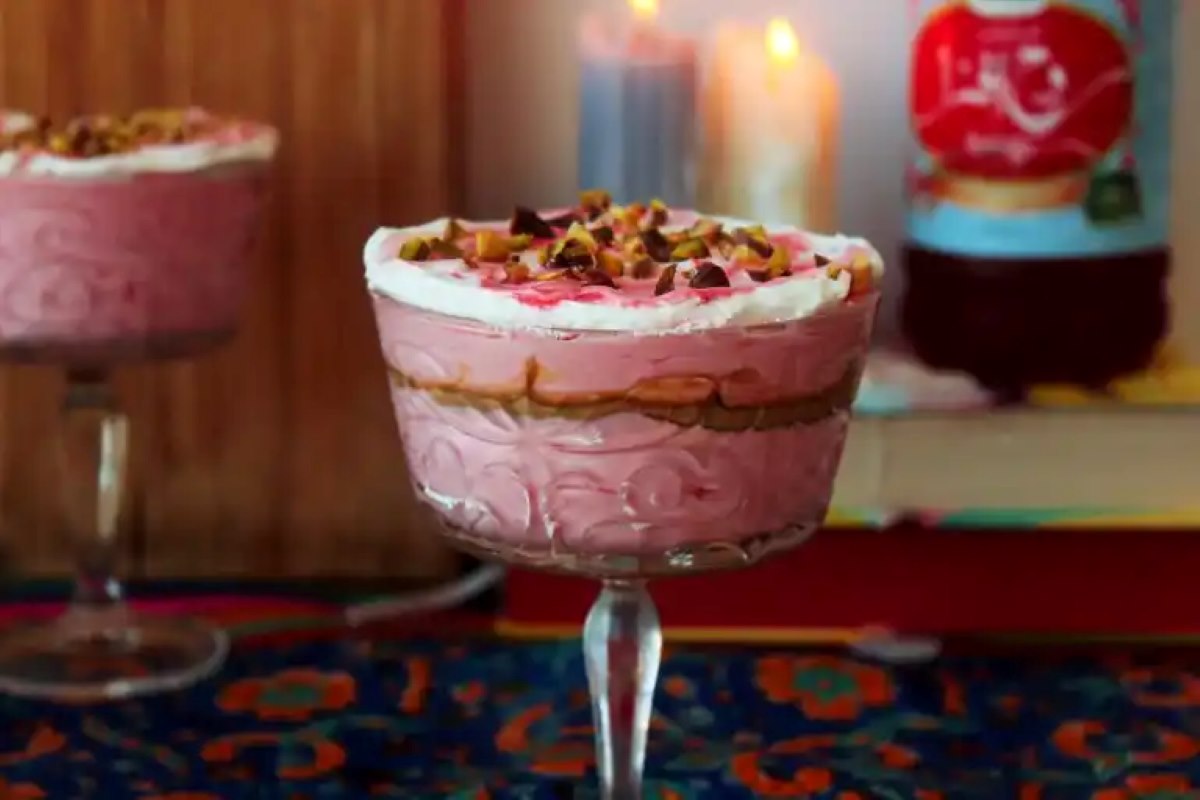
- Blancmange: something similar to present-day gelatin dessert.
- Frumenty: a viscous gruel like oats, but made from wheat.
- Pottage: Ancient staple food, made from a combination of grains, vegetables and fish or meat.
- Roasted Meat: BBQ has been around for a long time, albeit those of ancient feasts used a variety of venison and were usually heavily garnished.
- Fish and Seafood: During the Lenten period, fish and other seafoods supplement meat, an important part of medieval feasts, at the banquet table.
- Subtleties: These are elaborate art pieces that decorated feast tables, but are equally edible delicacies.
- Tarts and Pies: Pies and sweet tarts became common at courtly dining after it featured in King Henry IV’s coronation in 1399.
- Beverages: What’s a good meal without some hearty beverage to help it along the way? Beer or dark ale, and sometimes mulled wine, is served at medieval banquets. Being a teetotaler was no excuse at such feasts.
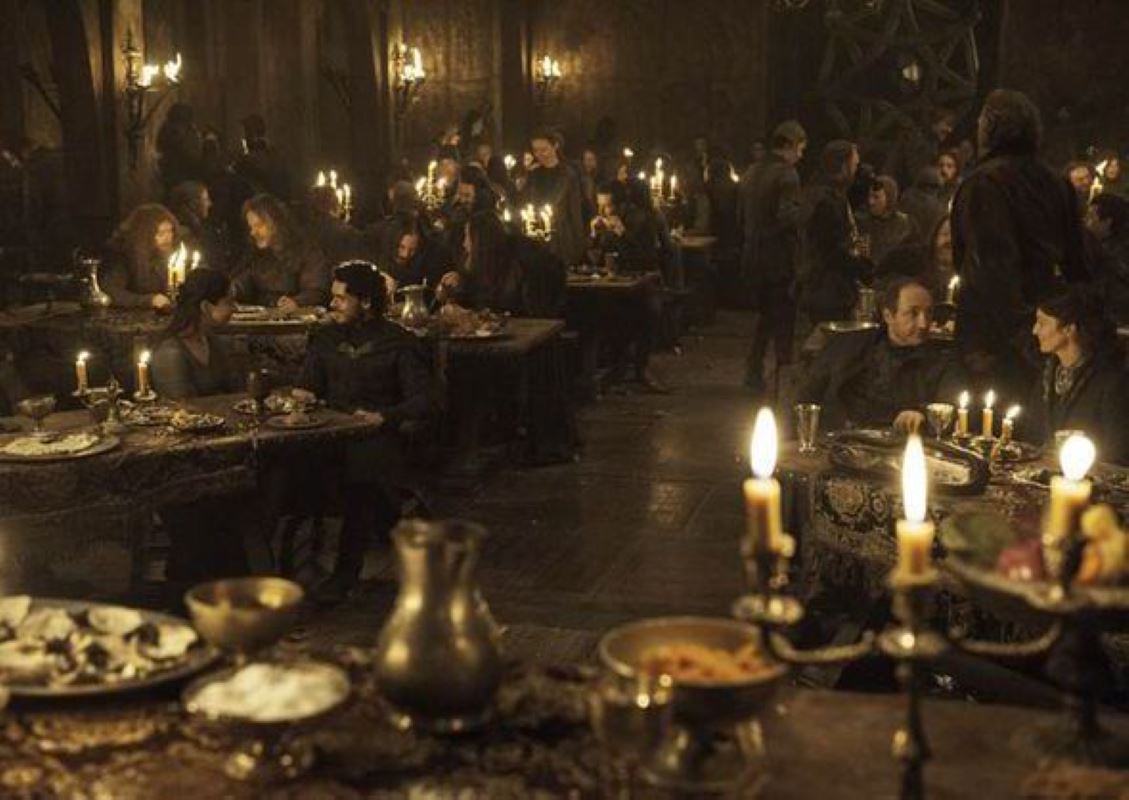
The pantries of castle kitchens in medieval times were like vaults because spices were once worth more than gold. For the same reason, spiced dishes were seen as exotic food. It was around this historical period that bread trenchers became popular for serving food.
Medieval “Food Art”: The Rise of the Subtlety
Food art was common at medieval feasts, and usually came in a myriad of forms. Imagine having a large and elaborate pie placed in front of you, only to have a live bird pop out of it. Those were the kind of artistic entertainments provided at medieval banquets.
Various food materials were used in creating artistic contraptions, some edible and others solely for entertainment. For example, food arts like marzipan, sculpted sugar and pastry creations were commonplace.
Other popular arts of that period are animal recreations that involve the subtle slapping together of gold leaf, feathers, colored dyes, etcetera. Again, most food arts on display at courtly dinings were mostly for entertainment. However, some were typical specimens of food symbolism, often for passing nuanced messages that the host chose not to verbalize. Also, to keep guests from getting irritated by playing with their appetites, food arts were often served in between courses.
Dining Etiquette Was Surprisingly Strict
Imagine how nervous some of the servers who minded the table at the earlier cited White House dinner would have been. A slight gaffe by a kitchen staff member could result in a national embarrassment. Nonetheless, the social rules governing the hosting of medieval feasts and dining behaviors were stricter than is applicable today.
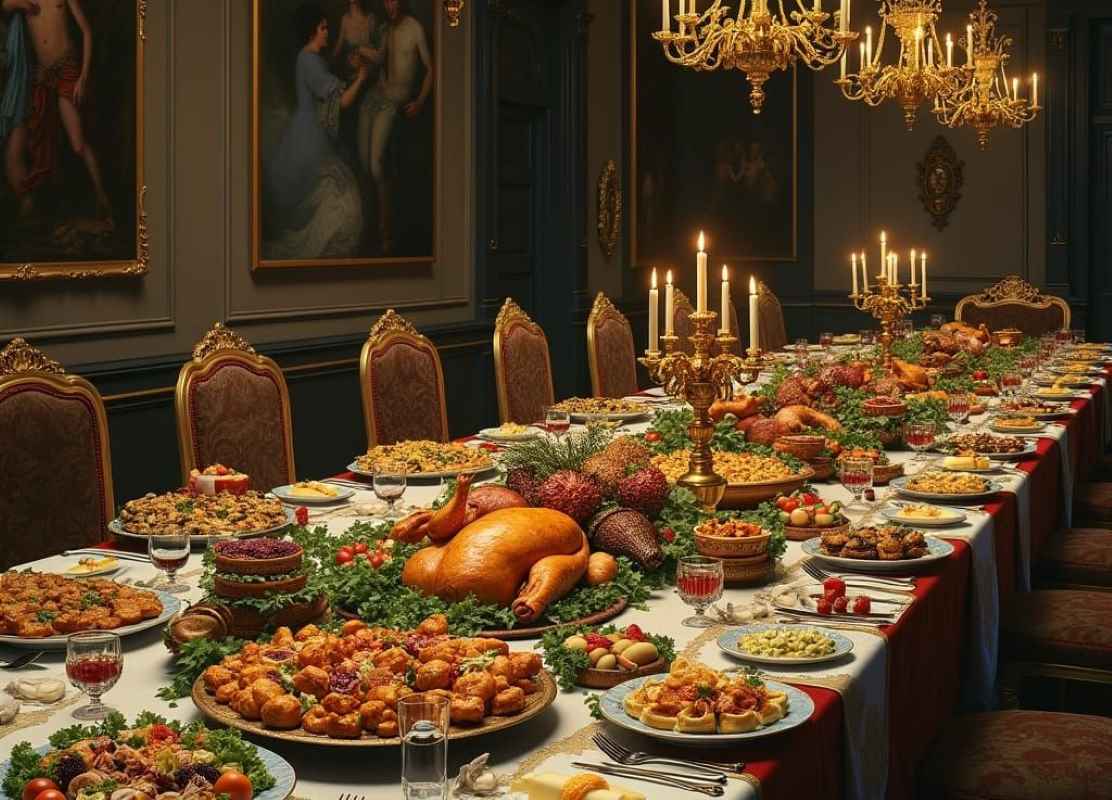
The following are a few rules that were usually unspoken in relation to medieval banquets, which people may see as ‘over the board’ today.
- Aristocrats hired tutors to train their kids in courtly dining etiquette, and even bought them ‘courtesy books.’
- It was inappropriate to reach across the table, tear bread incorrectly, or speak aloud.
- Washing of hands before and after meals was non-negotiable.
- Guests often shared trenchers and cups, of course, while maintaining hygiene and feast rituals.
A Medieval Feast Was Basically a Multi-Hour Performance
Because there was always more to medieval feasts than the mouth-watering meals, they were often long sessions with other social accompaniments. Depending on the occasion, the guests in attendance, and court protocol, medieval banquets may last 5 to 10 hours.
Religious or symbolic performances may also feature prominently. Indeed, this was one of the many occupations of Leonardo da Vinci during his long career in Europe. According to Walter Isaacson’s biography of Leonardo, the brain behind The Renaissance Man produced plays and performances that were often part of elaborate medieval banquets hosted by his aristocratic patrons.
Animal parades, poetic recitations, performances by dancers, jesters, jugglers and minstrels often made medieval feasts a fairly long affair.
The Kitchen: Where Organized Chaos Produced Royal Spectacle
Due to the long list of guests and assortment of dishes served, castle kitchens were often large and even sometimes sectioned. Dozens of staff had to keep the crank going and get all the planned dishes ready on time. Some medieval aristocratic households had separate rooms serving as a butchery, pastry house, roasting house, and boiling house. Albeit, all these remain part of the kitchen.
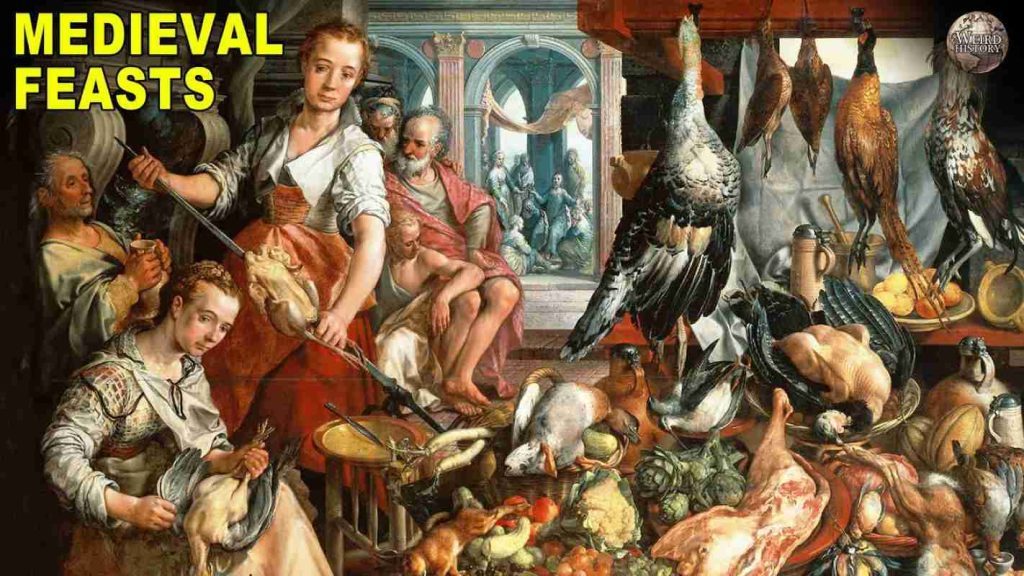
The sheer scale of most medieval feasts is something many would marvel at today. Think of a single kitchen having to prepare elaborate meals, multiple courses, for hundreds of guests. To make matters worse, just one guest suggesting they were not adequately served could become a serious and livelihood-threatening indictment for the kitchen manager.
ALSO READ: How Ultra-Processed Foods Alter Your Brain’s Reward System
Forgotten Influences on Modern Dining
Most people would read about some medieval feast rituals and consider some of the practices with aloofness. Meanwhile, many of the existing dining practices are largely offshoots of what ancient aristocrats did during feasts.
For example, some modern banquets are still stark reflections of medieval practices. Statehouse dinners in Russia, the United States, and the United Kingdom still follow some medieval etiquette, like seating charts and toasts.
Have you seen the huge and lengthy table that Vladimir Putin once used to host foreign diplomats? Those are not modern furniture designs, but were influenced by European medieval banquets. When next you attend a dinner, and meals are served in courses, remember that it is from medieval service à la française.
Many traditions of historical gastronomy have faded over the years, while some have slowly infiltrated modern dining. However, a lasting fact about medieval feasts is that they gave birth to culinary innovation, craftsmanship, politics, and artistic spectacle. Now, try to imagine yourself sitting in a large Gothic dining hall, lit by candles, as a long procession of extravagant dishes marches in.
ABOUT THE AUTHOR

Babatunde Olufemi is a food scientist, educator, and science-based food writer with academic and practical exposure to food processing, nutrition, food safety, and the global food industry. Through Quill of Grubs, he breaks down complex food science topics into clear, accessible explanations for everyday readers, students, and professionals.