









Natural food dyes have been in the news lately. This recent trend points to the role of color in how we assess food quality. Indeed, even without realizing it, color is one of the first quality benchmarks we use to judge food.
Due to the Food and Drug Administration’s recent crackdown on artificial dyes, manufacturers are constrained to embrace natural pigments in food. However, plant-based food coloring, and those from other biological sources are largely unstable. Consequently, scientists and food R&D departments are grappling with the challenge of producing reliable colors from unstable natural pigments.
Researchers have come to realize that natural pigments behave quite differently in food ingredient mixes than in nature. This article will help you understand food color chemistry in as simple terms as possible. Also, it will discuss the challenges that food manufacturers face in transitioning from artificial but edible food coloring to natural dyes. If you read to the end, there are likewise interesting updates on innovations in natural colorants science.
Why Color Matters in Food (More Than You Think)
You will agree that the first cue of food quality is often its appearance. Besides emitting appealing odors, food needs to look appealing before we decide to consume it. In addition, it is commonplace for people to assess the flavor and freshness of food based on its appearance. Interestingly, appearance in this context is often largely color! According to a book chapter by Wageningen University & Research scholars, color is about the “single most important product-intrinsic sensory cue.” What that means in mugglespeak is that color is the single foremost driver of food choice.
In many cultures, food color does not stop at providing a heads-up on food quality; it sometimes serves as a benchmark of safety. There are also predominant hue preferences for cultures around the world. For instance, Western countries often lean towards bright and vibrant food colors, ditto India. Meanwhile, East Asian countries tend to prefer food and dishes with somber colors.
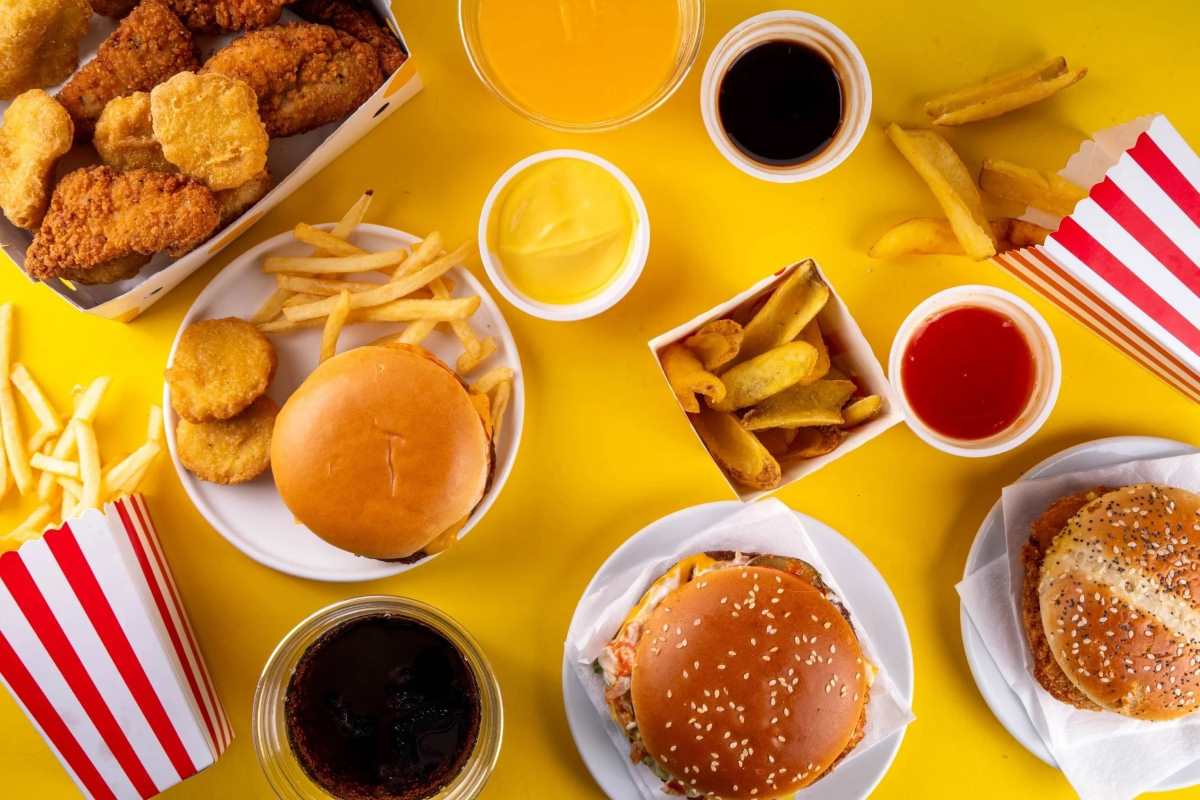
From a marketing and consumer behavior perspective, food companies pay rapt attention to the color of products due to color-flavor associations. Several scientific studies suggest that food color influences the flavor perception of consumers.
Using natural food dyes reassures consumers mostly due to their acclaimed non-toxicity. However, switching from artificial dyes to natural alternatives isn’t as simple as the regulatory reforms might make it sound. Besides the instability of natural alternatives, there are challenges of cost disparity, supply chain lapses, and difficulties in matching the vibrancy of artificial colors.
ALSO READ: RFK Jr. Cracks Down On US Food Companies Using Artificial Additives
What Are Natural Pigments?
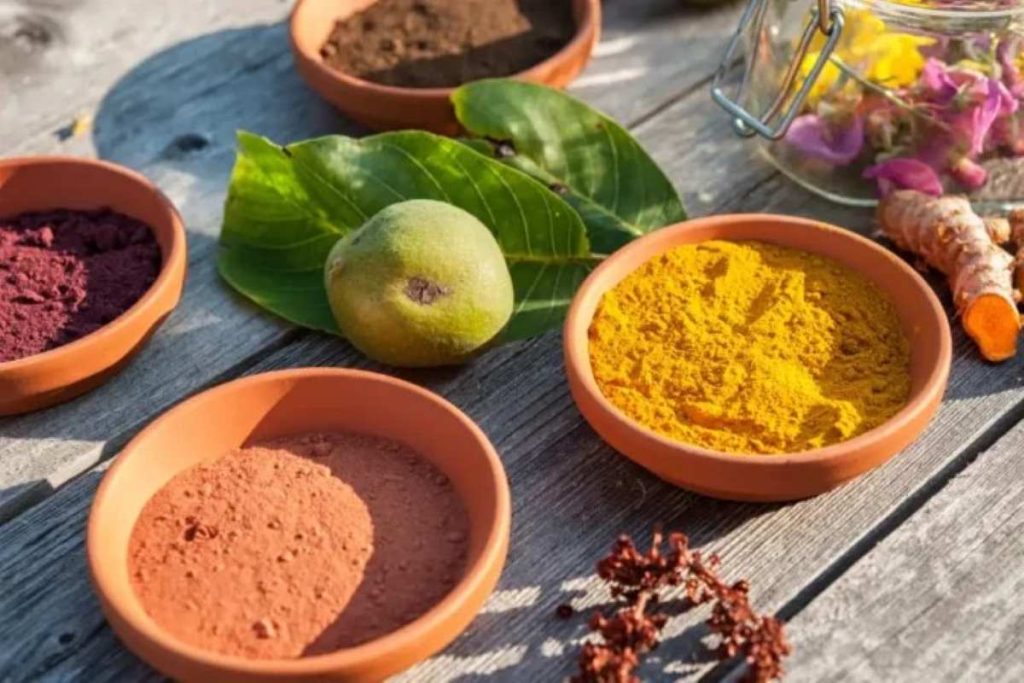
Natural food dyes are substances that impact color on systems into which they are dispersed and are from natural sources. Natural pigment may be sourced from inorganic minerals, plants, animals, or microbes.
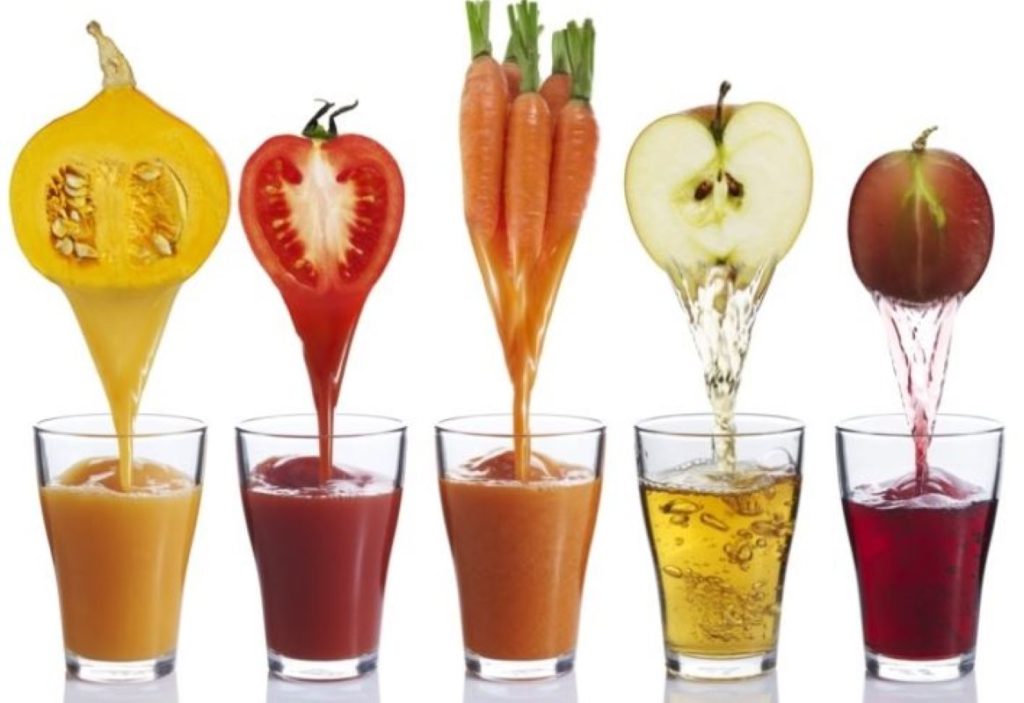
The major pigment groups of natural and edible food coloring are highlighted below:
| S/N | Pigment Category | Color | Source |
| 1. | Betalains | Yellows, reds | Beets, cactus |
| 2. | Chlorophylls | Greens | Leafy plants, Algae |
| 3. | Carotenoids | Oranges, yellows | Paprika, tomatoes, carrots |
| 4. | Anthocyanins | Blues, purples, reds | Cabbage, berries |
In existing biological systems, natural pigments have different purposes and roles than in food formulations. For instance, plants and even some algae sport chlorophyll to harvest light as energy for chemical processes. Carotenoids serve a myriad of overlapping purposes, like serving as pollination bait, preventing photo-oxidation by serving as a sunscreen. Indeed, carotenoids have also been discovered to capture excess light for use in photosynthesis. Some pigments serve as a defensive deterrent in plants to prevent animals from feasting, and in animals to warn predators. Anthocyanins and chlorophylls sometimes serve as indicators that their carriers are rich in antioxidants.
Turning Pigments Into Edible Dyes
There’s probably that one person who, when they learn that some natural food dyes are from plants, thinks the plant itself is added to the food. On the contrary, natural colorants science mostly involves extracting color compounds from microbes, insects, or plants. Commercial production of natural pigments includes additional steps like concentration and stabilization. Natural pigments to be used in food formulation are often extracted using methods that help qualify them as clean-label ingredients.
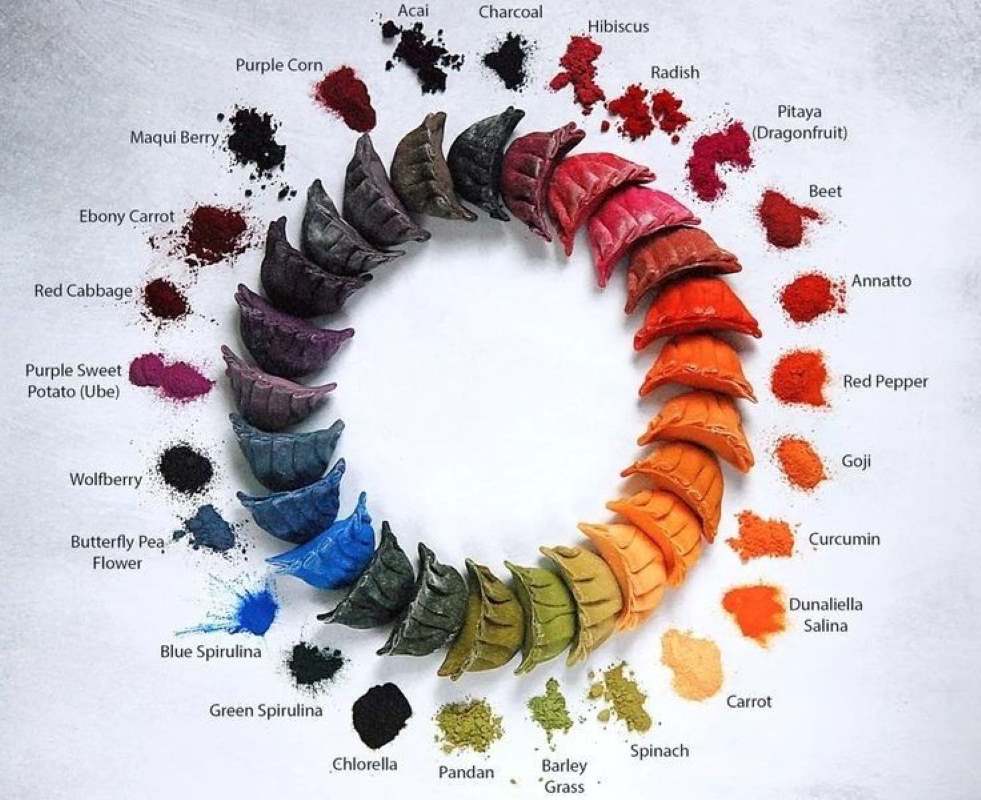
While the production rules are not written in stone, production of clean-label colorants often follows different combinations of the processes highlighted hereafter.
1. Extraction
This step involves the separation of the color compound from its parent plant, insect, or microorganism. The method deployed in this step mostly depends on the nature of the source matrix. Also, the food color chemistry (its physical and chemical properties) also goes into consideration.
Since the color compounds to be extracted need to be food-grade, the extraction methods need to be such that they do not use toxic chemicals or reagents. The most popular extraction methods for natural food dyes are:
- Solvent extraction (oil or alcohol-based)
- Aqueous extraction (for water-soluble pigments)
- Modern methods (supercritical fluid extraction, enzymatic extraction, microwave-assisted, and ultrasonic-assisted extraction.
2. Concentration and Purification
The extraction process often yields a crude extract that needs to be stripped of excess solvent and solid residues. Depending on what component of the crude extract is to be removed, column chromatography, evaporation, or filtration may be used. The goal of this step is to purify the color compounds.
3. Stabilization
It was stated earlier that natural pigments, in their most basic form, are organic chemicals. Consequently, these substances may degrade under certain circumstances. Common conditions that result in the loss of color stability are: changes in pH, exposure to light, or heat. In a later section, you’ll get to see how food scientists improve edible dyes stability.
The peak of natural pigment production is the quality control step. This ascertains the concentration, purity and safety of natural food dyes. Subject to these tests, the product can then be cleared as a clean-label colorant.
The Chemistry Challenge: Why Natural Colors Are Unstable
Again, it is important to remember that natural pigments are mostly organic chemical compounds. So, thermal degradation, pH sensitivity, photodegradation, interaction with other compounds or oxidation may cause these pigments to lose their color stability. So, let food chemistry walk us through how color instability comes about. That knowledge will help you better appreciate the initiatives of food scientists to nail edible dyes’ stability.
a. pH Sensitivity
Anthocyanins are a good example of natural pigments that behave differently under various pH conditions. For instance, plant pigments in food like red cabbage and berries often turn vibrant red in acidic conditions. These same anthocyanins often turn blue or even colorless in alkaline food formulations.
b. Thermal Degradation
It’s a no-brainer that exposure to high temperatures often results in the breakdown of chemical compounds. Natural pigments are no exception. A good illustration of this is how leafy greens often lose their chlorophyll after intense cooking in an acidic environment.
c. Degradation by Light
Have you ever noticed that some fruit drinks experience color fade after prolonged exposure? Natural pigments in food mixes may also undergo this phenomenon. Visible, or ultraviolet, light excites the electrons, changes their energy state and triggers chemical reactions. Once the reaction causes the chemical structure of the pigment to change, it is very likely to lose its color also.
d. Interaction with Other Compounds
During food formulation, the interaction of natural pigments with other food components may result in color degradation. Metal ions, salts, sugars, proteins, and even enzymes can cause pigments to experience color alteration.
e. Oxidation
Oxygen is a naturally occurring molecule that fuels several spontaneous chemical reactions. So, the very presence of oxygen may trigger reactions that alter the structure, and consequently, the color of natural pigments.
How Food Scientists Improve the Stability of Natural Food Dyes
To keep natural food dyes stable in food mixes, food scientists simply adjust the conditions of the environment in which they’re being deployed as clean-label ingredients. Briefly, the following are examples of methods that have been tested and proven to address unwanted degradation of natural pigments:
- Some food formulations use nitrogen during processing. This initiative could be deployed in such a way that eliminates oxygen from the food mix and helps avoid oxidative degradation.
- Introducing additives that control the pH of the food matrix, and by extension, make it conducive for whatever natural pigment is being used.
Indeed, most of the methods of stabilizing natural food dyes are pigment-specific. According to a recent review by two food scientists, Tharuka Wijesekara and Baojun Xu, chlorophyll stabilization is best achieved by alkaline treatment. This duo also recommended copigmentation for stabilizing anthocyanins. For carotenoids, encapsulation, drying, blanching and controlled atmosphere packaging are recommended. Copigmentation, incorporation of additives, or encapsulation have been found to be effective for stabilizing betalains.
Where Natural Dyes Work Best — and Where They Struggle
If you are a food producer and are considering, or are constrained to ditch artificial color, it may be necessary to first weigh the odds.
The following are some of the best use cases for natural food dyes:
- Confectionery
- Dairy alternatives
- Beverages
Meanwhile, if your food product will have to undergo intense heat processing, like baking or caramelization, then introducing natural pigments beforehand may be pointless. Also, natural pigments seldom hold together adequately in food products with a long shelf life.
Regulation, Labeling, and the Clean-Label Push
Food regulators require clarity and full disclosure of how products got their color, even when natural pigments are involved. For clarity, some food manufacturers use ‘coloring foodstuffs’ in place of natural pigments. The difference between those two is that pure pigments are carefully extracted, while coloring foodstuffs are plant components or extracts infused directly into formulations without concentration or purification. So, food manufacturers need to clearly state on the product label how the product got it’s color.
In Europe and North America, there are some disparities in the approval process for natural dyes. The European Food Safety Authority (EFSA) largely relies on its ‘E number’ food additive system. Whether natural or artificial, EFSA is cautious and quite stringent about the incorporation of food colorants. In contrast, the US Food and Drug Administration (FDA) is fairly malleable and encourages the use of natural dyes. Indeed, the Make America Healthy Again (MAHA) movement of Donald Trump’s second term in office is actively pushing for a full transition away from synthetic dyes.
The recent push for clean-label ingredients globally has been applauded by consumers of commercial food products. However, reports suggest food manufacturers are not finding the transition from artificial to natural food dyes easy. The technical overhaul and sourcing of high-quality natural pigments are apparently driving up production costs.
ALSO READ: Hunger Isn’t Just an Empty Stomach — Here’s the Science Behind It
The Future of Edible Dyes
Not all dyes that have been cleared as edible by food regulators are natural. However, with emerging research on the potential hazards of ingesting petroleum-based dyes and increasing health consciousness of consumers, natural pigments are likely to become more popular.
As the years roll by, food manufacturers should optimize the incorporation of natural dyes, and economies of scale should help flatten out the resultant increase in production costs.
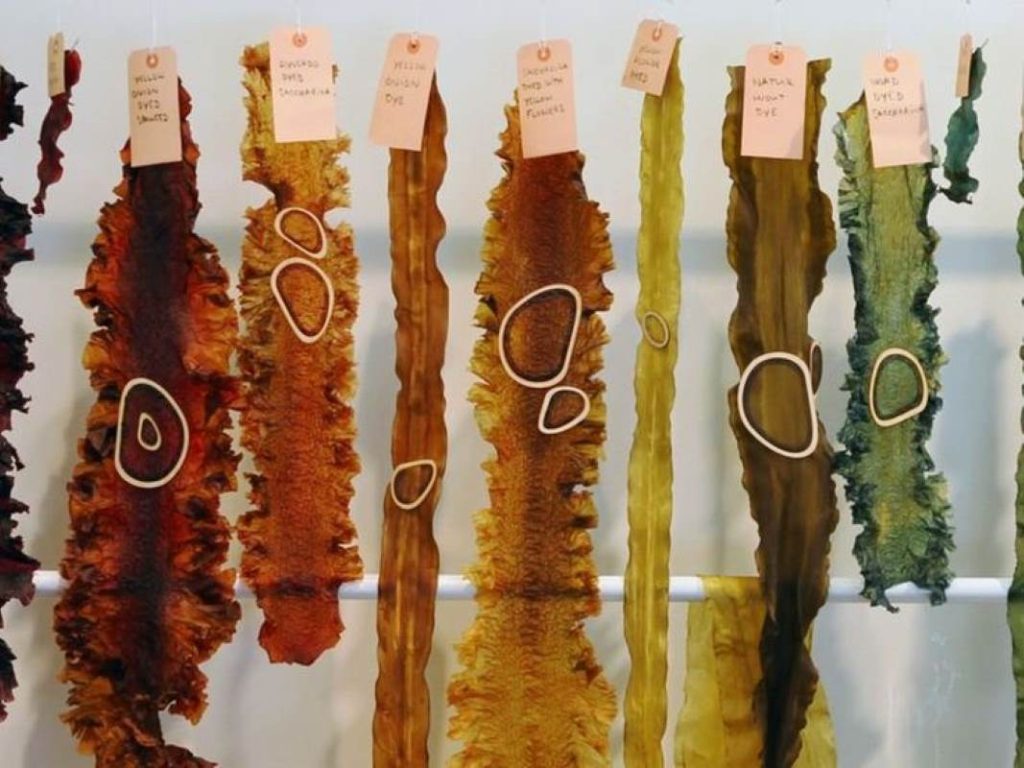
Also, with the ongoing advances in biotechnology, we are likely to see a spike in natural pigment production through fermentation. Algae-based colors are already a thing, but food consumers can look forward to the bioengineering of algae species to produce a range of natural colors. There’s already evidence that such biological tweaking of color is possible with seaweed, for textile industry applications.
Finally, AI is becoming a veritable tool for optimizing almost all the existing innovation processes. In the large-scale production of natural pigments, artificial intelligence is likely to play a significant role in the near future.
Closing Remarks
Natural pigments are complex and are proving difficult to use in food formulations. However, food scientists around the globe are actively making efforts to crack that hard nut.
ABOUT THE AUTHOR

Babatunde Olufemi is a food scientist, educator, and science-based food writer with academic and practical exposure to food processing, nutrition, food safety, and the global food industry. Through Quill of Grubs, he breaks down complex food science topics into clear, accessible explanations for everyday readers, students, and professionals.