








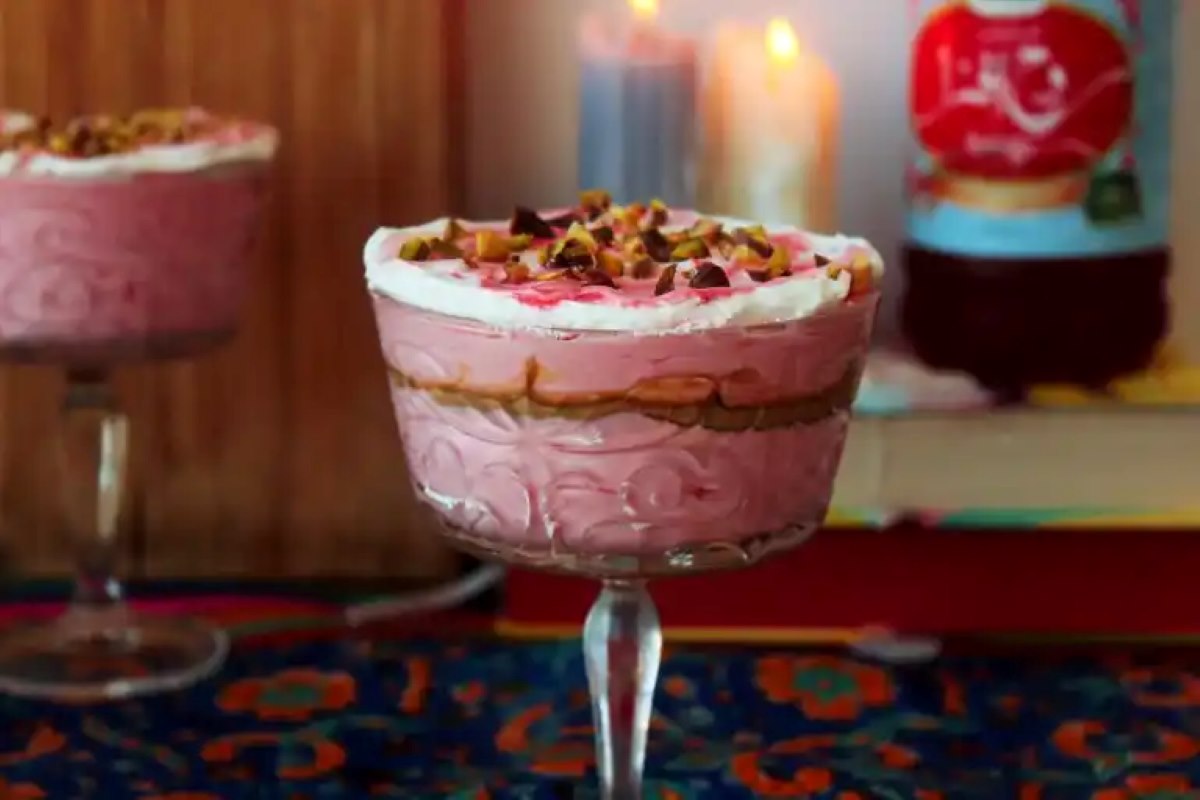
Chefs and food connoisseurs tend to be quite adventurous with appetizers and fusion desserts. However, desserts have emerged as a more experimental domain in modern cuisines. Fusion dishes have always been a thing among renowned chefs and food service establishments. Yes, people slapping together stuff like ice cream and cheesecake in their home kitchens may not be new. However, hybrid desserts on restaurant menus are a recent development.
Modern pastry evolution goes beyond the creativity of combining two local pastries. Instead, dessert innovation is getting influenced by migration and cross-cultural culinary intersections. Sometimes, it is just a nostalgic attraction to some dessert blends that we enjoyed in the past.
Indeed, a handful of recent global dessert trends are products of food globalization and cultural exchange. This article will demystify the historical roots of cross-cultural desserts. Who knows, you may pick up some ideas for gourmet pastries after reading this narration of modern dessert innovation.
What Are Fusion Desserts?
Anyone can tell you that a dessert is a dish served as the final course of a meal. It could be a fruit salad, some fermented product, or sweet confections. However, most people will hesitate when asked about fusion desserts.
Meanwhile, fusion desserts are just like their popular compatriots, albeit with a sprinkle of creativity. Creativity in this context may involve the blending of dessert flavors from different cultures. Alternatively, cross-cultural desserts may also involve the swapping of conventional or local ingredients with a foreign one. Overall, fusion desserts often involve culinary hybridity that causes multiple cultures to overlap and take consumers’ palates on an adventure.
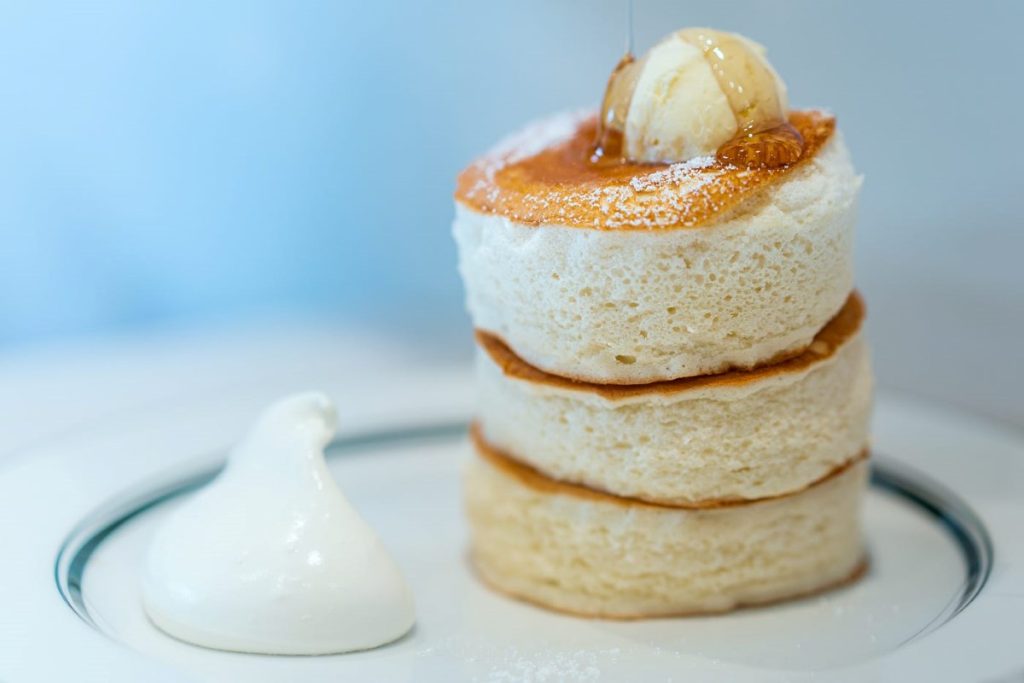
Cross-cultural desserts are obviously not about aesthetic gimmicks. You know, the likes of what some social media food influencers slap together to generate traffic. Instead, hybrid desserts are culturally-inspired innovations that tell unique stories.
Desserts often feature lightly at the dining table. Consequently, the rules that govern their preparation are not as rigid as in main dishes. So, global pastry trends are usually the product of culinary hybridity and experimentation with new dessert ideas. For instance, it is now commonplace to find hybrid sweets that are simultaneously spicy and savory.
ALSO READ: How Street Food Shapes the Identity of Cities Around the World
Early Roots: Fusion Long Before It Had a Name
With desserts, hybridity is not a contemporary trend. Culinary fusion history has it that colonial trade significantly influenced the emergence of cross-cultural cuisines. For instance, the cacao crop crossed from Mesoamerica to Africa and Asia during this period. In recent times, migrations have played a role in driving food globalization.
European pastry techniques have become one of the most popular bases for fusion desserts. This means that, due to their global popularity, pastries of European origin often get adopted in different parts of the world. Albeit, tweaks reflecting local culinary nuances get added to the dish or dessert.
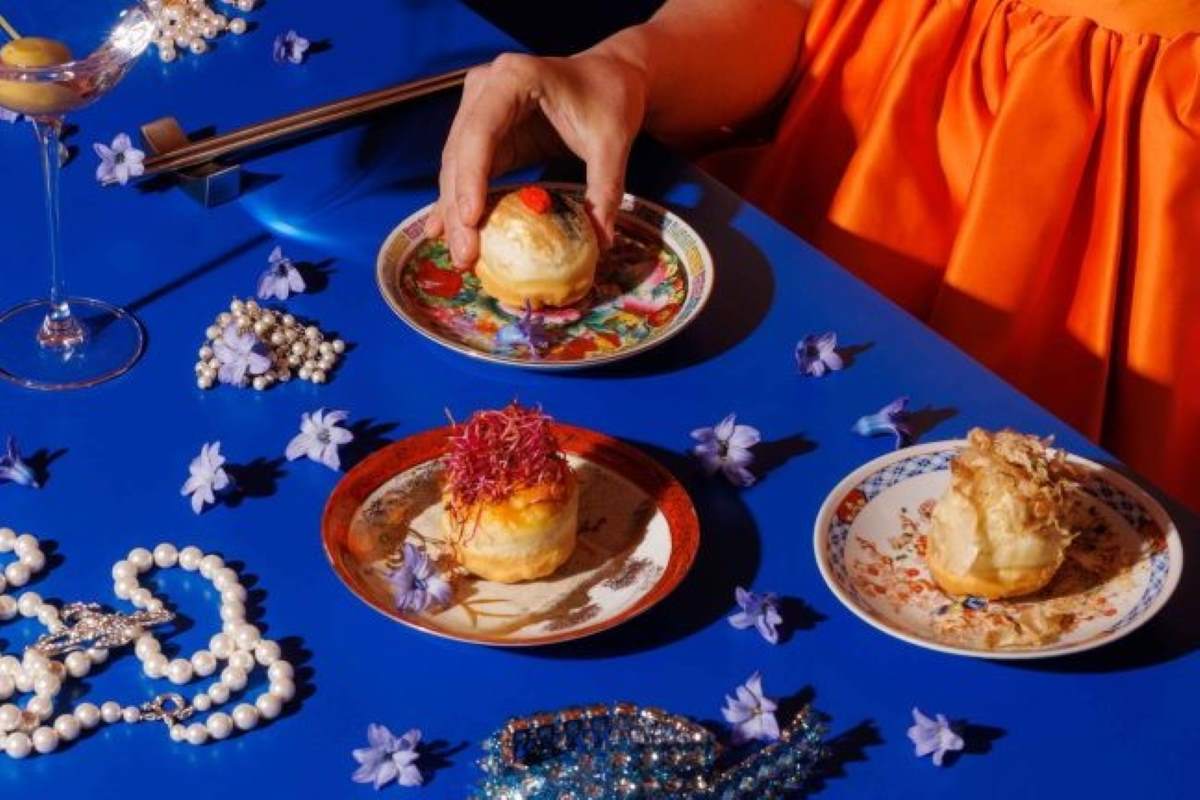
To give some perspective on how some European pastries have gone global, check out these few examples.
- Churros: This is a popular fried pastry of Spanish and Portuguese origins. However, it is a dessert now served in Latin America, the Philippines, and tourist hotspots around the world. The interesting thing about churros is that a globetrotter is likely to encounter as many variants as the number of places they visit.
- Flan: Broken down to its basic elements, a flan is caramel custard. However, despite originating from Spain, dessert connoisseurs around the world have developed local variants. Chocoflan is a typical hybrid dessert involving the baking of flan and chocolate cake together. Flan Parisien (French), Pudim de Leite (Brazilian), Mexican Flan and Leche Flan (Filipino) are regional variants of these hybrid sweets.
- Sweet breads (not the dish of lamb offal): These are attractive pastries that feature prominently at dinner tables. There are regional variations in the recipe of this dessert, and it even changes across bakeries and home chefs.
Migration, Diaspora & Identity in Dessert Innovation
Customers seldom ever get the chance to dictate what desserts their favorite bakery makes. That decision usually lies with the chefs in charge, and maybe the pastry type that the local population gravitates towards. Interestingly, the chefs sometimes innovate by developing new dessert recipes from scratch or by combining multiple existing recipes.
Dominique Ansel is a French pastry chef credited as the creator of a dessert called the Cronut. Cronut is a croissant-doughnut hybrid that Ansel created in 2013. In accounts from multiple sources, Ansel is famed to have created the Cronut due to his experiences as part of a cultural exchange. The chef migrated to the United States in 2006. Chef Ansel is just a drop in the ocean. There are several migrant chefs and culinary experts around the world, influencing food globalization.
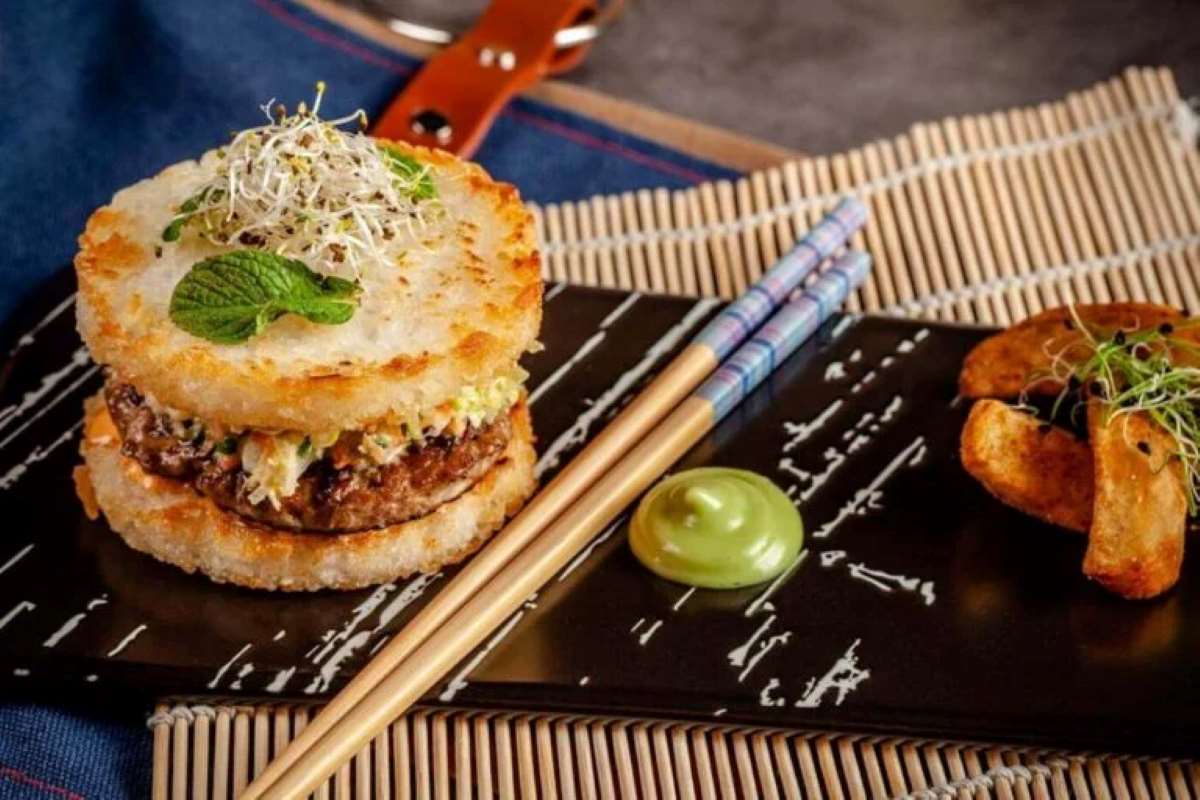
Jews are another example of how diasporans have influenced food globalization. Also, the desperate migration of Jews during the Holocaust (1933 – 1941) contributed to global dessert fusion history. Their relocation from Europe to Asia, Latin America, and the Middle East made Jews develop cross-cultural cuisines that are hybrids of cultural dishes. In some cases, ingredients for cultural Jewish dishes were lacking, and migrants had to compromise with available ones.
The Role of Globalization and Social Media
Gone are the days when physical travel was the sole fuel of globalization. We are a civilization that has diners posting their meals on Instagram before feasting. Self-acclaimed and even professional chefs now post recipe guides on YouTube.
The influence of TikTok on global dessert trends and culinary hybridity also became apparent during and after the COVID lockdown. Indeed, the single most important ingredient for influencing global pastry trends and the popularity of fusion desserts via social media is a large following.
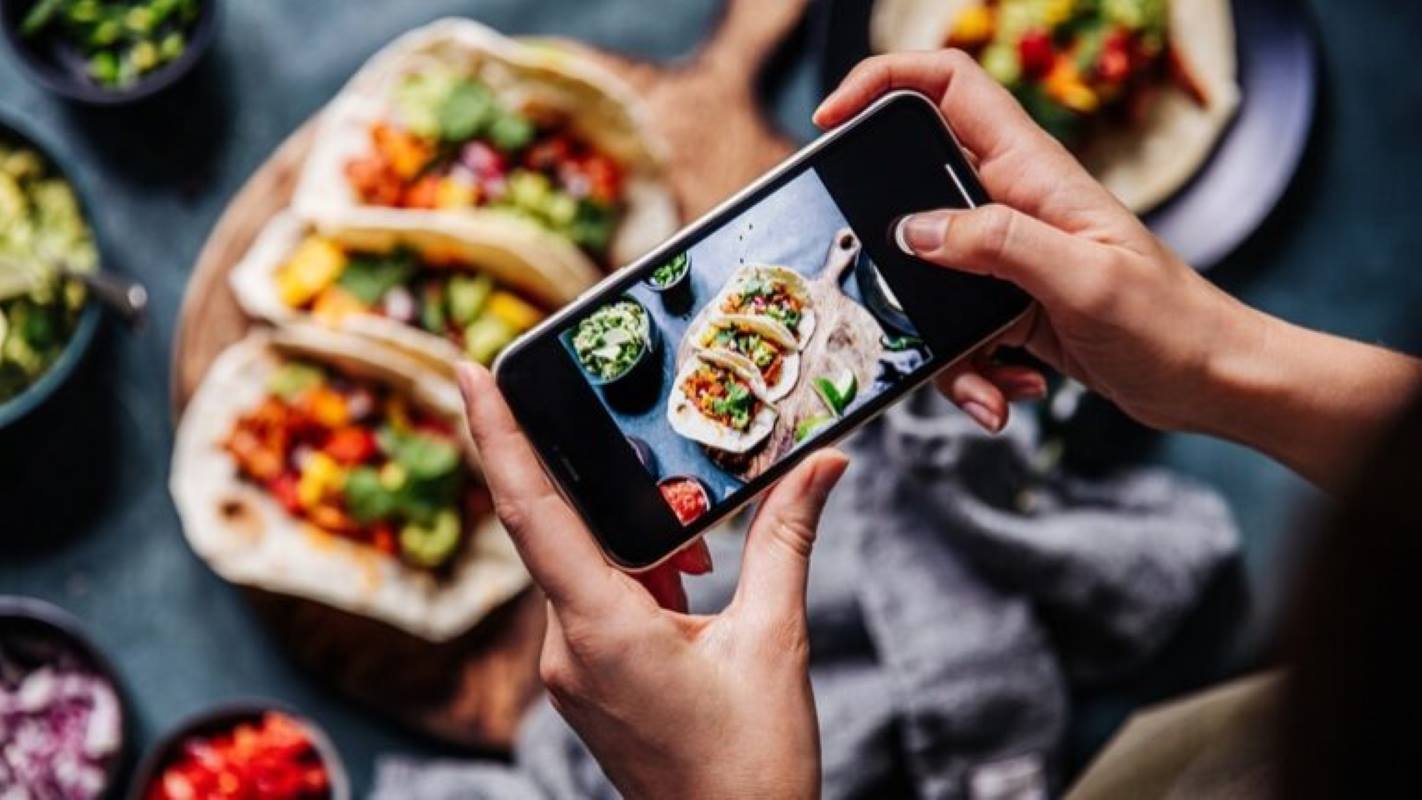
For instance, dalgona coffee went viral thanks to the globalization magic of technology and social media. Imagine Marvel’s Tony Stark suggesting he loves a dessert innovation, and the food item goes viral globally. A fairly similar scenario made whipped coffee a global sensation.
According to Food Ingredients First, the visual appeal of fusion desserts contributes to the viral adoption of such food innovations. Also, with the advent of AI agents, digital creators are sharing realistic visuals of innovative desserts without even entering a kitchen.
Criticism and Cultural Boundaries
Chefs, or culinary brands, may take a traditional dish, modify it, and make it contemporary and attractive enough for foreigners to enjoy. However, in such instances, cultural appropriation of the fusion diet may set in. The custodians of a traditional dessert may suggest that the hybrid version is a terrible representation of their culture. For instance, some Chinese chefs are very conservative about the preparation of their traditional cuisines.
So, the line between dessert innovation and culinary dilution can sometimes be vague and undefined.
Maybe, just maybe, if creators of contemporary dishes and desserts add a little storytelling (or context that explains the tweaks that the food has undergone), it will become less offensive to folks who prefer the untainted variant.
ALSO READ: The Truth About ‘High-Protein’ Labels: What Food Science Really Says
Fusion Desserts Today: Craft, Commercial, and Cultural
Trends of fusion desserts are popping up around the world, and some of them are going viral. Interestingly, the ‘fusion-forward’ leaning of these trends is doing something spectacular to desserts. A little scrutiny of cross-cultural desserts will reveal that hybrid pastries are thinning the line between breakfast, dessert, and snack.
Also, hybrid desserts are no longer subject to niche restaurants or menus. Instead, they are enjoying mainstream adoption among patrons seeking novelty and comfort foods.
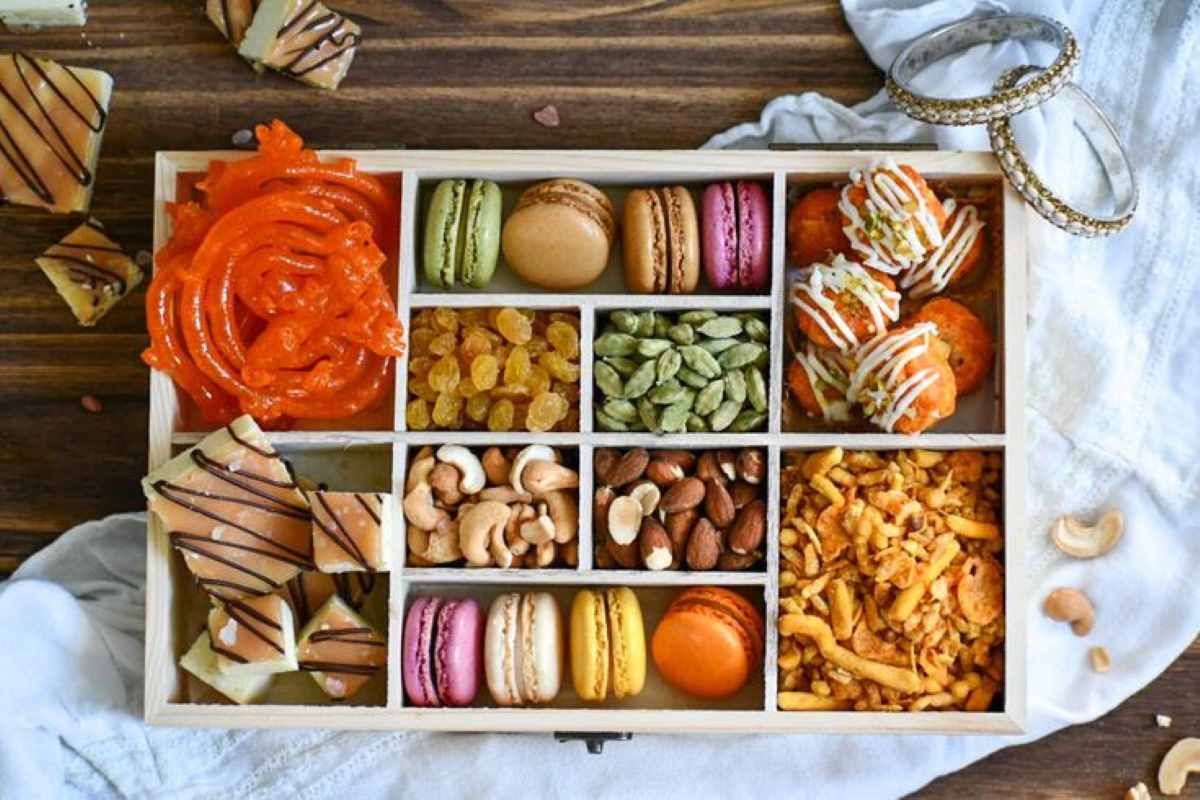
Cross-cultural desserts are also featuring prominently at seasonal festivities. In the US, attendance at Burning Man is probably the first time some participants will taste a fusion dessert.
India’s festival of lights (Diwali) has also become a wind in the sails of culinary hybrids. Indians in the diaspora and local adventurous food connoisseurs have made romanticized sweet desserts popular. This often involves merging a traditional Indian dessert with another of Western extraction.
In the future, fusion desserts are likely to outshine the glamorous glitz and trends that made them a global spectacle. To make them amenable to health-conscious consumers, chefs are likely to pivot to organic and other healthier options.
Key Takeway
The bottom line of fusion desserts is how it speaks to the genius of human creativity. The trend also encourages trying out modern preparation techniques on traditional pastries or merging two regional, or even unrelated, pastries. There’s a story behind the Eureka moment that birthed the Cronut. Similarly, almost every hybrid dessert tells a story of migration, nostalgia, and culinary adventure. Extrapolating into the future, with pastry history as a springboard, it is easy to prophesy that hybrid desserts will shift and evolve culinary culture.
ABOUT THE AUTHOR

Babatunde Olufemi is a food scientist, educator, and science-based food writer with academic and practical exposure to food processing, nutrition, food safety, and the global food industry. Through Quill of Grubs, he breaks down complex food science topics into clear, accessible explanations for everyday readers, students, and professionals.