






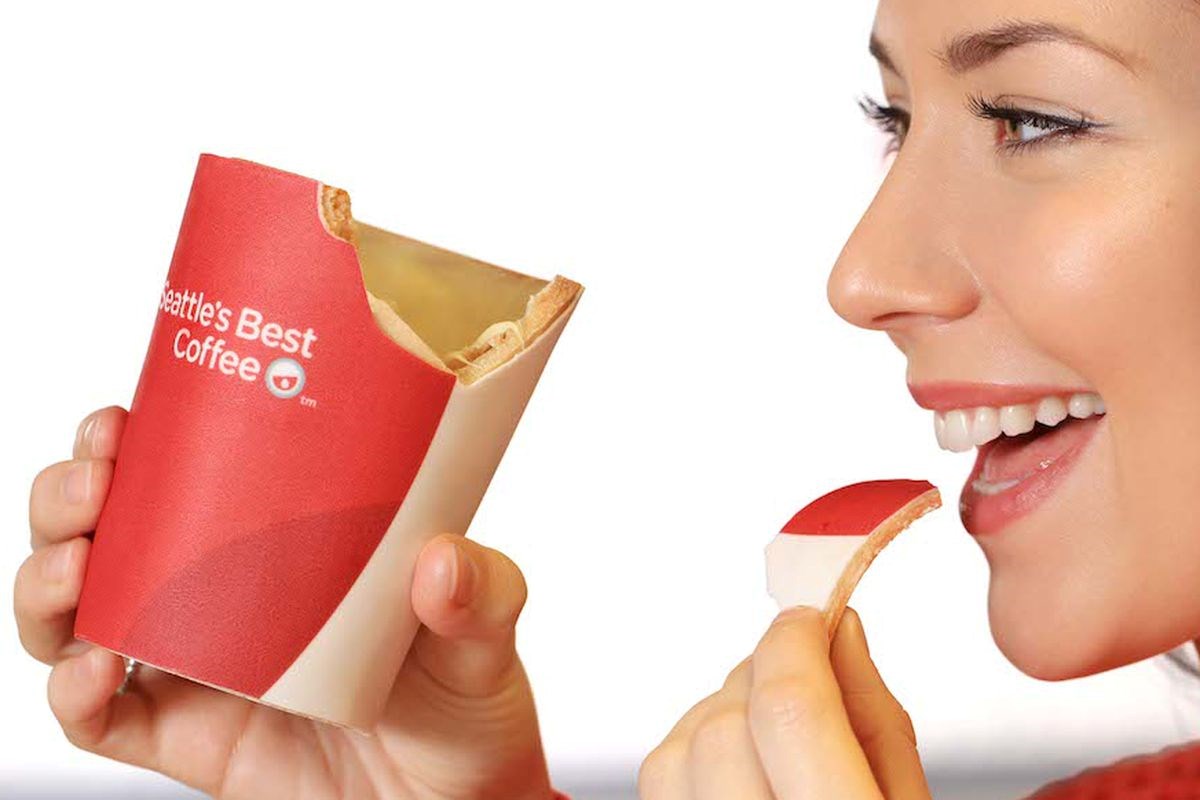
Edible packaging materials are currently making waves in the global food industry. Imagine eating a pack of chips and downing the wrapper right after. Such are the strange, but interesting plastic alternatives emerging in the food industry. According to the United Nations Environment Programme (UNEP), roughly 40% of all manufactured plastic is used as packaging solutions. This lot poses a threat to the global ecosystem in the guise of plastic waste.
Environmental advocates have welcomed the use of biopolymers as biodegradable food packaging. However, the fact that food packaging is made of compostable materials does not make it edible. With food-grade containment, the goal of zero waste is looking promising.
Startups that specialize in edible food packaging technology are iterating with multiple materials. For instance, seaweed sachets and invisible coatings are becoming popular in circular packaging solutions. The only challenge is cracking the business puzzle of these sustainable food packaging solutions and scaling it for commercial use. So, this piece will endeavor to explain edible packaging, its practicality of use, and how businesses are adopting it.
What Is Edible Packaging, Exactly?
Edible packaging or consumable containment covers a broad niche of biopolymers being deployed as plastic alternatives in food production. So, when a packaging solution is made of food-grade materials, it naturally qualifies as consumable containment. However, it is necessary to mention that not all compostable packaging qualifies as edible. So, consumable containment is biodegradable packaging solutions designed to be either eaten or degraded with minimal harm to the environment.
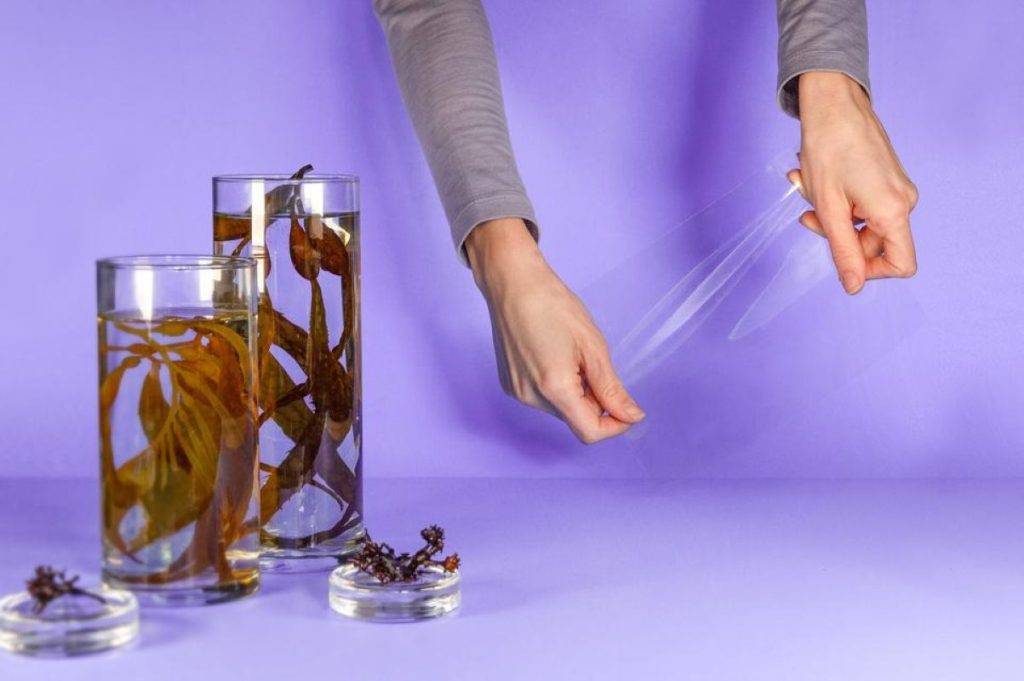
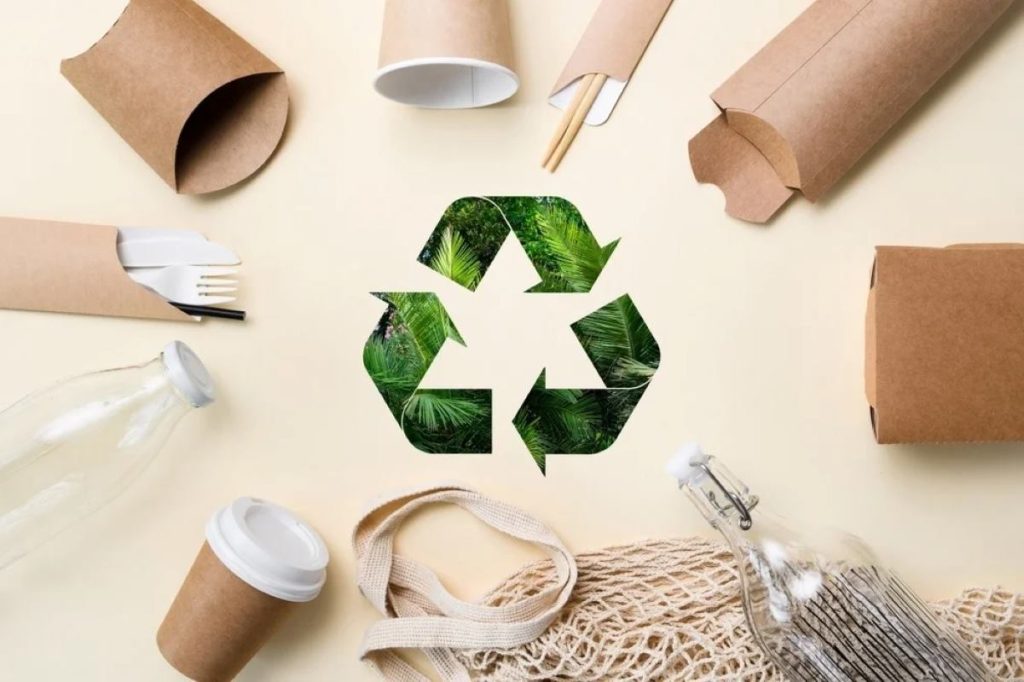
Consumable containment may not be visible like your conventional packaging solutions. Thin film and invisible coating are common examples of such solutions. Other examples are edible wax coatings to protect fruits and make them look glossy, starch and protein films, and seaweed-based sachets.
ALSO READ: How Restaurants Are Using AI to Build Smarter, More Profitable Menus
Why the Food Industry Is Paying Attention Now
It is plausible to question why circular packaging is suddenly gaining popularity, not just among sustainability advocates, but mainstream media. The reasons are quite multidimensional, and this section will discuss a few of them.
Rising Plastic Bans and Regulations
Pockets of pro-environment food innovations are popping up in random parts of the world. Interestingly, local regulators are equally backing up some of these developments with laws that encourage their adoption. In 2025, Nigeria’s Lagos State banned Styrofoam and single-use plastics. San Diego, USA, had been encouraging the use of sustainable packaging solutions for years, but took a firm stance on the use of polystyrene in 2024. The United Kingdom enacted a similar regulation in 2023. The EU had commenced its phasing out of plastic items as far back as July 2021. These are just a few of the progressive moves that are ongoing in the global fight against plastic waste.
Consumer Demand for Sustainability
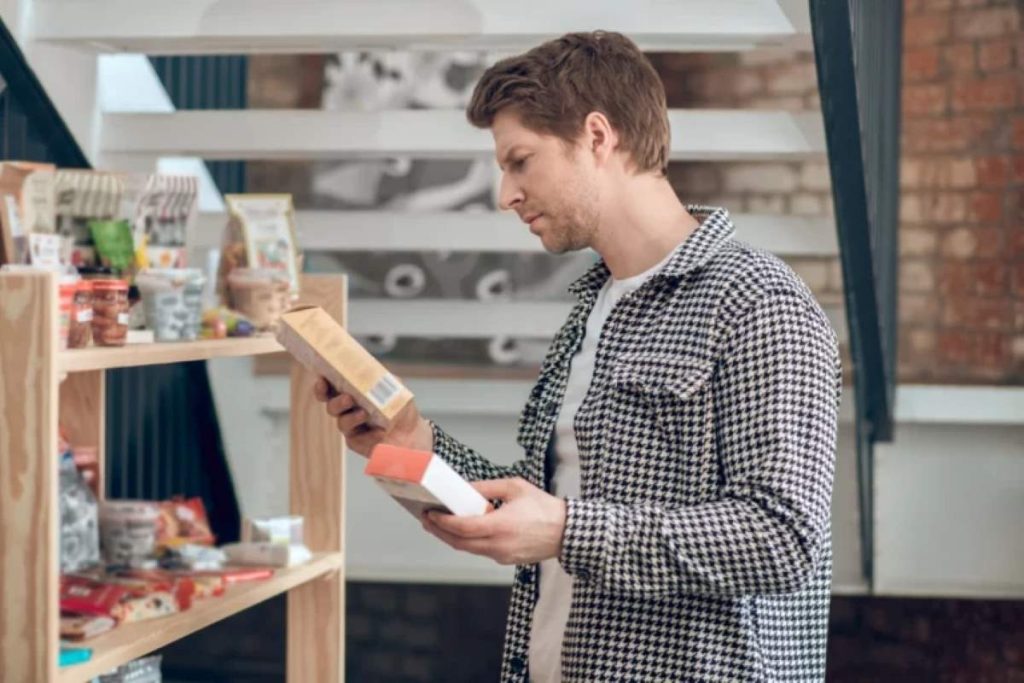
In a recent report, McKinsey & Company suggest that the influence of environmental impact as a factor driving consumers’ buying decisions has seen an uptick in recent times. In mugglespeak, this means that buyers are considering the environmental friendliness of food products before picking them off the shelf. This development is forcing more food companies to priotize environmental impact when designing packaging solutions.
Corporate ESG Commitments
To gain more popularity, most multinational food companies often align with submissions agreed upon during United Nations Climate Change Conferences. Companies call this their corporate ESG (environmental, social, and governance) commitments. So, Big Food provide evidences of their adoption of sustainable food tech in alignment with international best practices. Interestingly, the internet and social media are making climate advocacy gain more audiences around the world.
Cost of Waste Management
The UNEP estimates that it cost $252 billion to manage all the solid waste generated around the globe in 2020. More alarming is the projection that the figures may rise to $640 billion annually by 2050. Not all the solid waste in the cited report is indeed from the food industry. However, fully addressing waste pollution in that industry will reduce its carbon footprint significantly. Awareness of this climate impact is making the food industry pivot to plastic alternatives and other sustainable food innovations.
Brand Differentiation
There are still only a handful of food brands that have fully embraced edible packaging solutions. This has become a selling point for brands in such categories, as they outrank competitors as far as circular economy packaging is concerned.
The Science Behind Edible Packaging
As sustainable food tech improves and the various solutions become better differentiated, distinguishing edible packaging types is likely to become easier. However, this section will briefly discuss the science behind consumable food containment.
Materials like alginate, cellulose, chitosan, and starch first became prominent in the pharmaceutical industry. They are called biopolymers and are readily available due to their wide distribution in nature. However, these materials have since been adopted as plastic alternatives for food industry applications. Due to the film-forming and functional properties of these materials, they are easy to deploy accordingly.
The future of food packaging will prominently feature food-grade materials, and the reason is not far-fetched. Food package researchers are engineering these edible and compostable materials to make them moisture-, oxygen-, and microbes-proof. For instance, some edible film packaging is made using hydrophobic (water-repelling) materials, or water-in-oil emulsions. Some starch-based films and seaweed packaging have also been structurally designed to mimic plastic films. Consequently, these edible film packaging are equally effective in oxygen control.
Some food-grade coatings are also designed to exhibit antimicrobial properties. This is often achieved by infusing natural polymers with bacteriocins and essential oils. While the biopolymer confers structural strength in starch-based films, the antimicrobial agents help induce shelf-life extension.
Overall, studies have reinforced the ability of edible packaging to extend the postharvest shelf-life of fruits and vegetables.
Who’s Building It? Startups and Early Movers
This section will identify some of the startups that have contributed to the development of practical consumable containment solutions.
- Apeel Sciences: This is an American company that specializes in sustainable food tech innovations. Edible, and plant-based coatings, for shelf-life extension in fruits and vegetables are their speciality.
- Evoware: David Christian and his team started the Indonesian packaging solutions company in 2019 as an answer to the growing metrics of plastic-related pollution. Evoware trended in 2018 after it went public with an algae-based packaging that melts completely in hot water.
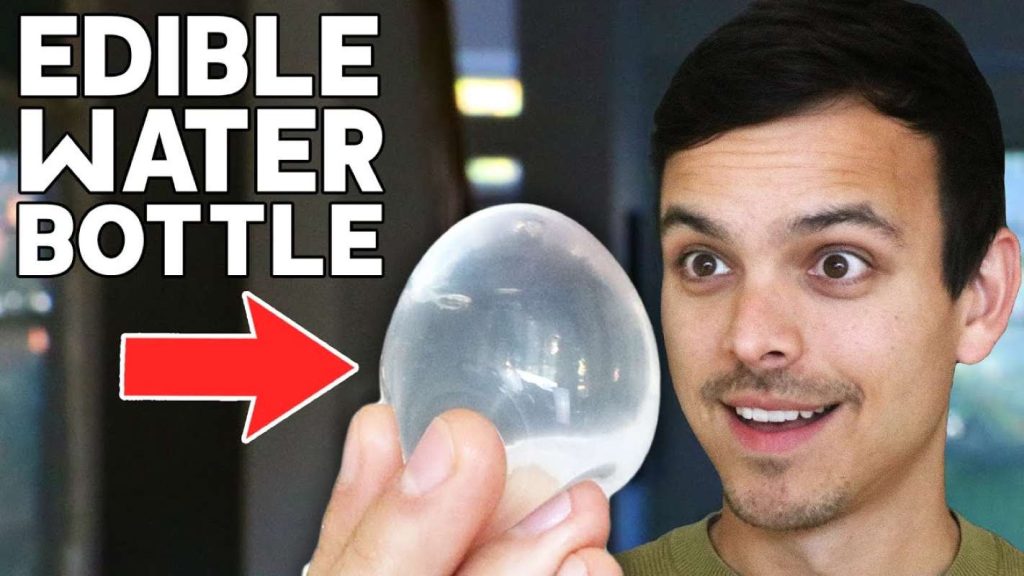
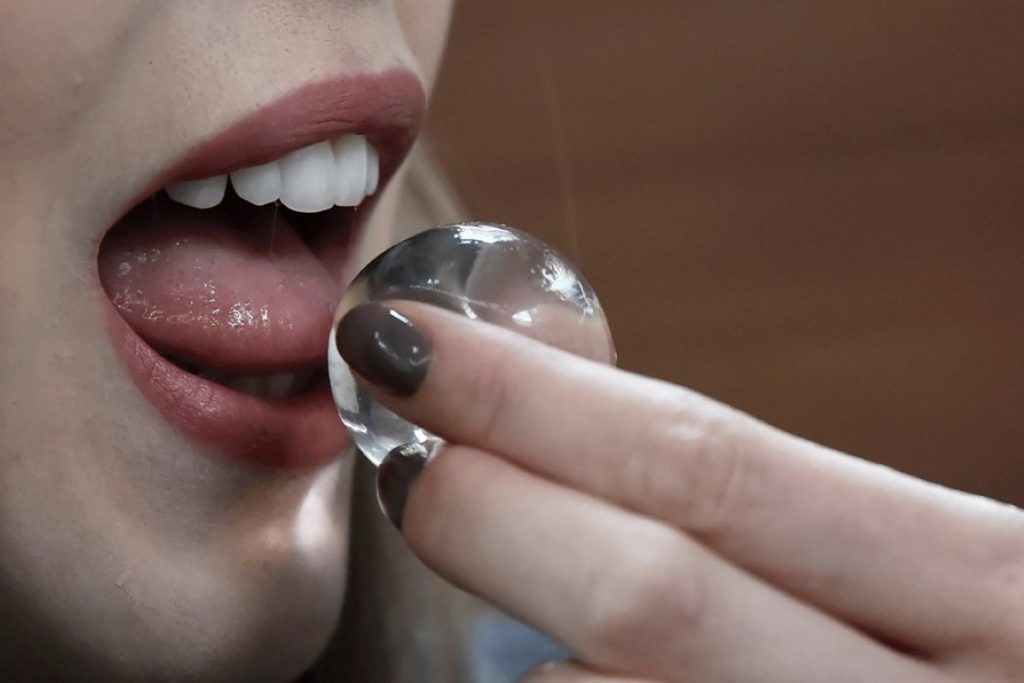
- Notpla: This is a London-based company that is doing wonders with seaweed. This startup is popularly known for its edible water pods. So far, the company is iterating and pushing the limits with seaweed-based packaging solutions.
Many researchers are making headway with sustainable food tech, but only a few can transform their ideas into profitable businesses. Interestingly, some of the companies highlighted in this section had research studies as the bedrock of their conceptualization. Here are some of the ways these profitable edible packaging startups are monetizing their sustainable solutions:
- Brand partnerships: Notpla, for instance, is enjoying official affiliation with food service and takeaway brands that want to make their operations eco-friendly. They also partner with sports event organizers in the UK to provide plastic-free water pods and similar refreshments.
- B2B licensing: Most of these startups patent their products before commercialization, and proceed to grant other businesses the right to use them at a fee.
Where Edible Packaging Works — and Where It Doesn’t
Consumable containment is an undeniably commendable innovation. However, it may not be practicable for some food packaging applications. Now, a review of the applications for which these plastic alternatives are best suited.
Consumable containment is suitable for the following applications:
- Single-serve sachets
- Dry food products
- Product coatings
- Event-based food services
As mentioned earlier, food-grade coatings and films are impractical for some packaging applications. For instance, some seaweed packaging solutions are not suitable for moisture-rich foods, as water compromises their structural integrity. Also, since edible packaging materials are from biological sources, they tend to cause taste interference when used as primary packaging solutions. In addition, some consumers may express reservations when informed that their food packaging is algae- or seaweed-based. Such individuals may require some encouragement before deciding to try even food-grade coatings.
Finally, many sustainable packaging solution companies have to cross multiple hurdles of regulatory approval before going commercial.
ALSO READ: How Street Food Shapes the Identity of Cities Around the World
Is This the Future or a Niche Solution?
Beyond the fear of adoption and cross-border regulations, consumable food containment may become the future of sustainable packaging solutions. Adoption may be slow, as solution providers strive to win the trust of FMCGs, regulators and consumers.
However, it may be impossible for edible food packaging to knock off conventional packaging in the future. This piece has analyzed how consumable containment does not fit into all use scenarios. So, it may instead have to coexist as a complement, or alternative for the packaging of certain niche foods. But we cannot conclude just yet, as extensive research is still ongoing in the domain of consumable packaging. The next big break in sustainable food tech may turn out to be invisible packaging solutions.
ABOUT THE AUTHOR

Babatunde Olufemi is a food scientist, educator, and science-based food writer with academic and practical exposure to food processing, nutrition, food safety, and the global food industry. Through Quill of Grubs, he breaks down complex food science topics into clear, accessible explanations for everyday readers, students, and professionals.