










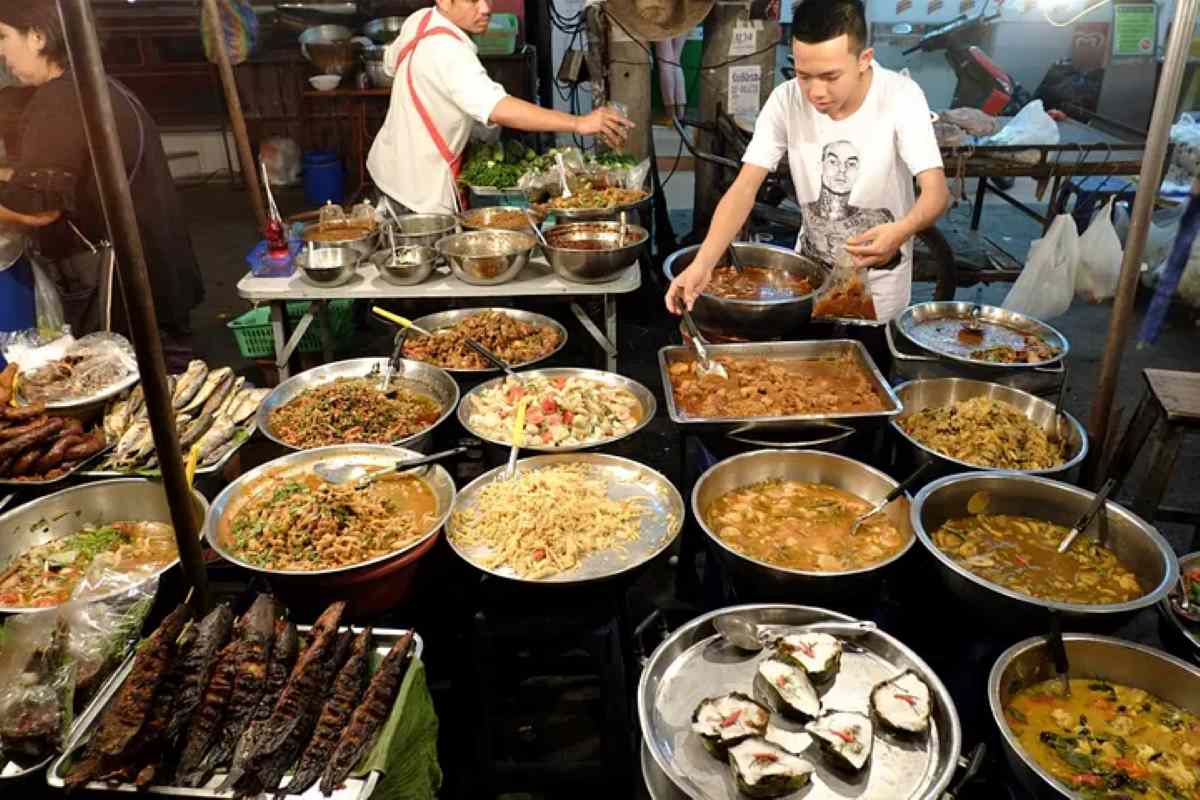
During holiday trips and vacations, visitors seldom have to stress before interfacing with local street food culture. In vibrant cities and even slow-paced countrysides, the signature scent of delicacies by street vendors and food carts is sometimes the first cultural welcome visitors receive.
Interestingly, no nation in the world has the monotony of street food heritage. From Istanbul to Mexico City to Bangkok and even Lagos, people often identify with the cultural symbolism of food. Consequently, the local populace in most places almost always has a unique history of street food that contributes some nuance to their culinary identity.
Environmental and municipal legislations, culinary trends, or city planning projects are factors that may sway heritage foods and informal food economies. In short, global street food traditions are not cultures that are set in stone during a single summer festival. Summarily, the urban street foods we see around today are products of several years of cultural iteration. So, this piece will provide a peek into street food history; how it shaped local identity in some places, and is serving as a cross-generational connector for urban culinary heritage in others.
Why Street Food Matters: A Cultural Lens Into Cities
Street food is a driving force in some locales because it has become part of everyday food traditions in such places. Depending on the prevalent vending culture and social tempo of a community or city, local street vendors often blend into the fabric of local identity and daily activities.
For instance, some urban street food carts target urban workers during lunch break. Similarly, in some bustling cities of Asia, the informal food economies receive peak traffic in the evenings. Consequently, street vending culture often resonates with the movements, ebbs, and dominant working hours of the local working class.
You don’t necessarily have to look far to understand how relevant street vending culture is to local identity. Since street food is largely for the working class, not the elite, it could serve as a reflection of local economic realities. Informal food economies say a lot about a city’s standard of living.
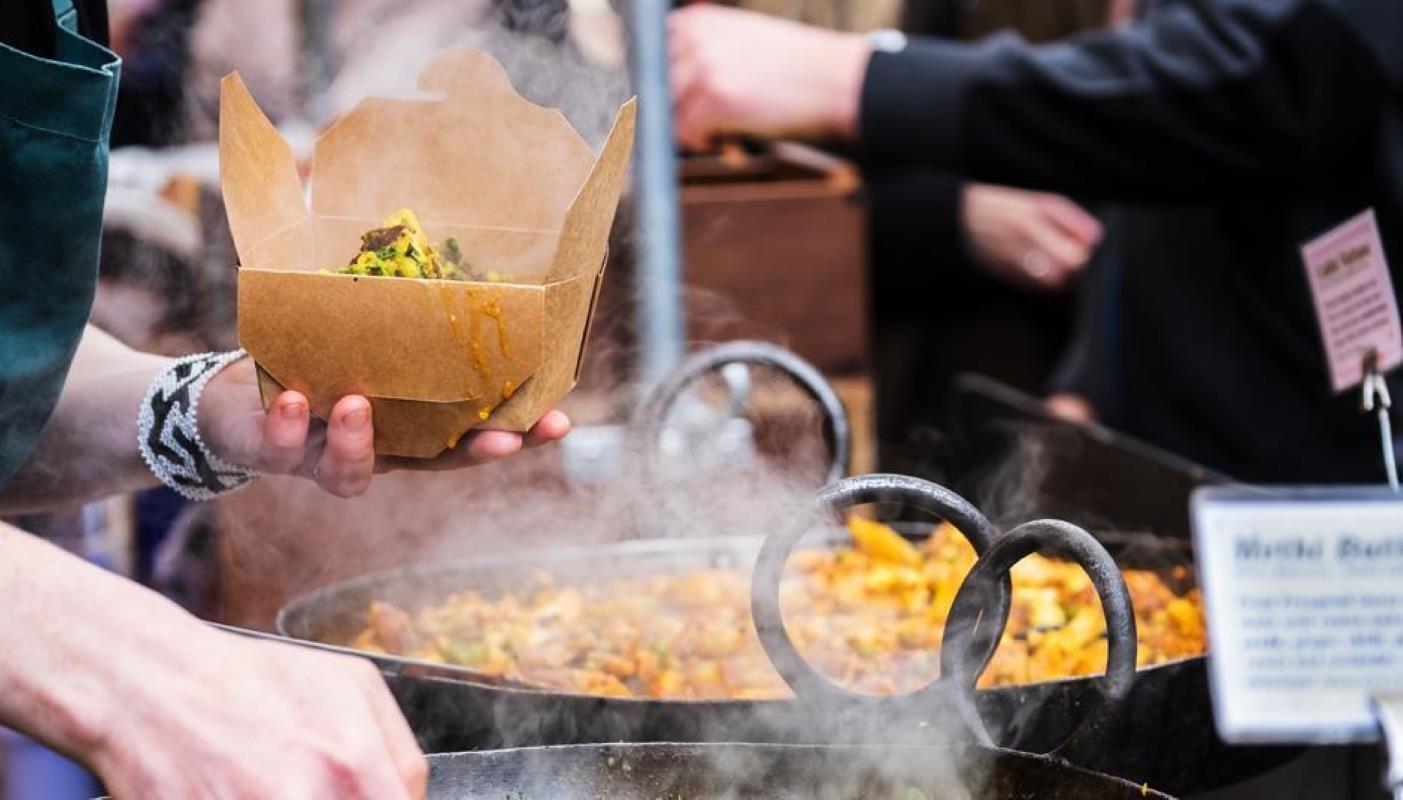
Do you know that street foods are one of the oldest forms of public dining? A recent article, The Evolution of Street Food Around the World, reveals that the dining method has ancient roots. Multiple historical evidences from China, Rome, and Greece show that street foods have been around for several millenia prior.
However, across generational lines and cultural divides, street foods have maintained a common denominator. It is a form of democratic cuisine that is accessible to people of all classes. However, the local variations and nuances successfully transform street food into a cultural fingerprint.
ALSO READ: Inside the Lost World of Medieval Feasts and Banquets
Historical Roots: From Ancient Markets to Modern Food Stalls
Over the years, history has shown that wherever people gather, some form of food is always served. Interestingly, sociocultural history educates us that street food culture is not a recent development. Here are some ancient markets and how they gave birth to heritage foods in their domiciliary locations.
Ancient Rome’s Street-Side Thermopolia
According to the Madain Project, the streets of ancient Rome were teeming with thermophilia. You know, just as taco, hamburger, and hot dog stands are easy to come by in New York. Thermophilia were literal ancient melting pots (pun intended). They were actually fast-food counters where commoners could buy ready-to-eat meals. Since cooking hearths were expensive, only the wealthy ate homemade meals in ancient Rome.
Asian Night Markets as Centuries-Old Communal Hubs
In a recent historical review, a team of Chinese researchers suggested that Asian street foods thrived at night since ancient times. For instance, there are surviving records of the Tang dynasty of AD 618-907 banning certain aspects of night markets. It is interesting that many Asian cities still have vibrant night markets to this day, with sumptuous street food as a prominent feature.

Middle Eastern Souks With Mobile Vendors
Ancient trade routes, like the Silk Road, snaked through parts of the Middle East and North Africa. Consequently, these trade and migration influences led to the establishment of Souks (open-air markets) in such trade hubs. Traders and travellers buying meals from mobile vendors was one of the everyday food traditions at such trade hubs. Visit 21st century Cairo, Dubai, or Jeddah, and you are very likely to chance upon a mobile food vendor at one of the modern souks.
African Informal Markets that Shaped Local Economies
There were multiple trade routes traversing ancient Africa: the trans-Saharan trade and the Indian Ocean maritime hubs. These saw many foreign trade parties pass through the continent and mopped up spices, ingredients, and even street food recipes along the way. Urbanization, global foodways and migration influences have only managed to make street food culture even richer in Africa.
Migration, Trade & Colonialism: Forces That Shaped Street Food Identity
Besides trade, migration and colonialism played a significant role in the development of global flavors and fusion street foods. In some cases, the original concept of a local street food was retained. However, colonial and migration influences on ingredients, techniques, and spices saw mild modification of street food culture.
So, it is safe to declare that fusion street foods have been a thing long before fusion cuisines gained popularity.
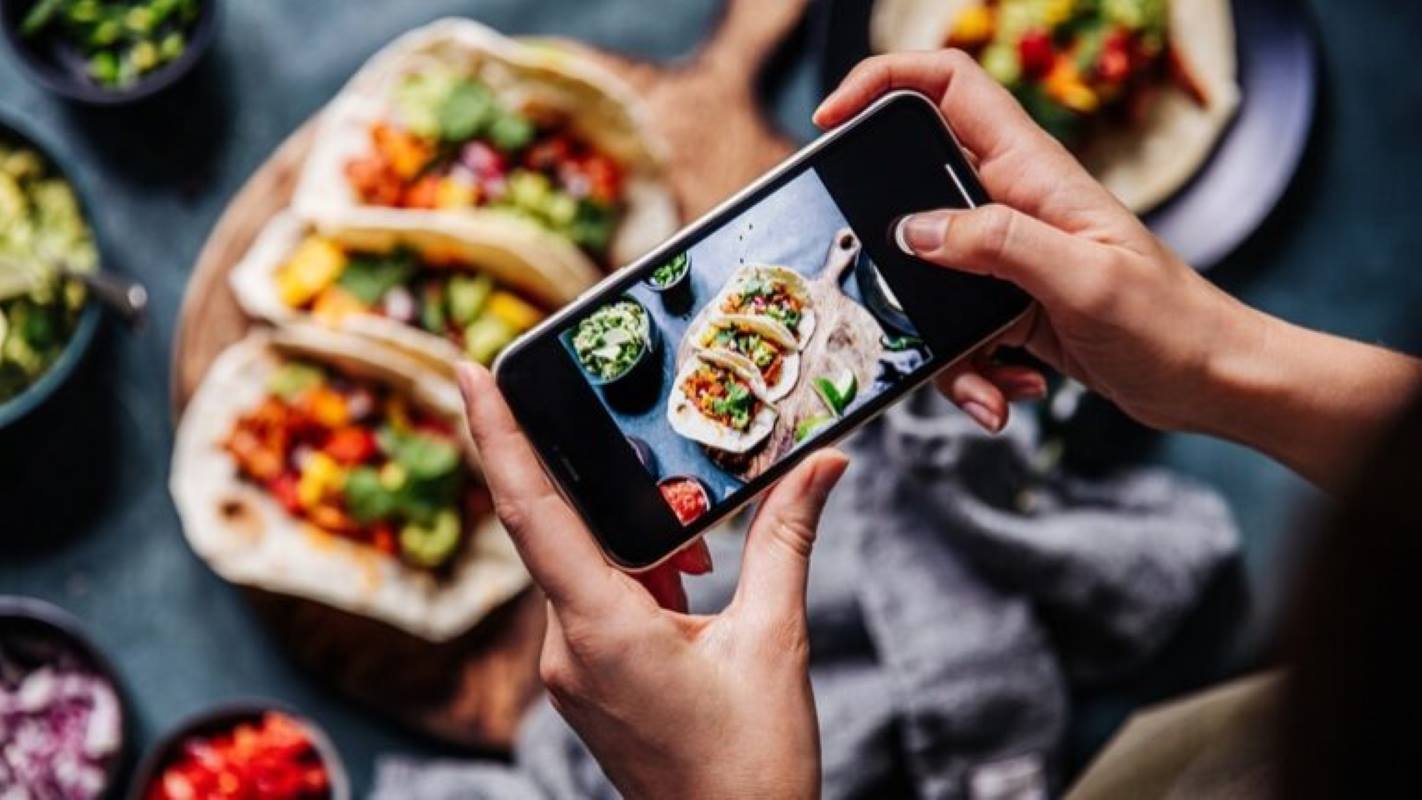
Here are a couple of dishes that have yielded to the tunes of global flavor as influenced by any of the factors discussed:
- Tacos al pastor: This street food is an example of an urban culinary heritage as an offshoot of urbanization. The dish is the direct result of Lebanese culinary techniques on Mexican heritage foods.
- Bunny chow: Indians have a history in South Africa, and this fusion street food is an example of its culinary imprints.
- Jollof variants across West Africa.
Cities With Strong Street Food Identities (Global Case Studies)
The following are short profiles of street food cultures that are established and known across borders.
- Bangkok: Night market culture + Thailand’s “khao geng” tradition
- Mexico City: Tacos, tamales, and the culture of street gatherings
- Lagos: Suya, puff-puff, and roadside food as part of nightlife identity
- Istanbul: Simit carts tied to Ottoman culinary tradition
- New York City: Immigration waves shaping hot dogs, pretzels, halal carts
The Threats: Gentrification, Regulation & Modern Hygiene Codes
Urbanization tends to automatically result in the gentrification of the foodways of street food culture. Municipalities and city regulators are causing the number of traditional street food vendors to thin out in such locations. For instance, many of these vendors are low-income earners and often find it impossible to pay for rising rents.
In other instances, ‘clean-up’ efforts by local authorities end up demonizing cultural food heritage, sometimes based on public health concerns. Overzealousness with such regulations may end up driving out the custodians of traditional food cultures to less stringent climes. Some vendors go as far as dropping the street food business and starting other concerns that align with their economic needs. In cities where tourists’ foot traffic is high, hospitality-induced inflation may dilute the authenticity of the local street food culture.
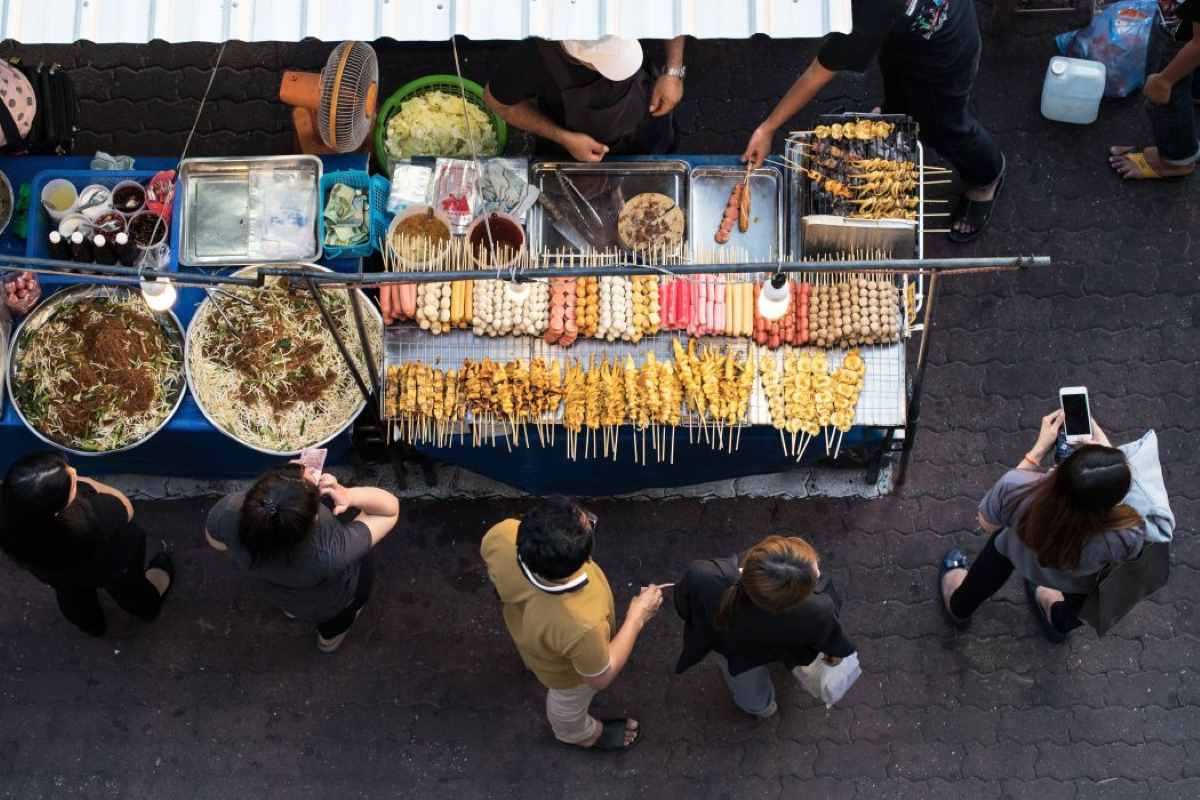
However, there’s a silver lining to it all, as UNESCO is stepping in with initiatives to preserve street food heritage globally. For instance, the UN agency is treating some of these street foods as intangible heritage. In essence, UNESCO focuses on the process, the art, and not the product itself.
ALSO READ: The African Spice Routes: How West African Flavors Shaped Global Cuisine
Modern Evolution: Street Food Goes Global
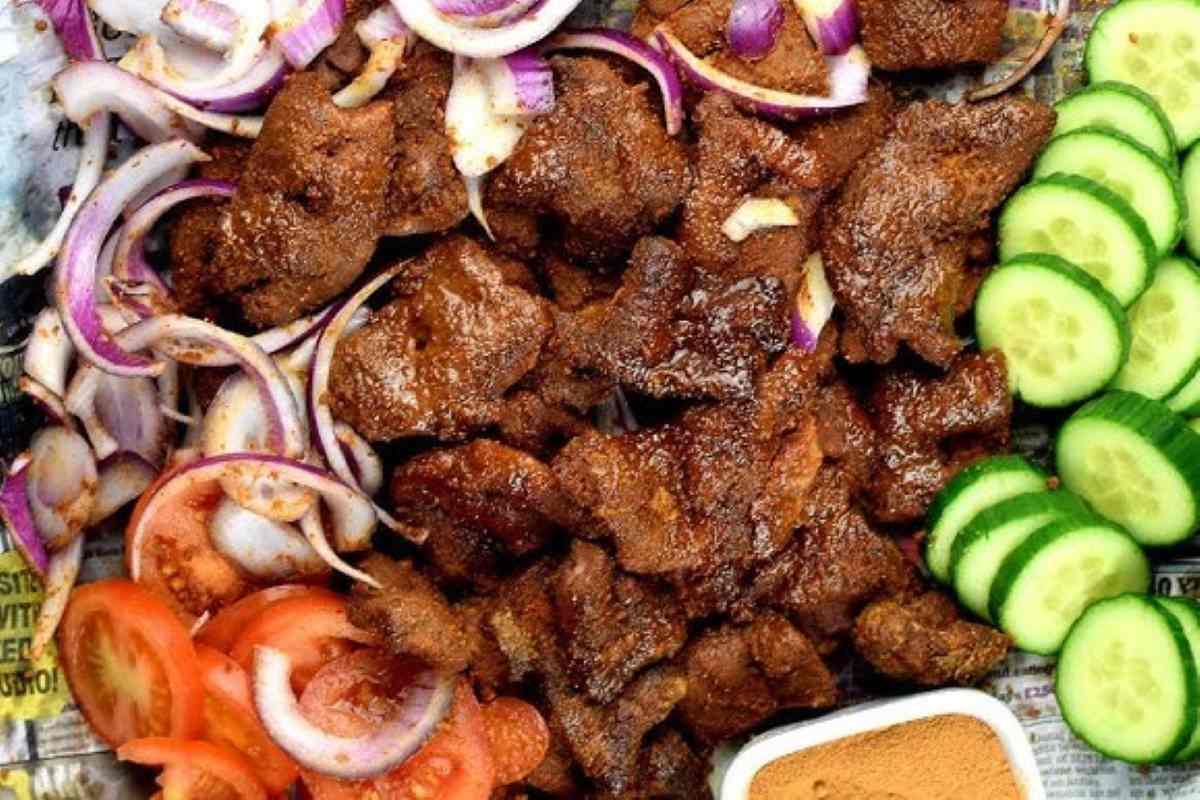
Recently, Chef Kawa Jay went viral on social media for his thriving Suya restaurant in Peckham. Hang in there for some back story. Chef Kawa is a Nigerian immigrant, and Suya is a popular street food in his homeland. However, he has managed to take that street food culture global through the power of social media.
Chef Kawa probably wouldn’t have made waves if he set up shop in Nigeria; everyone there is familiar with the food. Similarly, many cities are creating global flavors by exporting their street food to other parts of the globe.
To remain at par with local regulations while retaining cultural memory, more vendors are moving their street food business to food trucks. There you have your ‘upscale street food.’ The only challenge here is that the street food business, utilizing food trucks, is subtly displacing vendors from informal food economies.
Some local authorities are starting to realign with their street food culture. Consequently, regulators are encouraging street food festivals in such domains to put their culture back on the map.
Key Takeaway
The next time you walk past a food truck or street food vendor, remember that these informal businesses are not just feeding empty stomachs. Instead, they are writing the script of street food culture on the canvas of society.
ABOUT THE AUTHOR

Babatunde Olufemi is a food scientist, educator, and science-based food writer with academic and practical exposure to food processing, nutrition, food safety, and the global food industry. Through Quill of Grubs, he breaks down complex food science topics into clear, accessible explanations for everyday readers, students, and professionals.