






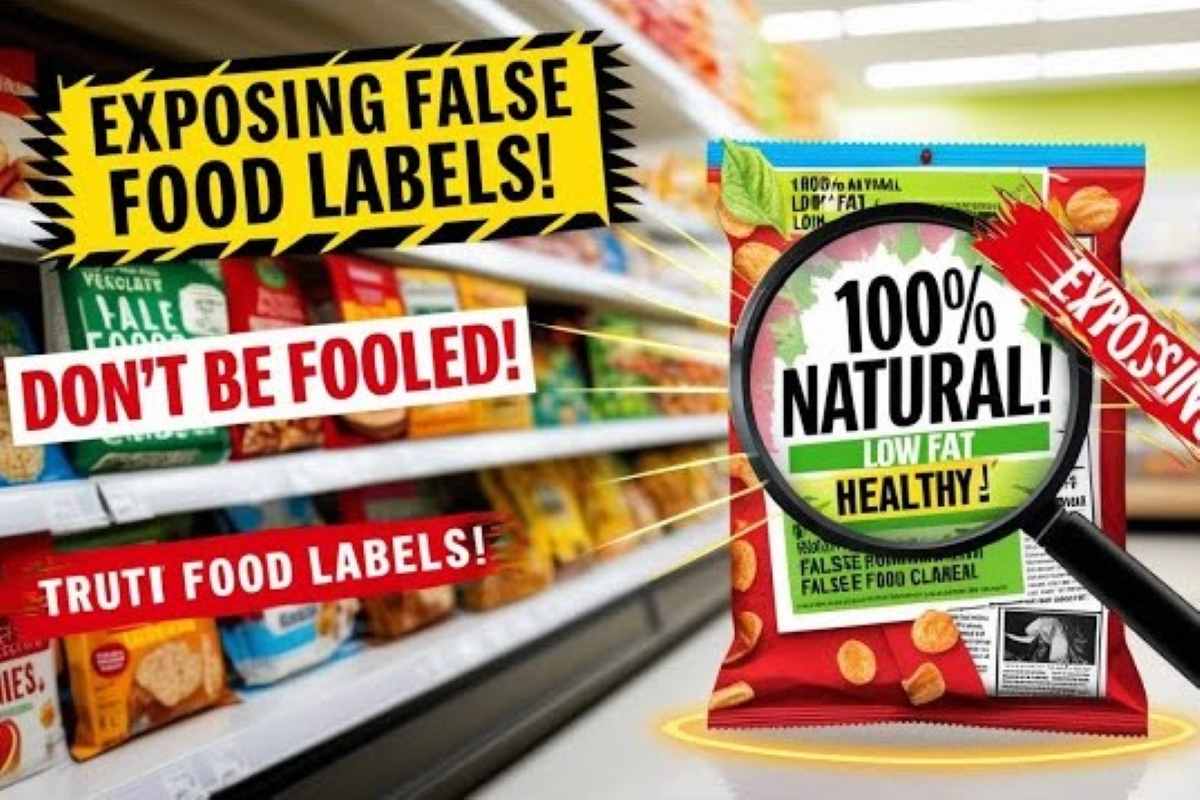
It is commonplace for grocery shoppers to opt for packaged foods with bold claims, even though most struggle with decoding food labels. Some bread loaves have ‘bromate-free’ boldly printed on the packaging material, and it won’t be surprising to see people buying without knowing its meaning. Similarly, most shoppers don’t know the legal implications of claims — ‘No Artificial Ingredients,’ ‘Clean,’ ‘Preservative-Free,’ ‘No Additives,’ ‘Natural’ — on items they buy every day.
Not all these terms are of consequence. For instance, some terms are completely unregulated and are largely marketing and sales-driving gimmicks. In some cases, the label terms may be industry-defined or loosely regulated. In most cases, it takes a food industry insider to identify which is which. Meanwhile, consumers are often left confused or even falsely confident.
The goal of this piece is to hone in on vague label terms. These terms will be demystified to snatch shoppers out of the technical limbo and help them make better buying decisions.
Why Food Labels Are So Confusing (and Sometimes Misleading)
Marketing teams are almost always on a company’s payroll to drive sales. In the food industry, some brands have managed to hack the system by using terms that sound healthy, but are of no consequence. Now, someone is reading this and wondering if that is even legal. Hang in there, as it will be addressed down the line.
‘Natural,’ on food labels, for example, has no official definition, as far as the US Food and Drug Administration (FDA) is concerned. Consequently, food companies can become acrobatic with how they deploy this term.
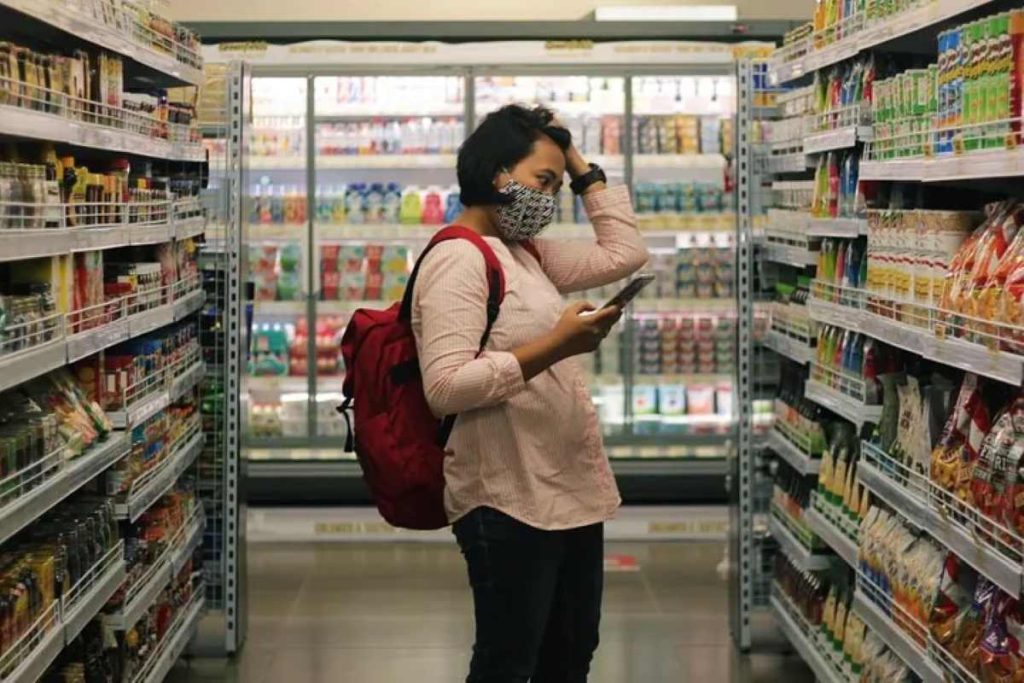
‘Clean label’ marketing is another ambiguous term that often causes confusion among shoppers. The FDA still provides some context for natural claim meaning, though it is not officially defined or strictly regulated. In contrast, the clean label trend has no regulatory stopper. Meanwhile, it keeps offering some brands a competitive sales advantage due to its ‘health halo’ effect.
Some manufacturers use food marketing psychology with non-explicit cues like imagery, font, or color. For instance, a food brand may lavish images of greenery on its packaging to subtly imply the product’s content is natural.
So, some of these misleading food packaging terms make it necessary to sensitize shoppers about food label loopholes.
ALSO READ: How Cross-Contamination Really Happens in Home Kitchens (Backed by Microbiology)
What ‘Natural’ Actually Means — and Why It’s Almost Always Misunderstood
The US Department of Agriculture (USDA) only endorses the use of ‘natural’ on meat and poultry products. In addition, the USDA only allows this claim when the product is minimally processed and contains zero artificial ingredients.
It is noteworthy that the USDA does not equate the natural claim meaning to sustainable farming practices. Also, the body’s endorsement of a product as ‘natural’ does not imply it is organic, or that it contains no antibiotics or hormones.
The USDA does not allow meat and poultry producers to label their product as natural without a green light from the regulator’s Food Safety and Inspection Service (FSIS).
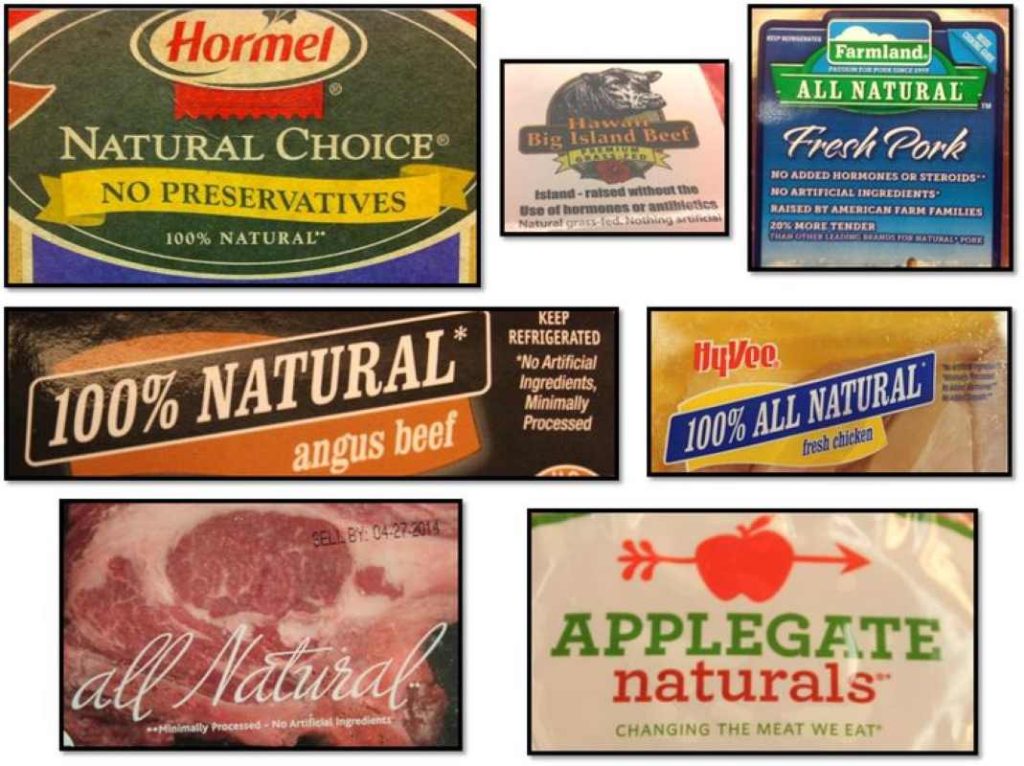
In contrast, the FDA handles ‘natural’ as one of its loosely regulated terms. If companies manage to avoid the use of artificial flavors, added color and similar synthetic substances, they can boldly invoke the ‘natural’ claim on the product label. It doesn’t matter if the ‘natural’ ingredients are unhealthy, used in inordinate amounts, or ultra-processed; the product can still be labelled as natural if the stipulated guidelines are followed. By implication, it is difficult for the FDA to enforce ‘natural’ food label meaning, since there is no official definition.
As a shopper, here’s your takeaway from the ‘natural’ claim meaning. Some food companies don’t practice label transparency, which will help customers in decoding food labels. For instance, a snack legibly labelled as ‘natural’ may contain refined oils, added sugar (which are, of course, natural), and may be highly processed. There you have it: ‘natural’ but far from healthy.
What ‘No Additives’ and ‘No Preservatives’ Really Mean
A few days before going for her last weekly grocery run, Natalie read an article titled: “Common Food Additives You Should Know About.” Since then, reading food labels has taken chunks of her time at grocery stores. If, like Natalie, you are particular about additives or preservatives present in your food, read this section to the end.
- No Additives: The ‘no additives’ claim on a food product does not mean additives are absent. Albeit, it means only natural additives, if any, are present in the food item. Common examples of such natural additives include enzymes, pectin, and citric acid.
- No Preservatives: This label means there are no preservatives present in the food product. Such products use high vinegar, sugar, or salt density, and, in some cases, ultra-processing, as natural means of preservation.
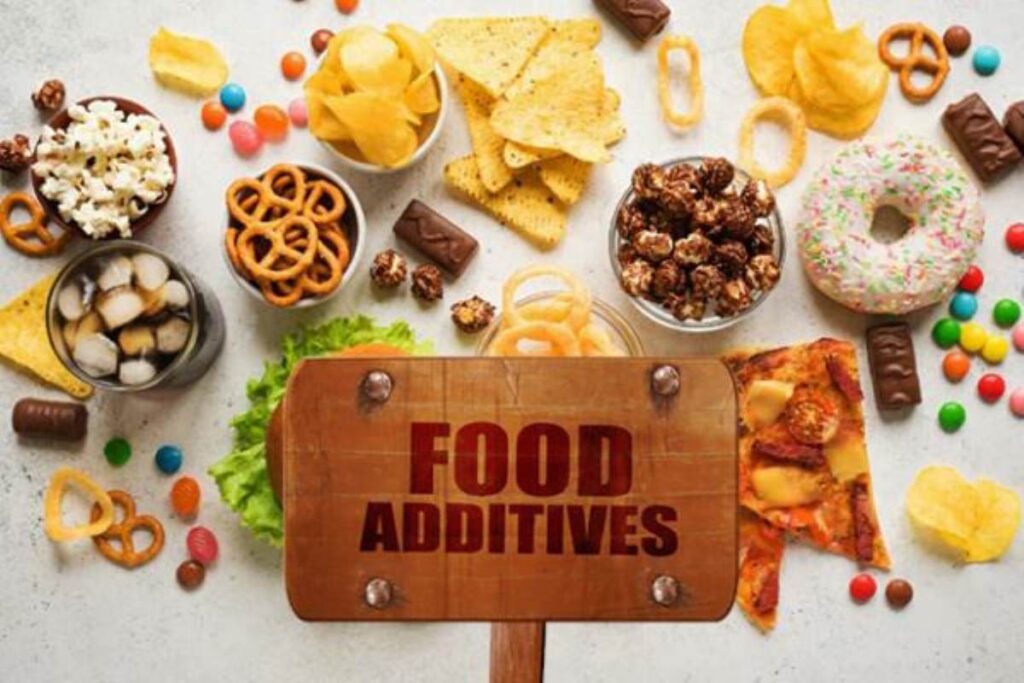
- Additive: Whenever you find a food product labelled as ‘Additive,’ it means it contains some added ingredient, in the regulatory context. Often, such ingredients are not general components like water. Instead, they serve a specific purpose and have been rigorously vetted by the FDA as safe for food formulation.
Interestingly, food companies sometimes exploit certain food label loopholes for this category of claims. For instance, if a food company uses a generally-regarded-as-safe (GRAS) ingredient, which contains preservatives, they may still be able to make additive-free claims on the product label. From a regulatory standpoint, declaring preservatives on the secondary product would not be label transparency but unnecessary repetition. Why? Well, because the vinegar manufacturer has already declared the use of preservatives on its own label. So, there’s the hack for decoding food labels with additive-free claims.
The Truth About ‘No Artificial Ingredients’
Across the US, several food companies are still trying to reformulate established products due to RFK Jr.’s recent crackdown on artificial ingredients. Now, how are shoppers to go about decoding food labels that claim they contain zero artificial ingredients?
Now, ‘no artificial ingredients’ is one of the many regulated marketing claims on packaging. However, this claim should not be misunderstood as a health claim. A food product can qualify, by regulatory standard, as containing ‘no artificial ingredients’ and still be highly processed or unhealthy.
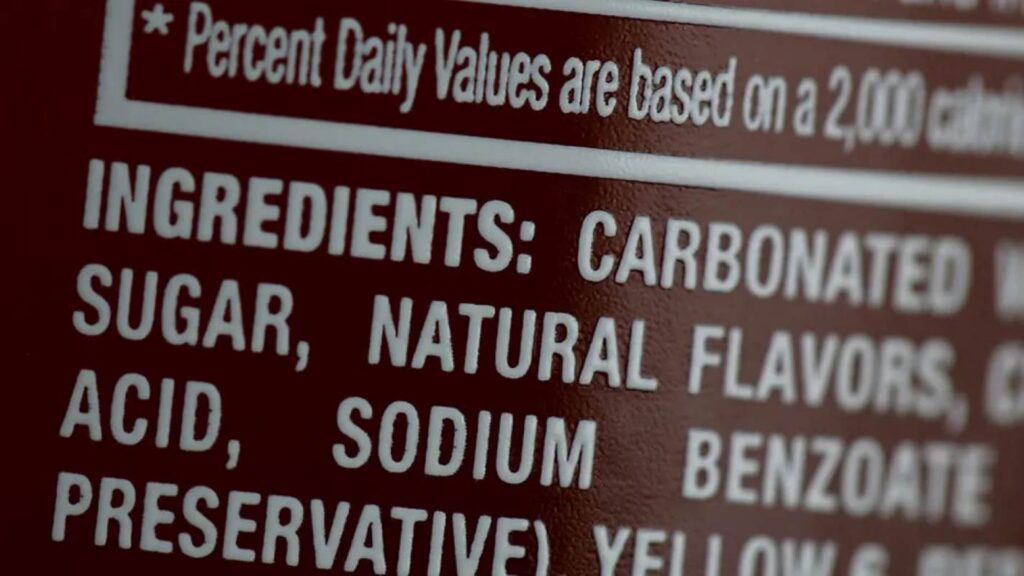
For instance, the natural flavors used in most food formulations are highly processed extracts. Similarly, due to the low yield and relatively small volume requirements, natural flavors often have to be made up with carriers, solvents and additives. Also, as far as flavor compounds are concerned, it may be pretty difficult to tell natural and artificial ones apart. This bottleneck exists because most time, the chemical makeup of flavor compounds from both natural and artificial sources may be similar.
‘Clean,’ ‘Wholesome,’ ‘Pure,’ and Other Unregulated Terms
‘Pure honey,’ ‘Wholesome meal,’ ‘Clean veggies’: some countries have zero regulatory definitions for these claims. So, some manufacturers deploy these marketing claims on packaging as food marketing psychology. Due to the lack of regulatory definitions, these processing claims are subjective and open-ended.
Often, the perception of the purity and wholesomeness of food products is relative and subject to the whims of consumers. In the absence of regulatory gatekeeping, some food brands use packaging tricks as affirmation for some claims. For instance, they package food items with Kraft paper and tout it as eco-friendly, irrespective of the actual product’s quality.
ALSO READ: 5 Real Reasons Why Ultra-Processed Foods Dominate Our Diets
How to Read Labels Like a Food Scientist (Simple Rules)
After all that has been said, shoppers may still long for actionable tips for decoding food labels. So, the following quick pointers should serve as a veritable food labeling guide:
- Ignore the glossy print and imagery at the front, flip to the back.
- Check the ingredient list length; being short does not make it necessarily better. So, check what the list captures.
- Recognize and understand the purpose of common additives like citric acid, lecithin, ascorbic acid, etc.
- Try to decipher the level of processing the product underwent, not just ingredients.
- Watch out for alternative sugars: syrups, juice concentrates, maltodextrin.
- Understand that ‘organic’ does not translate to additive-free.
- Endeavor to read beyond the label: what it’s subtly not saying.
- ‘Made with whole grains’ could contain just 10% of whole grains.
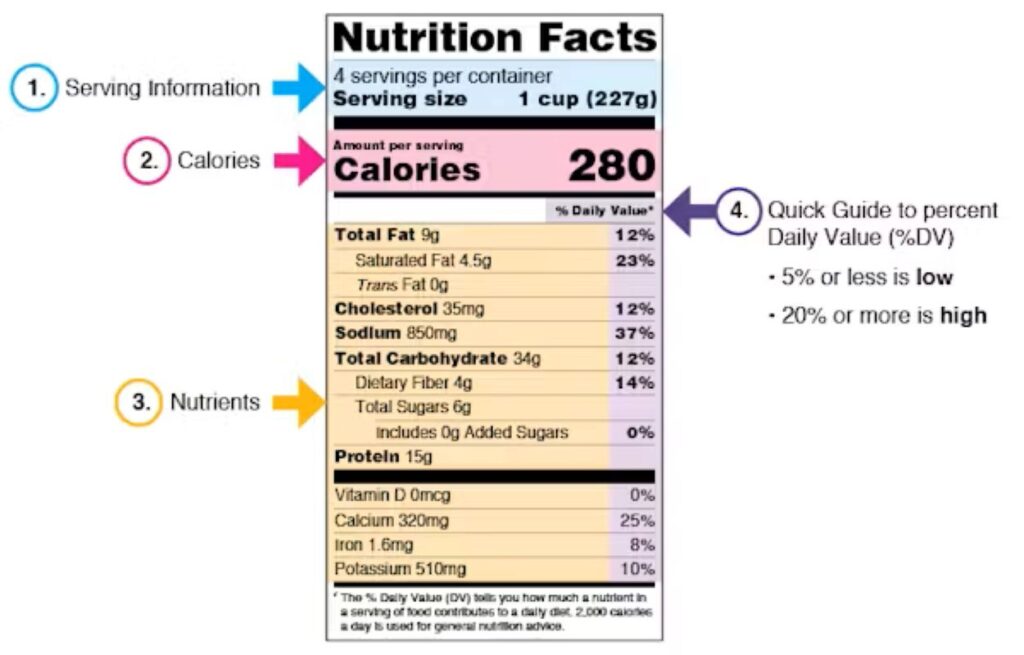
In an age where food companies are trying to win the health-conscious market share, decoding food labels is becoming more confusing. Brands and their marketing teams are taking advantage of all the unregulated claims in the books. However, it is still possible for consumers to confidently navigate these forks in the road of grocery buying decisions. With a fair understanding of regulatory definitions and a pinch of skepticism, you can buy the best food items.
If the front of the package is the sales pitch, the back is the truth.
ABOUT THE AUTHOR

Babatunde Olufemi is a food scientist, educator, and science-based food writer with academic and practical exposure to food processing, nutrition, food safety, and the global food industry. Through Quill of Grubs, he breaks down complex food science topics into clear, accessible explanations for everyday readers, students, and professionals.