








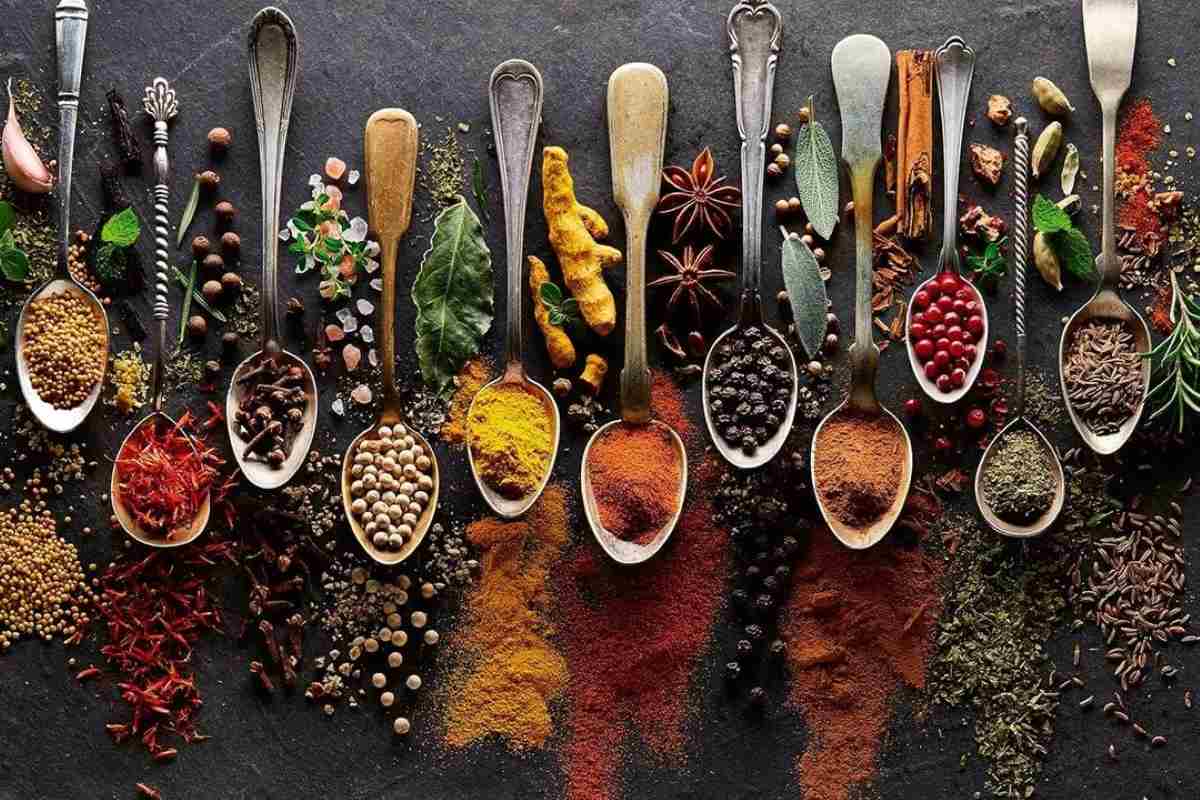
Try out some homemade seasoning blends once, and you may never buy condiments from stores again. Store-bought seasonings are undeniably convenient to use. However, shoppers are often restricted to just a handful of options. By ideating a personalized seasoning blend, it becomes possible to tweak the flavor of dishes in unfathomable ways. At the onset, gourmet seasoning blending may seem expensive, but you are likely to save costs in the long run.
The idea of manipulating seasoning blends brings us to the concept of ‘flavor lab.’ This concept permits unfettered interactions between basic food science and experimental cooking.
This piece will unravel scientifically-informed principles for crafting seasoning blends. It will also discuss how volatility, flavor pairing, and aroma synergy help you craft DIY spice blends.
The Science Behind Great Seasoning Blends
Flavor chemistry is the scientific concept that helps understand how myriad tastes and aromas interact to deliver great sensory experiences during meals. The most popular spices around are classified as such because they are rich in aromatic compounds, like phenols and aldehydes. These compounds are often volatile, making the spice have a strong odor. In addition, aromatic compounds are often sensitive to heat and readily dissolve in fat. When you perceive the alluring odor of cooking, at the porch and before stepping into the house, it’s largely thanks to aromatic compounds in the meal being prepared.
Fresh or even dried herbs confer freshness during cooking thanks to organic bioactive compounds like terpenes. Some common herbs used for cooking are mint and eucalyptus. So, while herbs confer freshness, spices add depth to dishes.

Flavor science has it that the herb-spice synergy makes seasoning blends work. Basically, this means that some of the volatile compounds and aromatic oils complement one another in seasoning blends, relative to using spices or herbs in isolation. The idea of flavor pairing in itself is what makes homemade seasoning blends a thing.
However, it is important to note that the quality and intensity of seasoning blends transcend the number of ingredients that go into their making. It is equally important to pay attention to grind size and roasting methods for some seasoning ingredients. Some herbs are most flavorful when milled into fine powder, and some herbs need to be roasted to concentrate their aromatic oils. In contrast, some seasoning ingredients, like bay leaves, only need drying with minimal heat to preserve the volatile compounds.
So, understanding the ingredients going into your seasoning blends is key to nailing great custom spice mixes.
ALSO READ: Why We Love Crunch: The Science Behind Perfectly Crispy Foods
Understanding Your “Flavor Families”
Another factor to consider when creating homemade seasoning blends is the basis for mixing spices. It is often advisable to break the seasoning blend into recognizable categories of ‘flavor families.” The following are some great seasoning blend categories, which you could use as is or tweak to your taste.
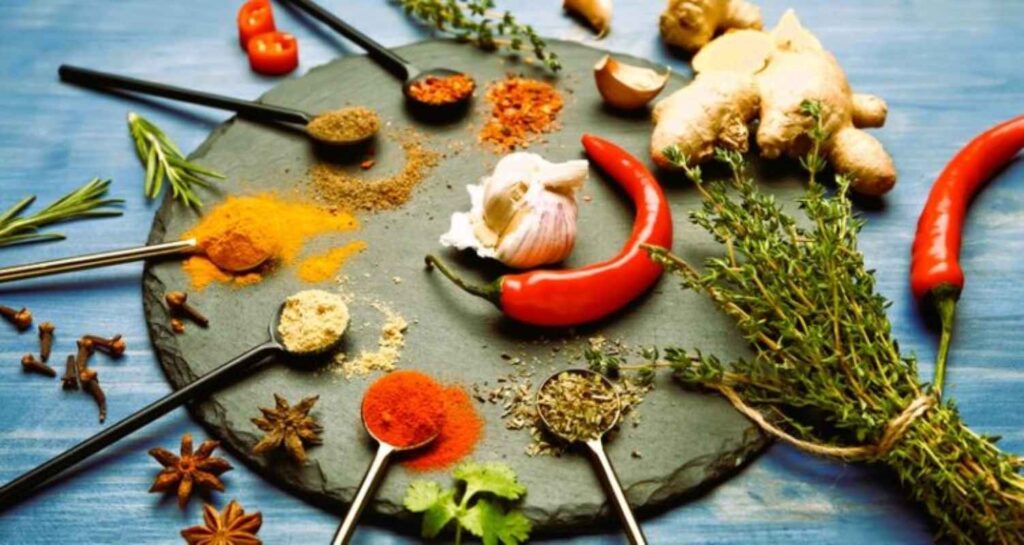
1. Umami Boosters
This flavor family is often used to add body, richness and depth to dishes. So, you can create a seasoning blend in this category by mixing two or more of the following items: dried tomato, nutritional yeast, mushroom powder, seaweed, meat broth and stock, aged cheese, etc.
2. Warm Spices
This flavor family includes spices like cumin, coriander, and cinnamon. These spices are rightly referred to as warm spices due to the subtle sweetness, depth, and earthiness they confer on global cuisines.
3. Heat Notes
As the name implies, these are spices and herbs that make dishes hot to various degrees. Chili flakes, black pepper, and cayenne fit snugly into this family.
4. Herbal Layer
Herbs like rosemary, thyme, oregano, and parsley are regular suspects in this seasoning category. Like the other categories, you can prepare the seasoning in blends or isolation.
5. Savory Base
This category consists of seasoning ingredients like smoked paprika, onion, and garlic.
A proper understanding of these categories is the building block of homemade seasoning blends.
Start with Simple Templates (Science-Backed Ratios) Before Graduating to Signature Blends
This section will serve as a guide on how to make seasoning. Nobody was born a spice chemistry expert. So, most of the folks who are great at making homemade seasoning blends mostly learned through trial and error. Fortunately, some of these folks documented the seasoning ratios that gave rise to some of their best herb-spice blends.
Below are some easy-to-tweak DIY frameworks for the making of seasoning blends at home.
- Herbaceous Mediterranean Mix: 2 parts oregano + 1 part thyme + 1 part basil + 1 part garlic + hint of lemon zest (dried)
- Smoky BBQ Rub: 2 parts smoked paprika + 1 part brown sugar + 1 part cumin + 1 part chili + 1 part mustard powder
- All-Purpose Blend: 2 parts garlic + 2 parts onion + 1 part paprika + 1 part black pepper + 1 part thyme
If what you want is a signature seasoning blend, you can simply follow the algorithm that birthed the earlier recommended template. The following steps will make your gourmet season blends possible:
- Pick a base ingredient (one with a gateway note)
- Support this with two spices, herbs, or a spice-herb combination
- Include an enigmatic ingredient like fennel seed, citrus zest, or cocoa powder
- Run small batches (½ teaspoon ratios) of the blend before producing the batch for storage or sale
- Use taste, color, and aroma to tweak the pilot blends
Spice chemistry proves that the seasoning blend templates highlighted above work because of the herb-spice synergy they encourage. For instance, the combination of onion and garlic in the all-purpose blend is great for impacting umami in dishes, thanks to their glutamate content.
How Toasting and Grinding Change Flavor (Micro-Scale Chemistry)
One of the biggest tricks of expert connoisseurs of seasoning blends is the subtle nuances they introduce through toasting. Toasting of seasoning ingredients, to enhance nutty aromas, is more of an art than a science. Also, just as the size of coffee grounds affects the brew quality, so does the grinding of homemade seasoning blends. Grinding aid for faster release of aromatic oils and other flavor compounds.
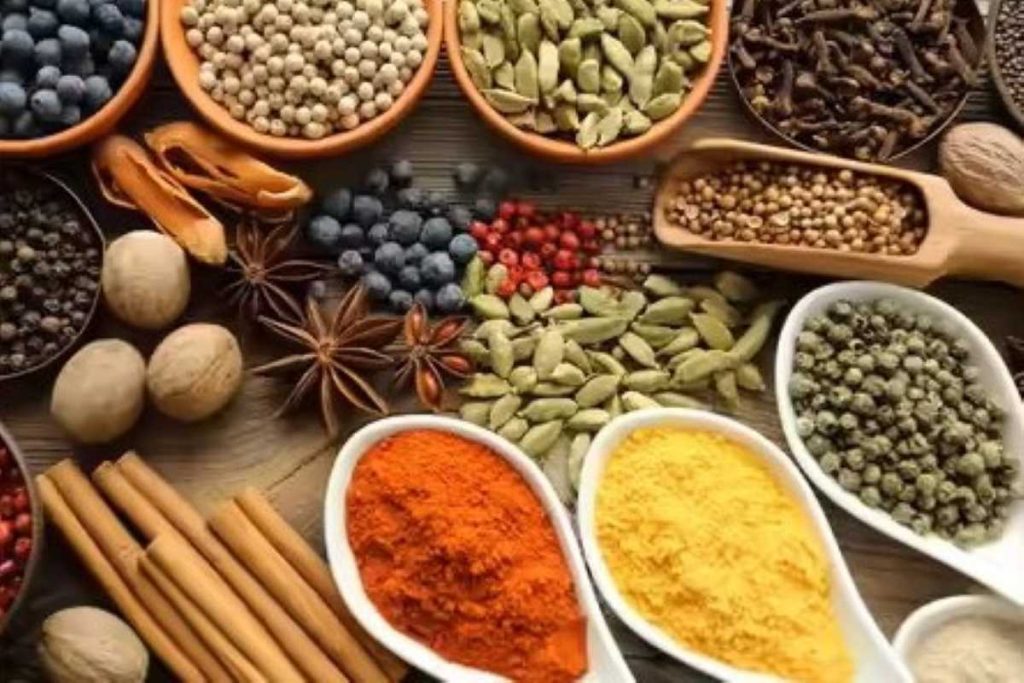
While toasting is beneficial to the quality of seasoning blends, it also has to be done with care. It is important to toast with mild heat, as overdoing it will destroy volatile oils in the seasoning blend. Who wants a bland seasoning, one without the signature aroma?
Toast, cool, grind, mix and store and your homemade seasoning blends are on standby for those exotic and odoriferous meals.
ALSO READ: How Cross-Contamination Really Happens in Home Kitchens (Backed by Microbiology)
Storage and Shelf-Life Tips for Homemade Seasoning Blends
It is going to be a bitter experience if you deploy a lot of resources into producing a great seasoning blend and it goes bad after one week. So, this piece will provide you with science-backed tips on the storage of gourmet seasoning.
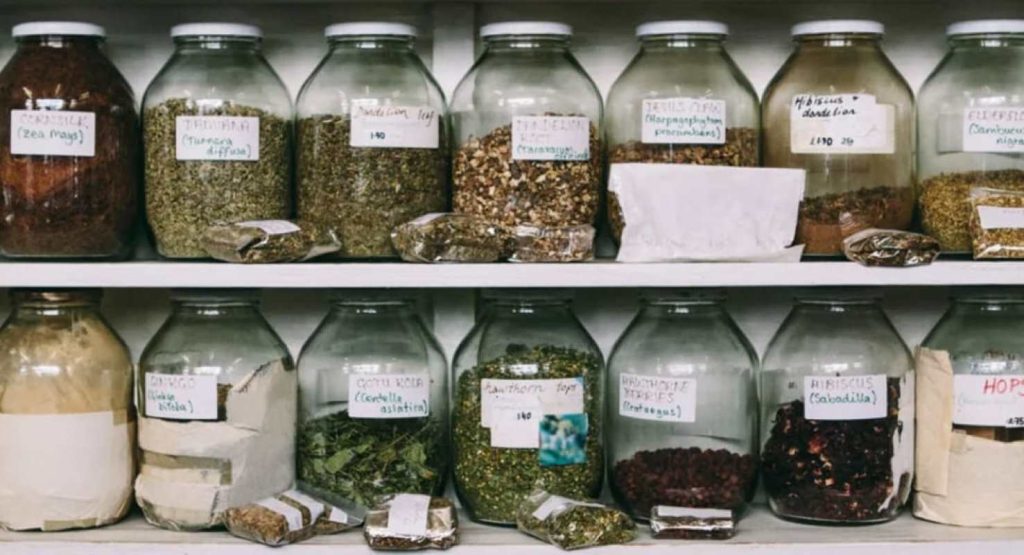
- Label each jar with the blend formula and its production date. Doing this helps you replicate that exact blend after the jar’s content is exhausted.
- Use airtight glass containers; avoid plastic. This protects the seasoning ground against moisture absorption and keeps the volatile compounds from escaping.
- Produce seasoning blends in small batches that can be exhausted soon. Whole herbs or spices keep longer than ground seasoning blends.
- Heat and light degrade essential oils, which are lavishly present in seasoning blends. Keep your sealed seasoning blends in dark and cool parts of the pantry, or in kitchen drawers that meet that requirement.
With a little experimentation and understanding of flavor chemistry, anyone can become a “flavor alchemist” in their own kitchen.
ABOUT THE AUTHOR

Babatunde Olufemi is a food scientist, educator, and science-based food writer with academic and practical exposure to food processing, nutrition, food safety, and the global food industry. Through Quill of Grubs, he breaks down complex food science topics into clear, accessible explanations for everyday readers, students, and professionals.